LOOKSMETER · GTA 6 INK & AESTHETICS
GTA 6 tattoo styles & placements: the 360-degree harmony guide
From Vice City old-school flash and Japanese sleeves to heavy blackout, radial mandalas, and throat ink, every GTA 6 tattoo style reshapes how your physique and facial structure read. Here is how each style pairs with neck, chest, hand, sleeve, and face placements, and how it holds up on real skin.
GTA 6 tattoo stencils & color flash
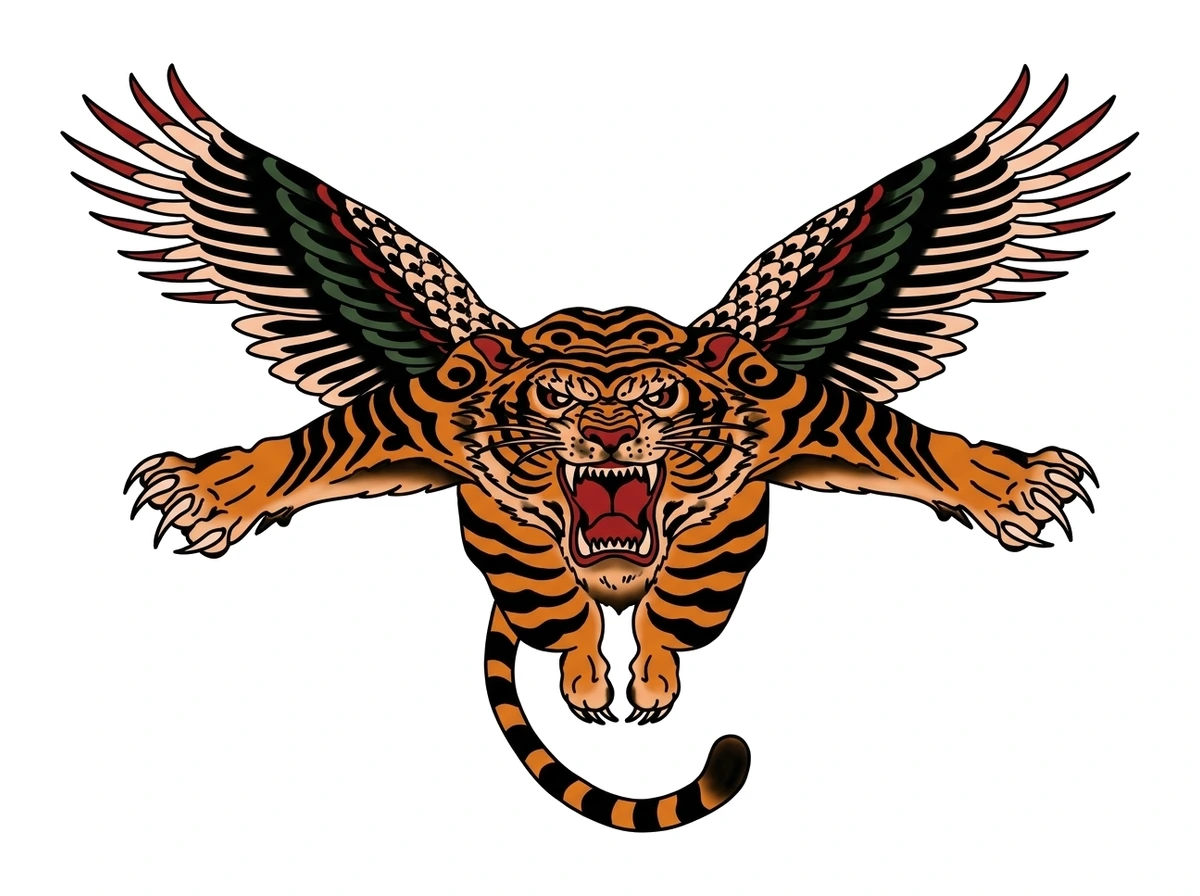
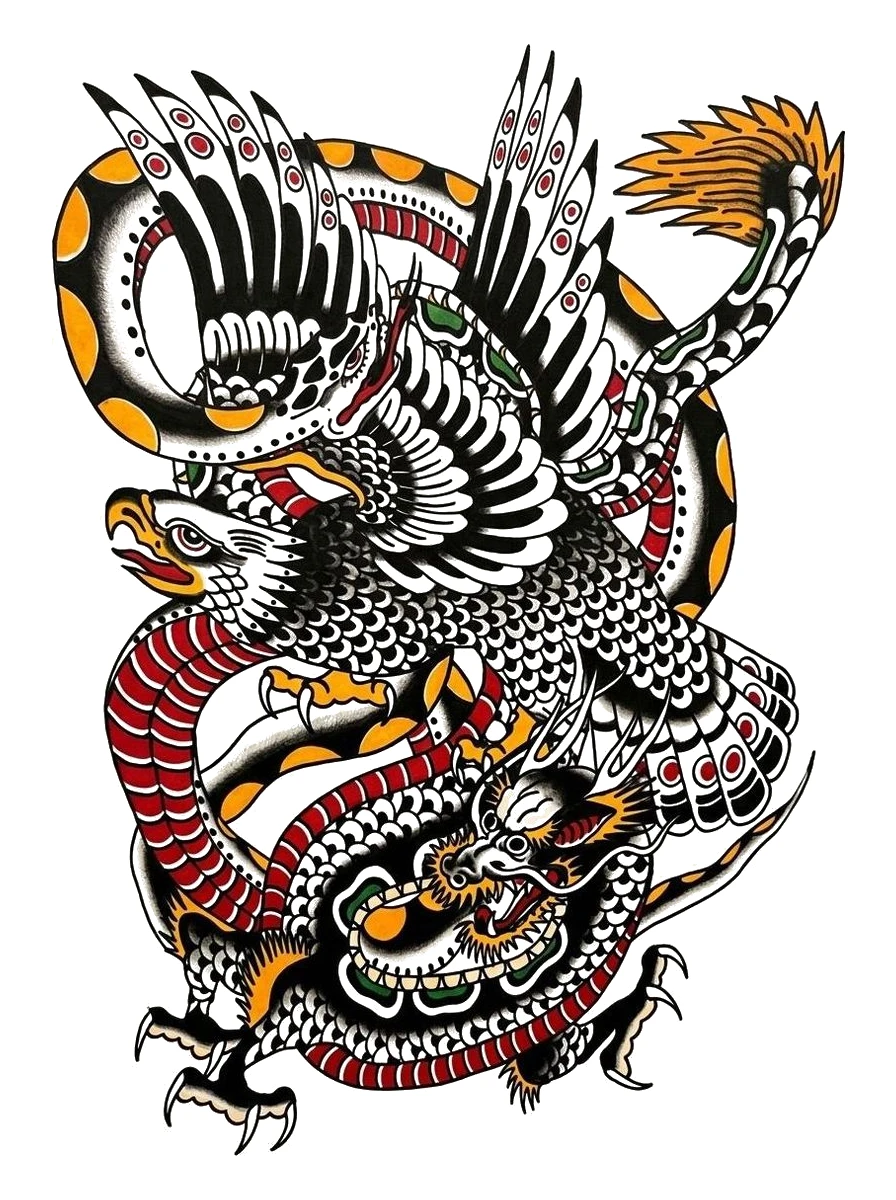
179 designs · Back pieces first · Tap any tattoo to zoom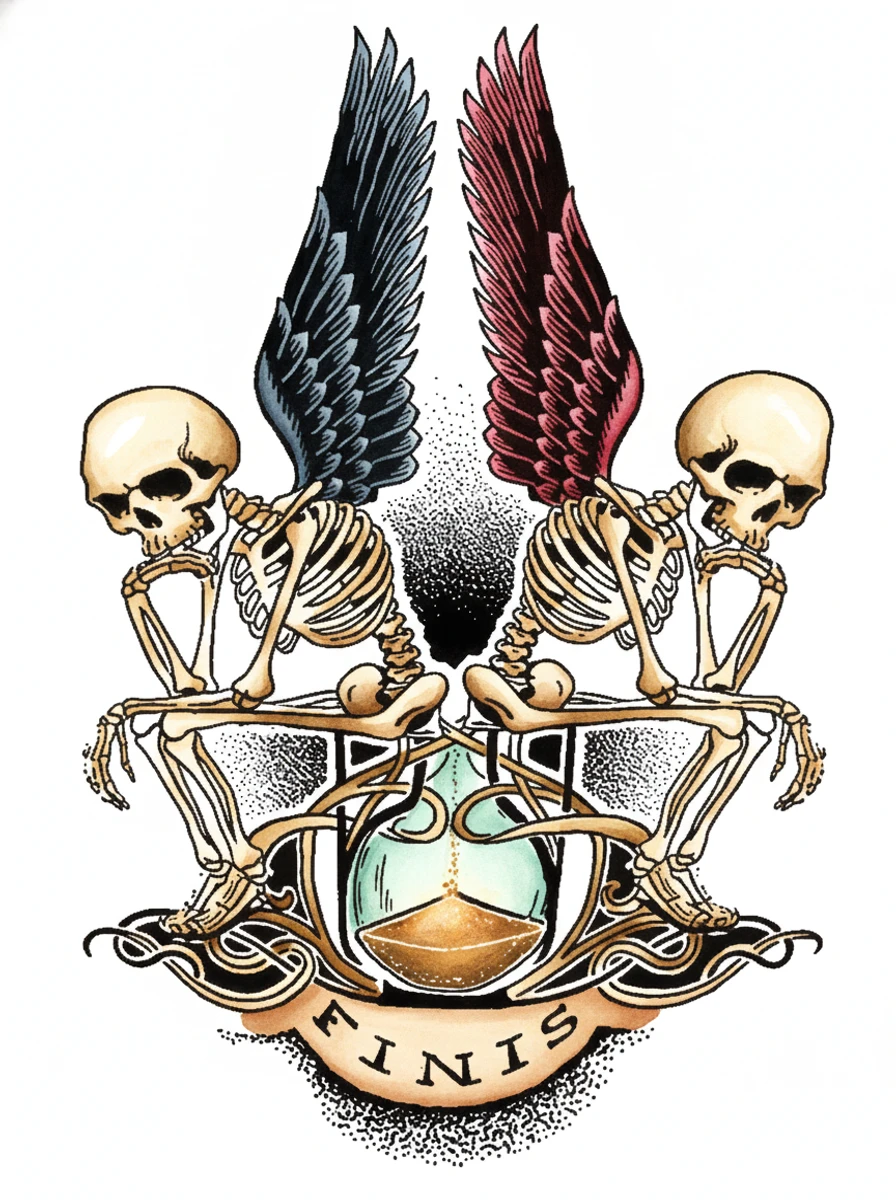
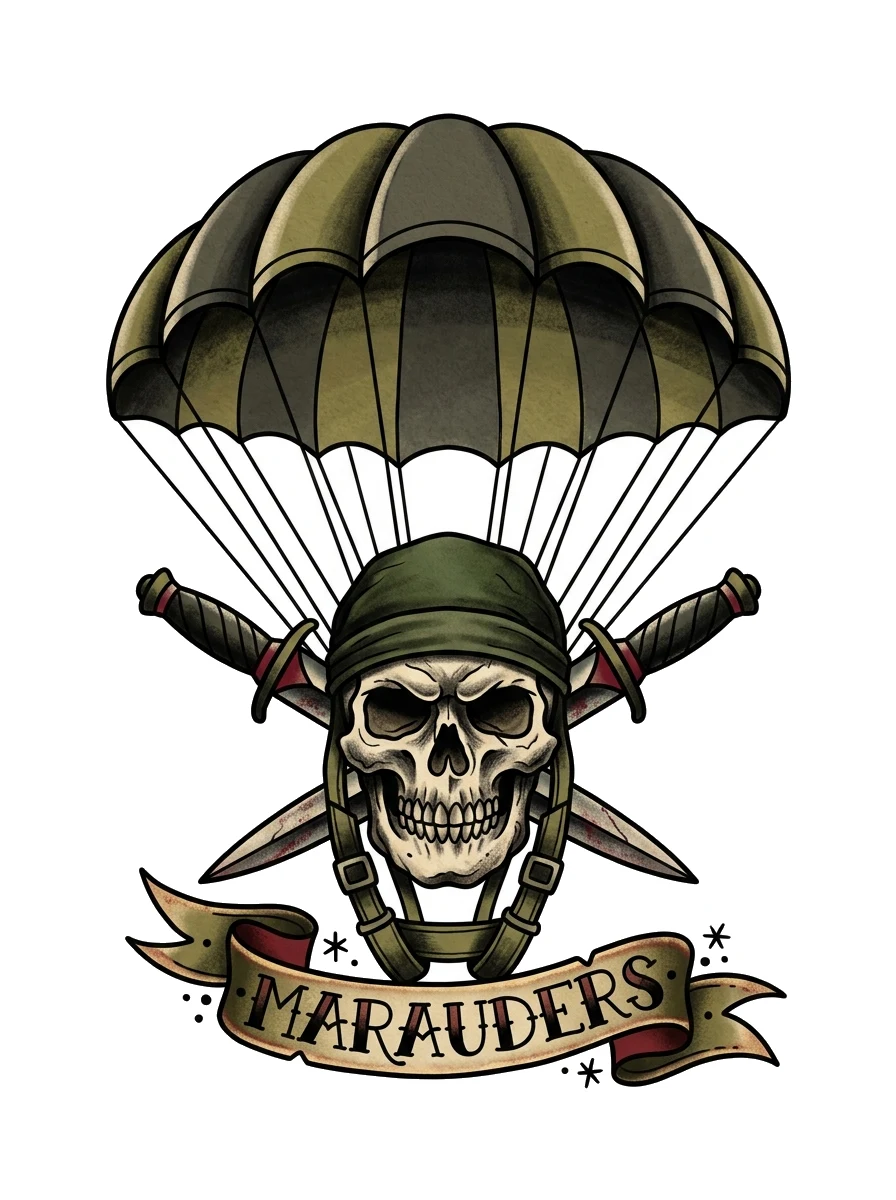
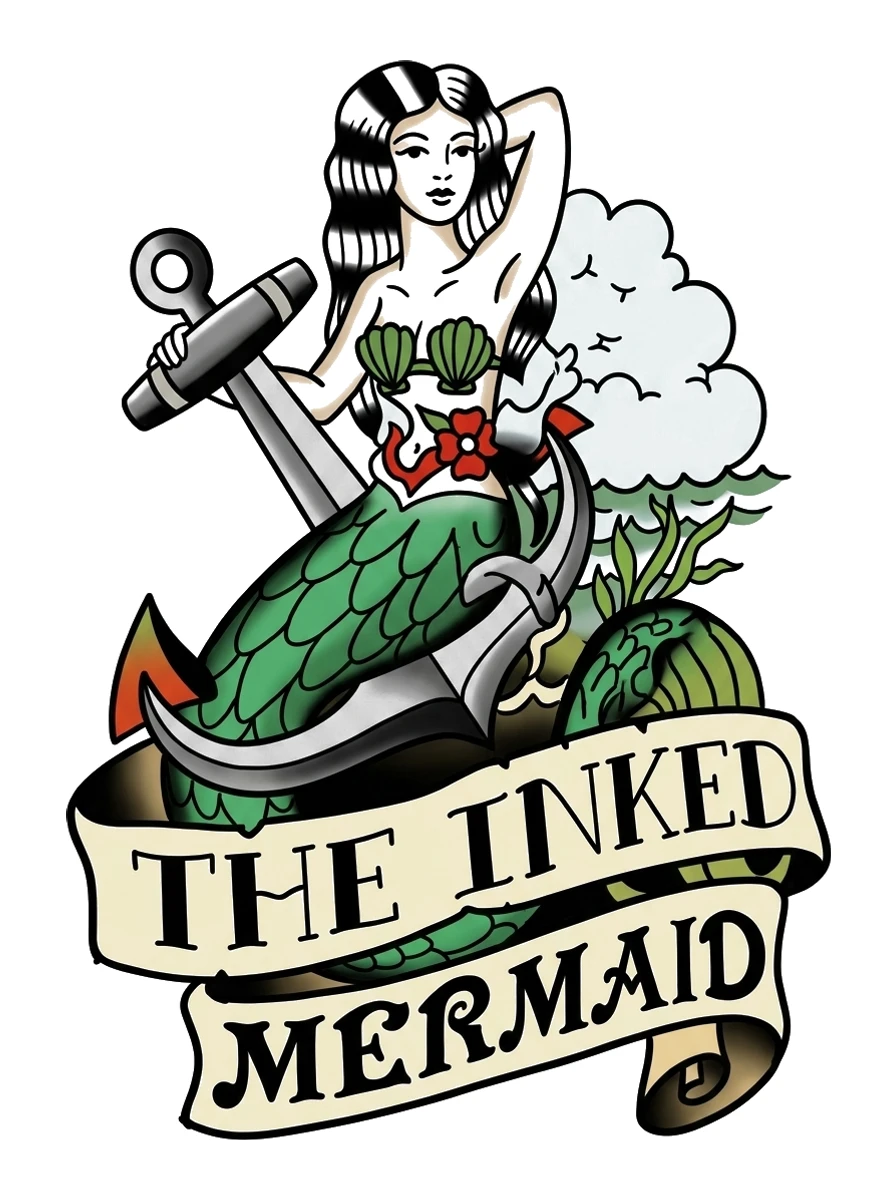
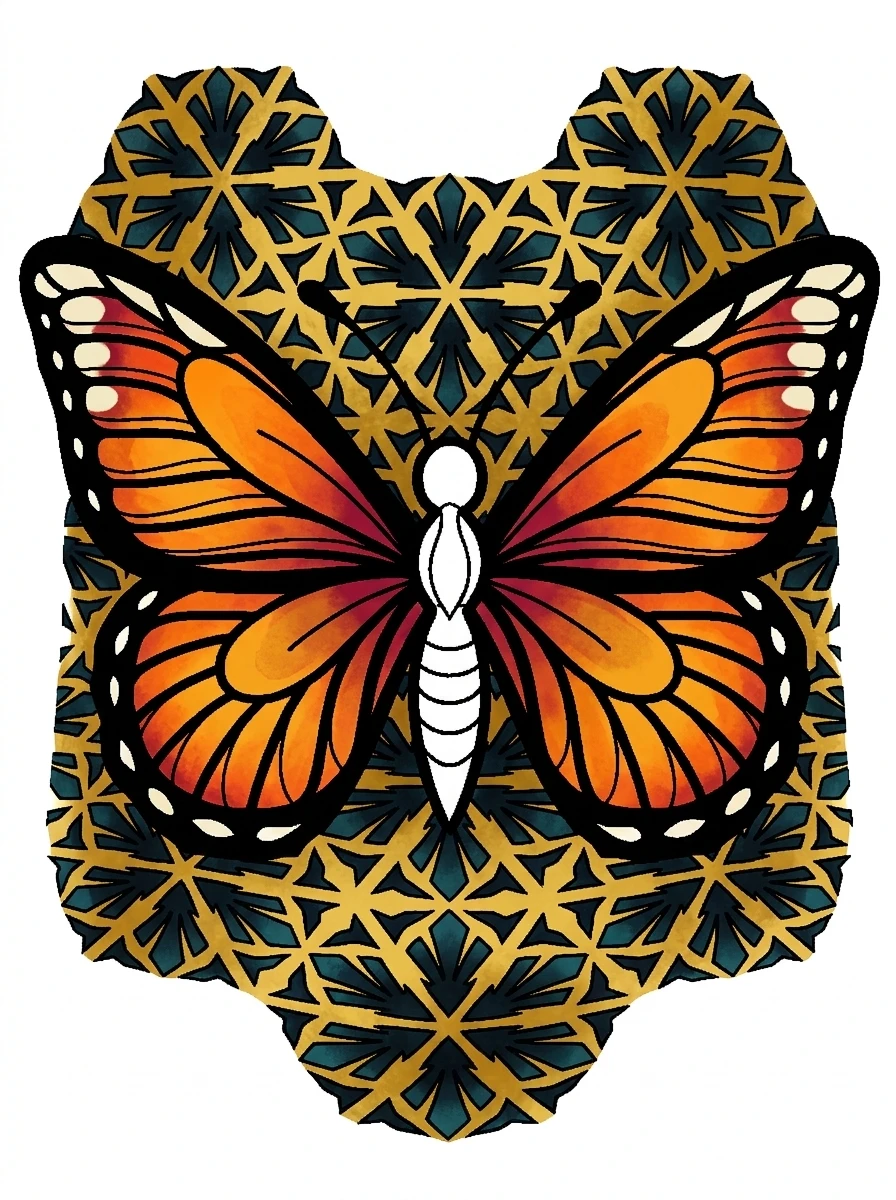
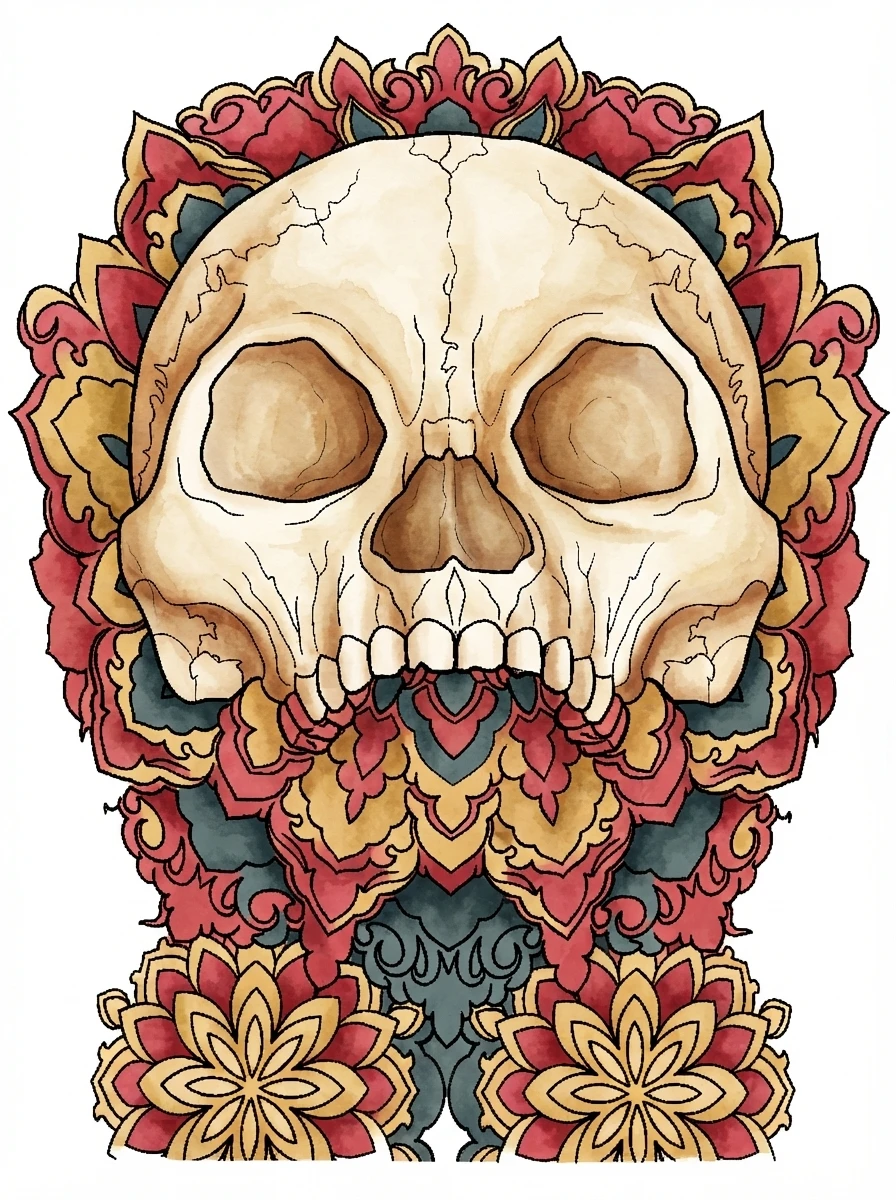
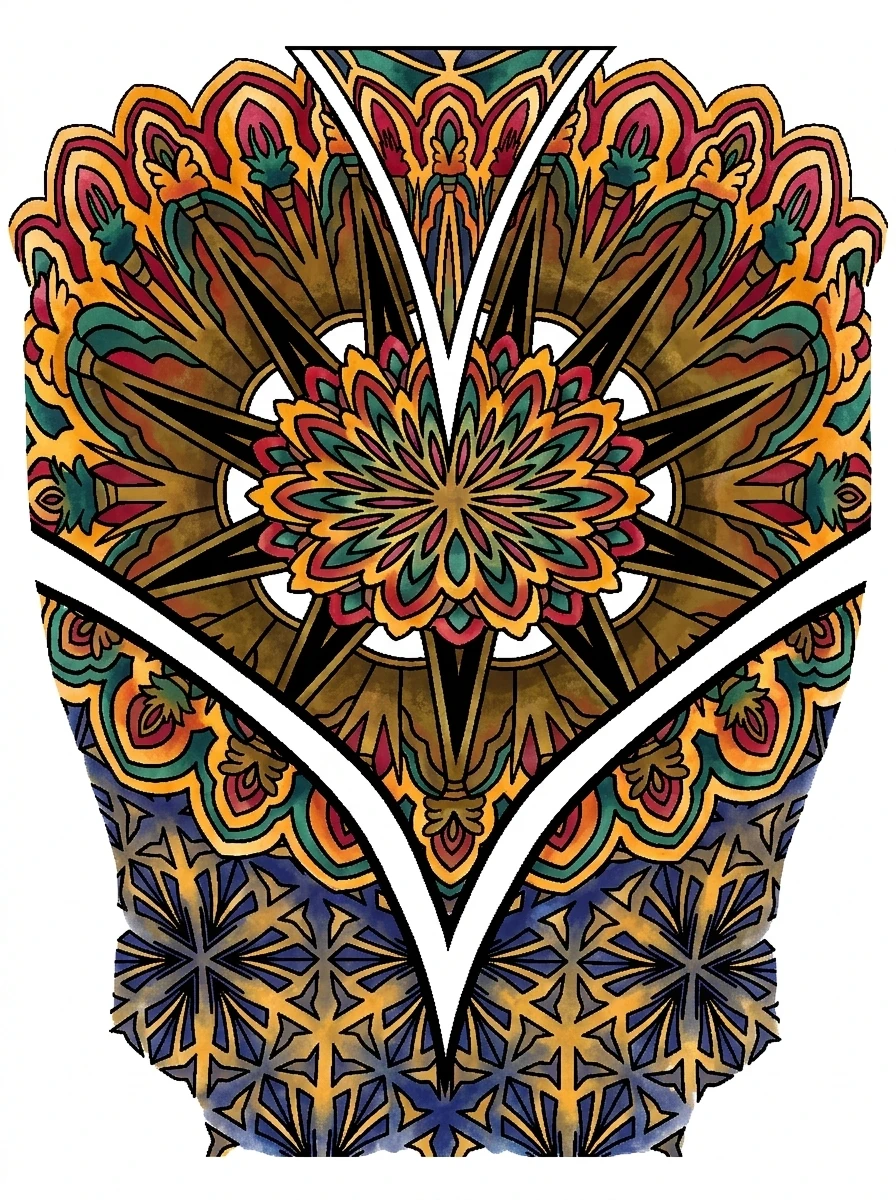
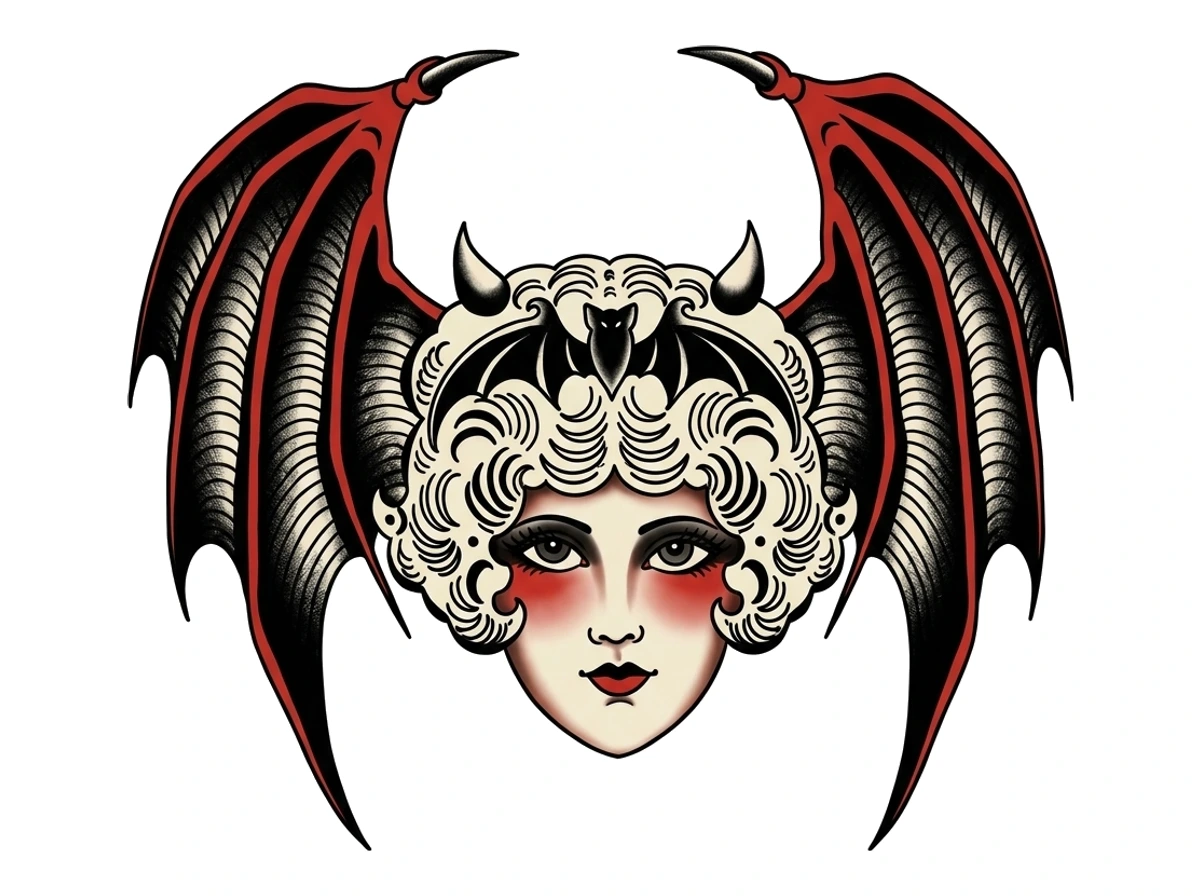
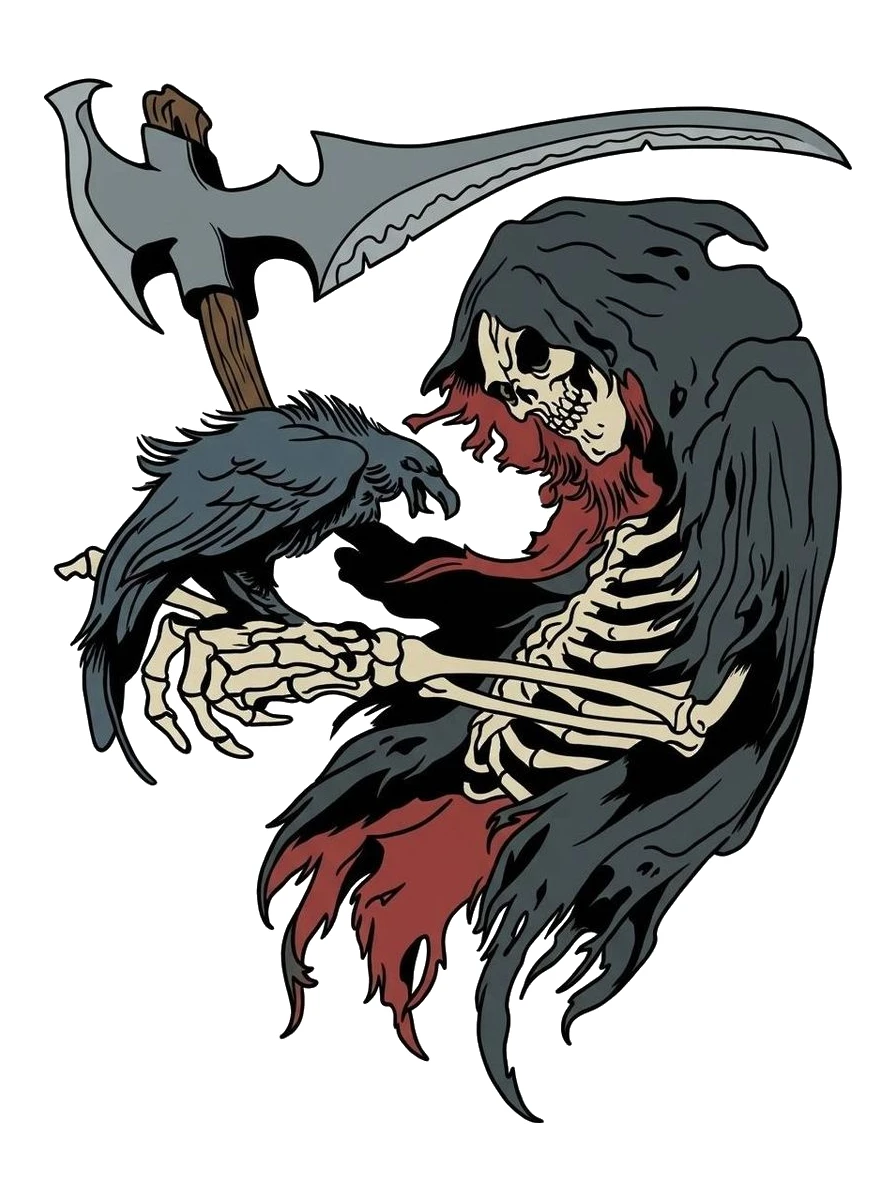
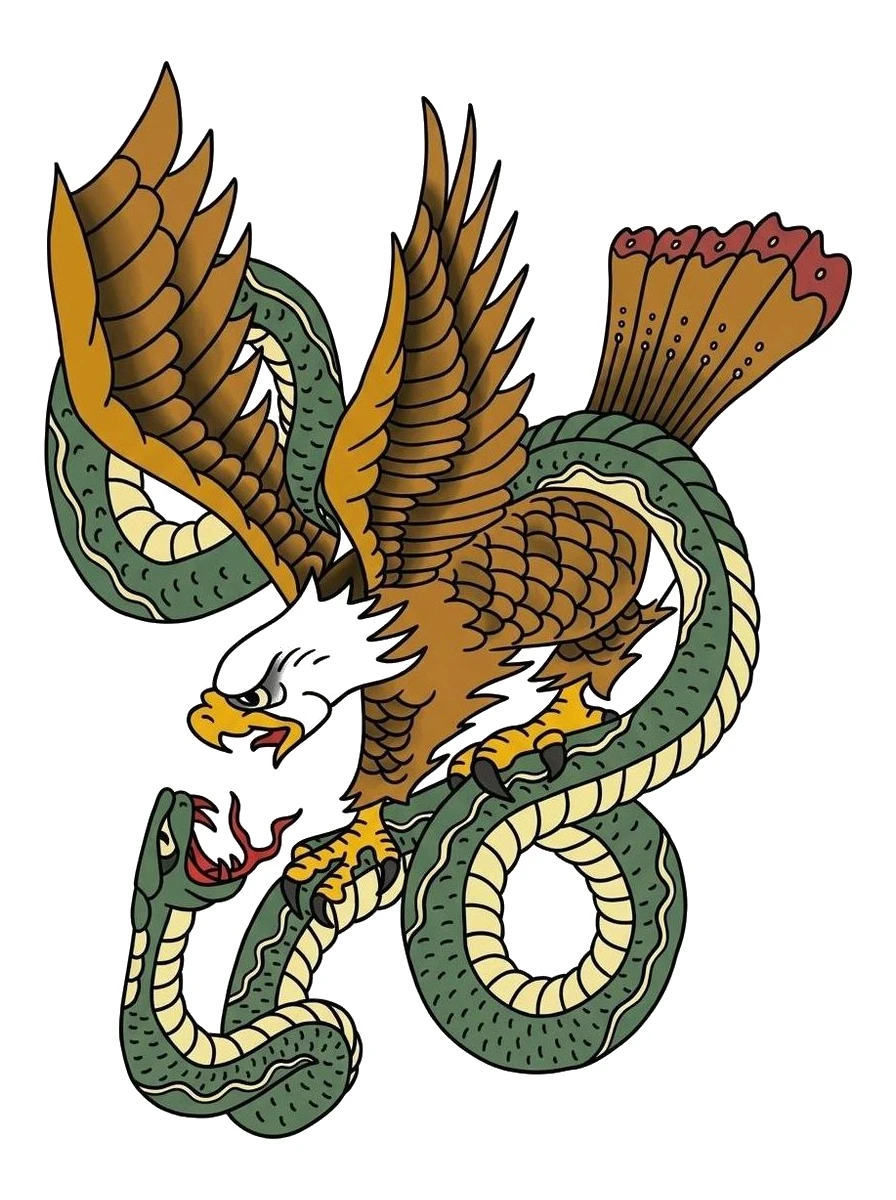
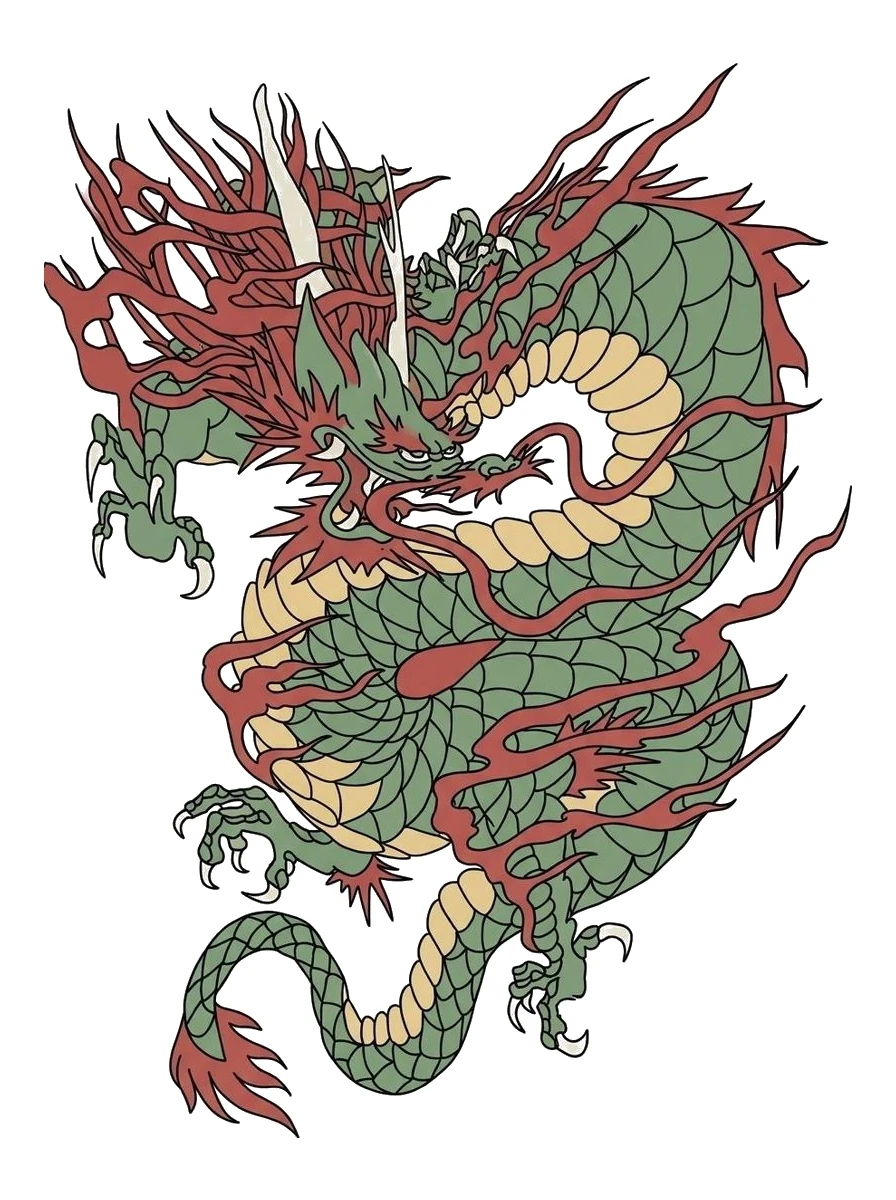
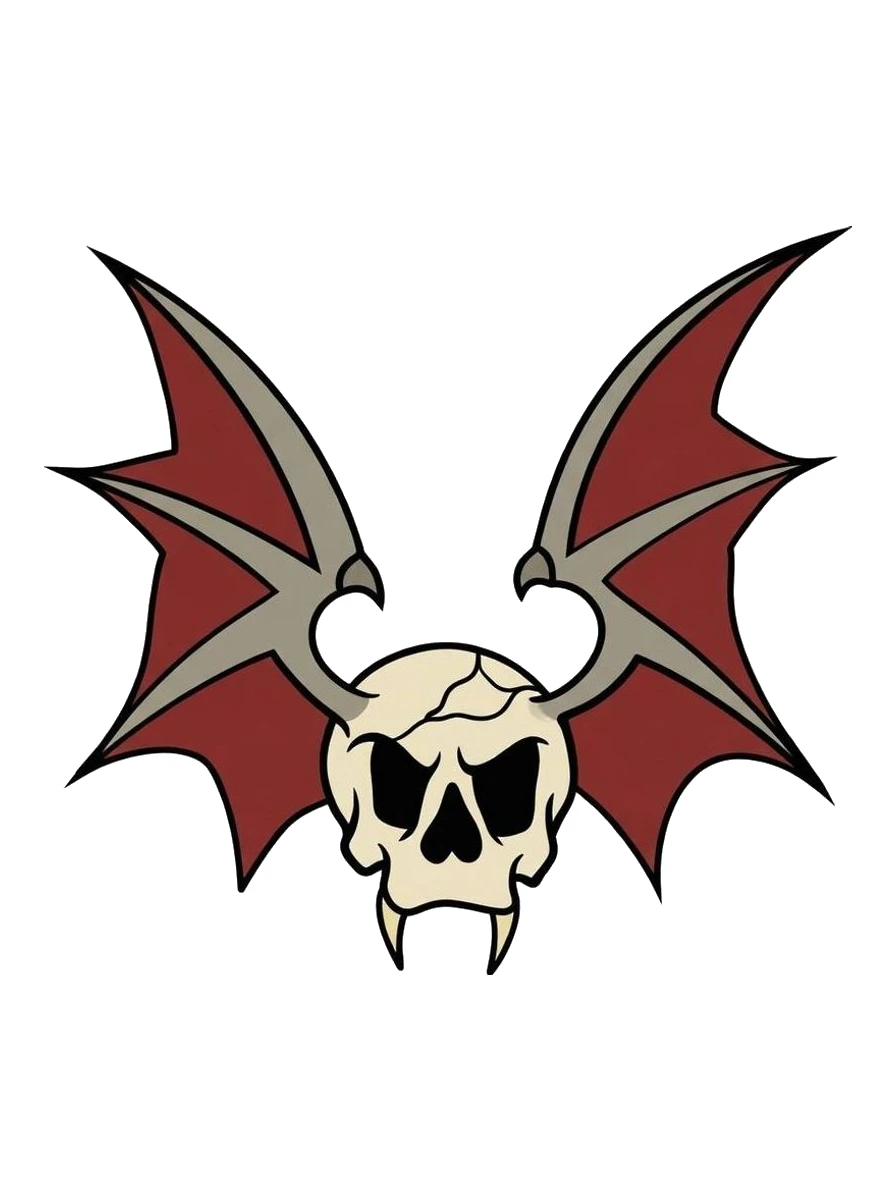
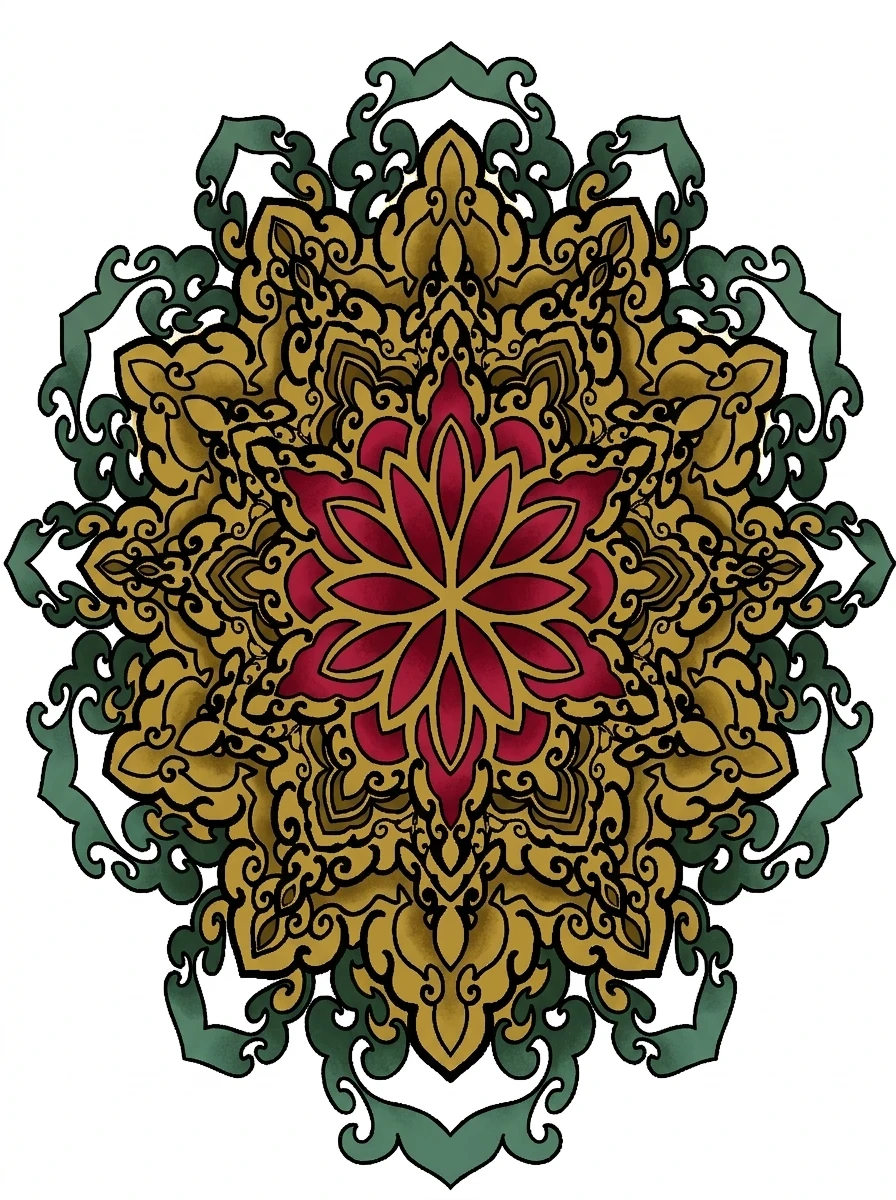
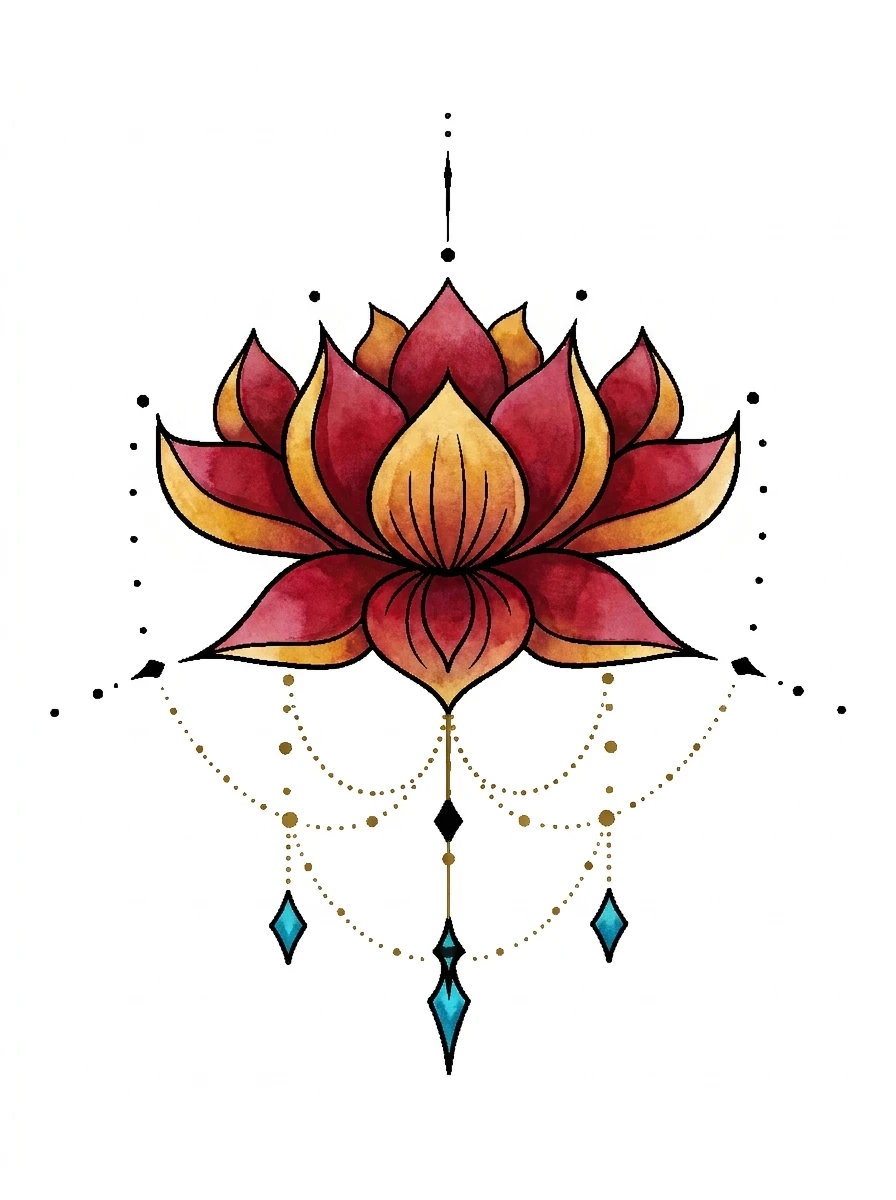
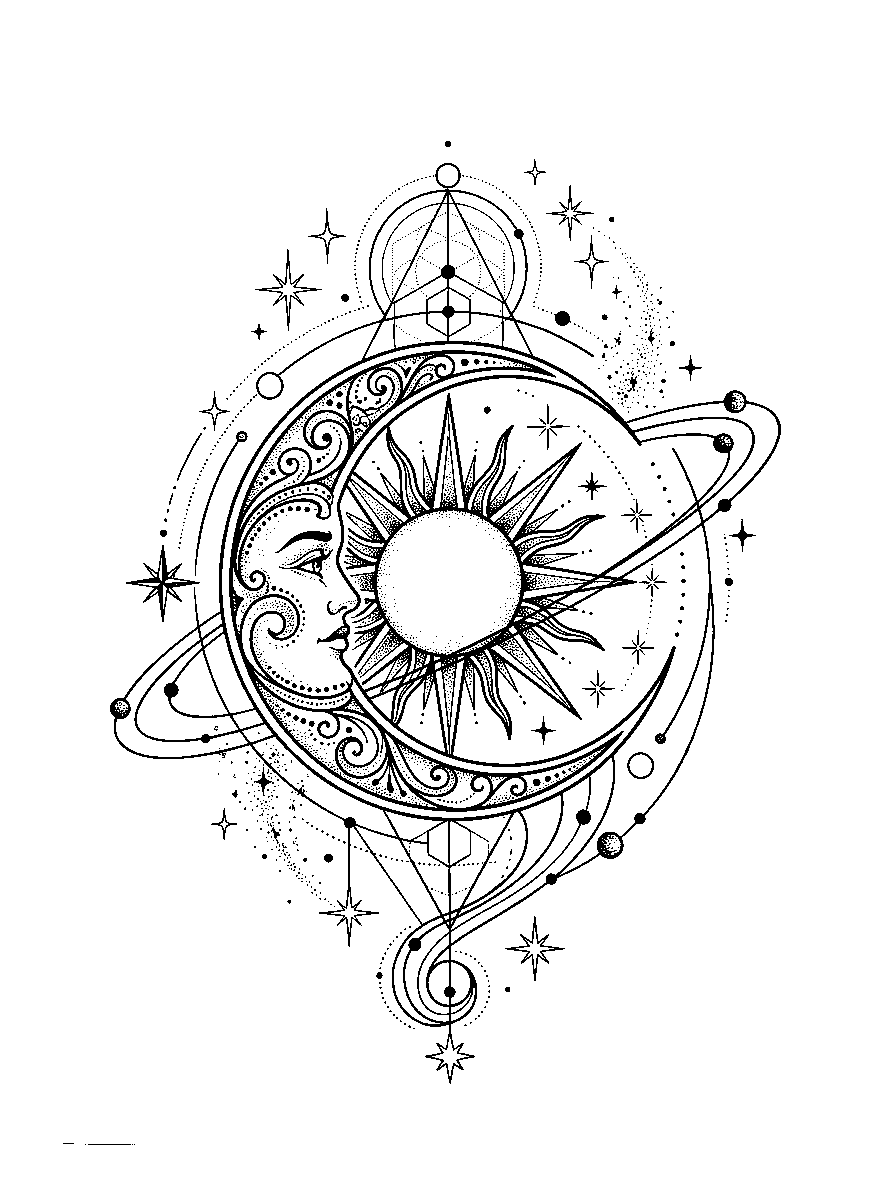
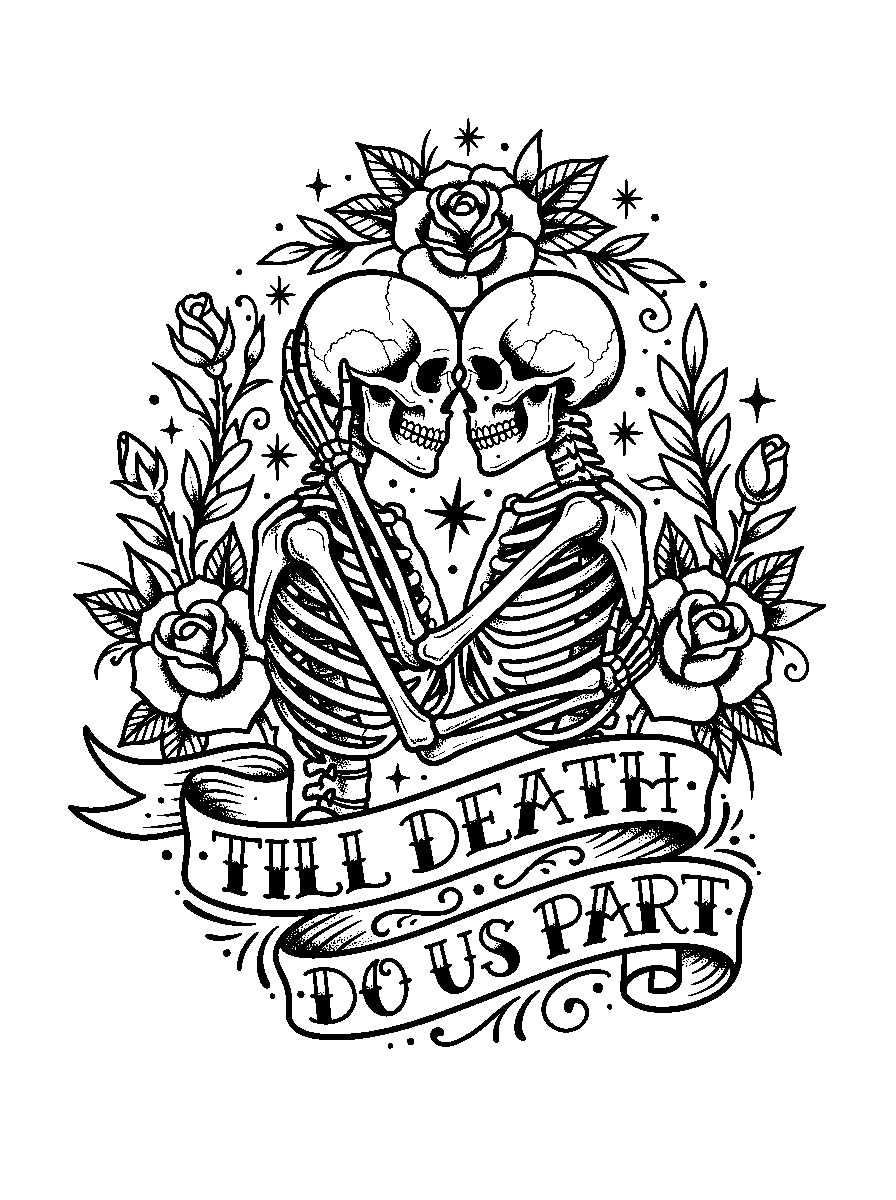
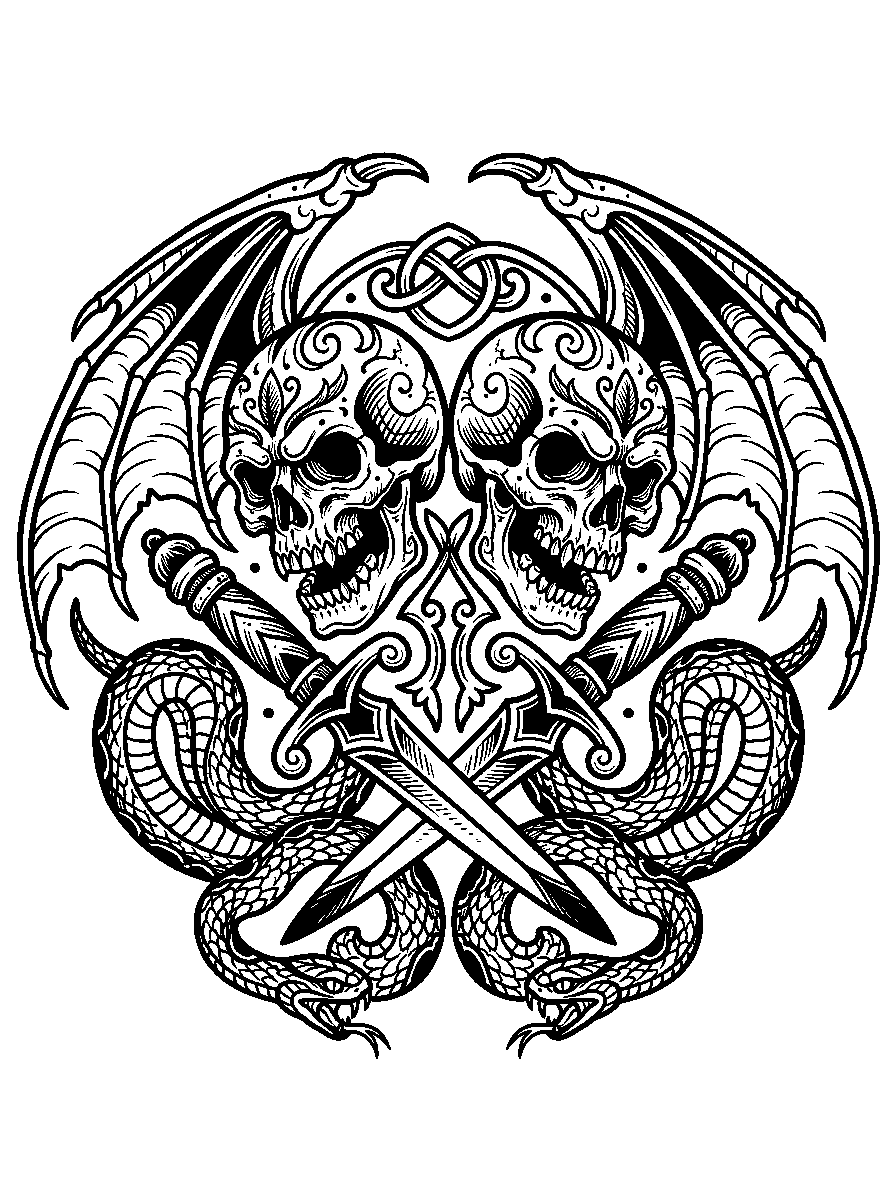
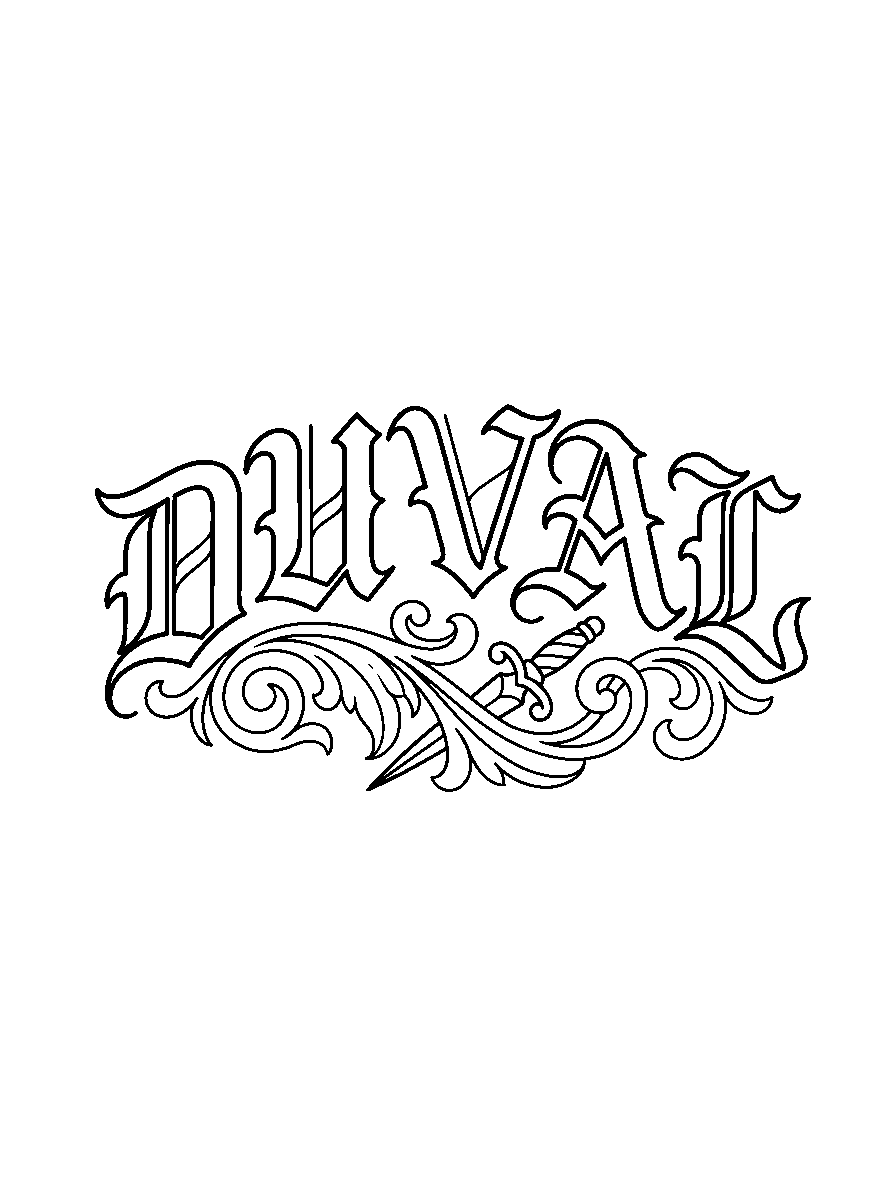
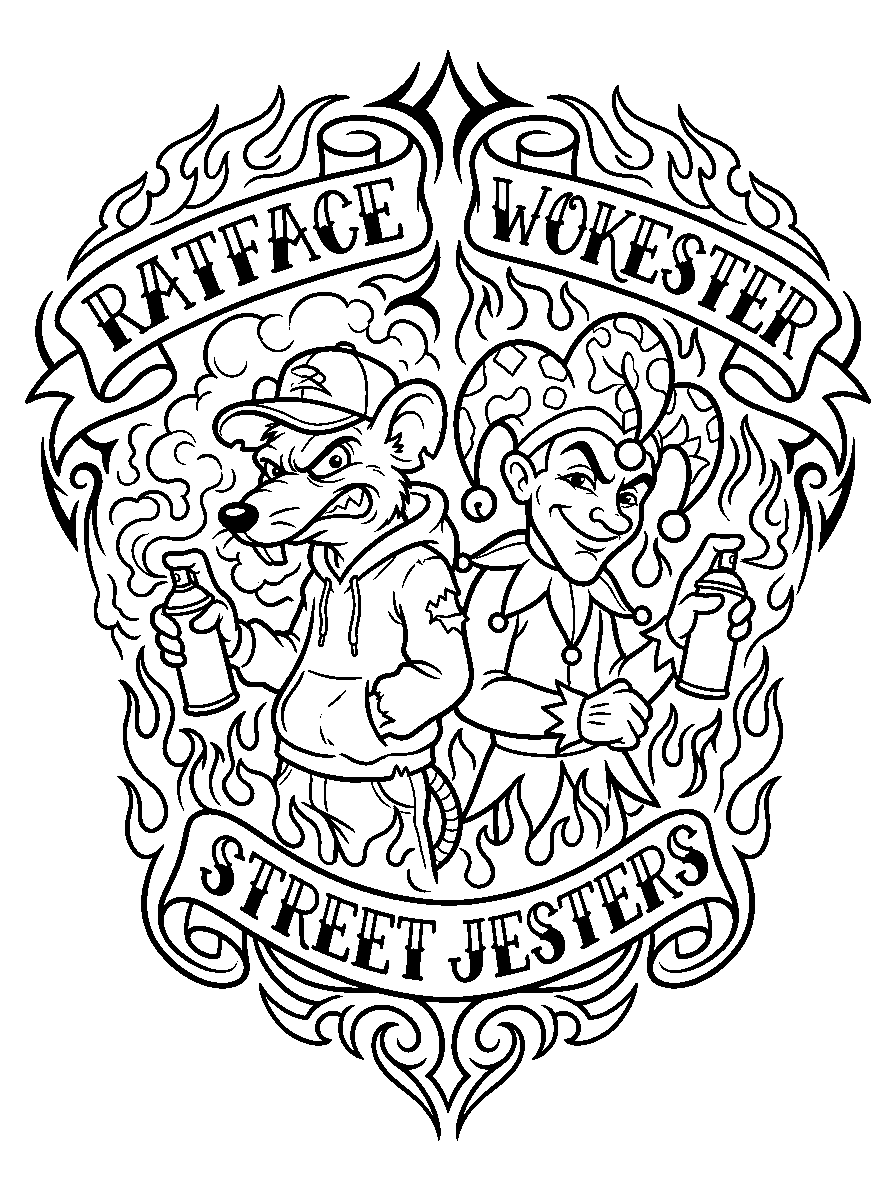
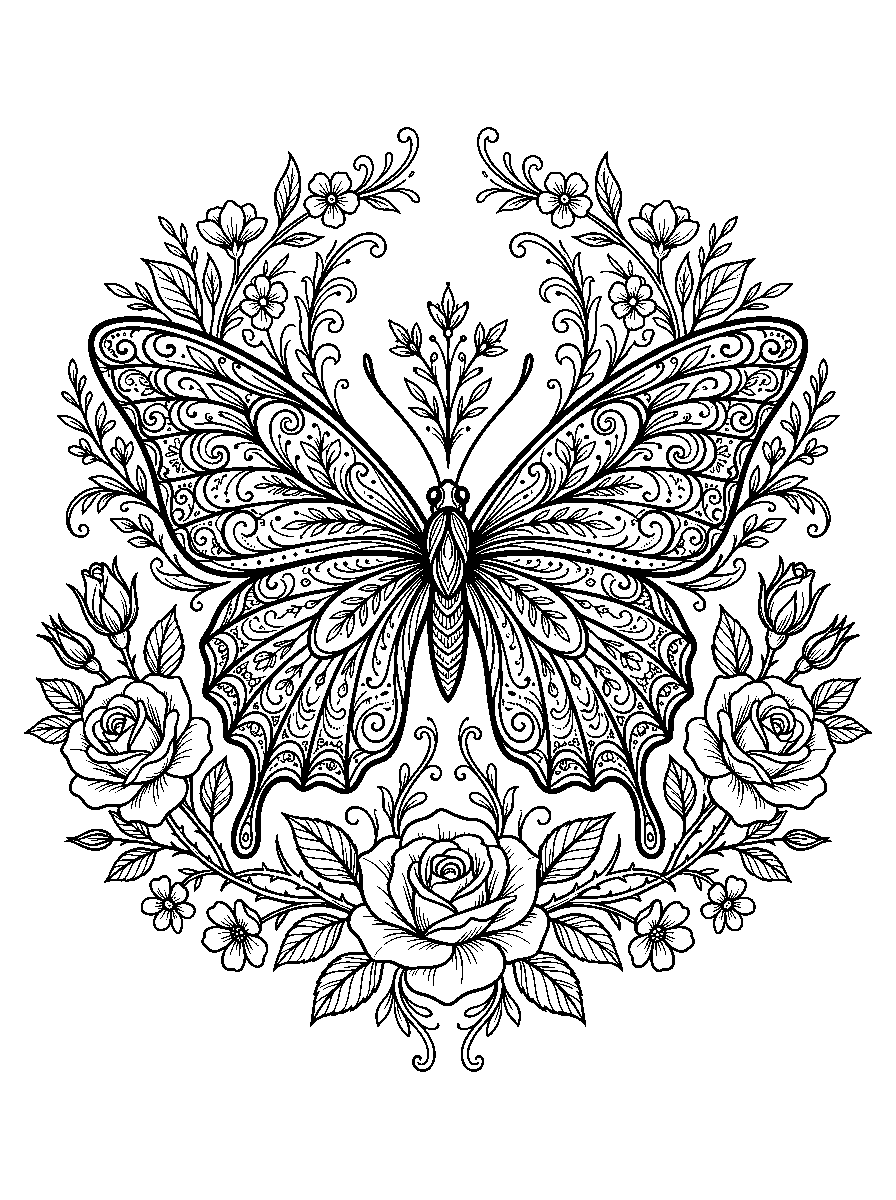
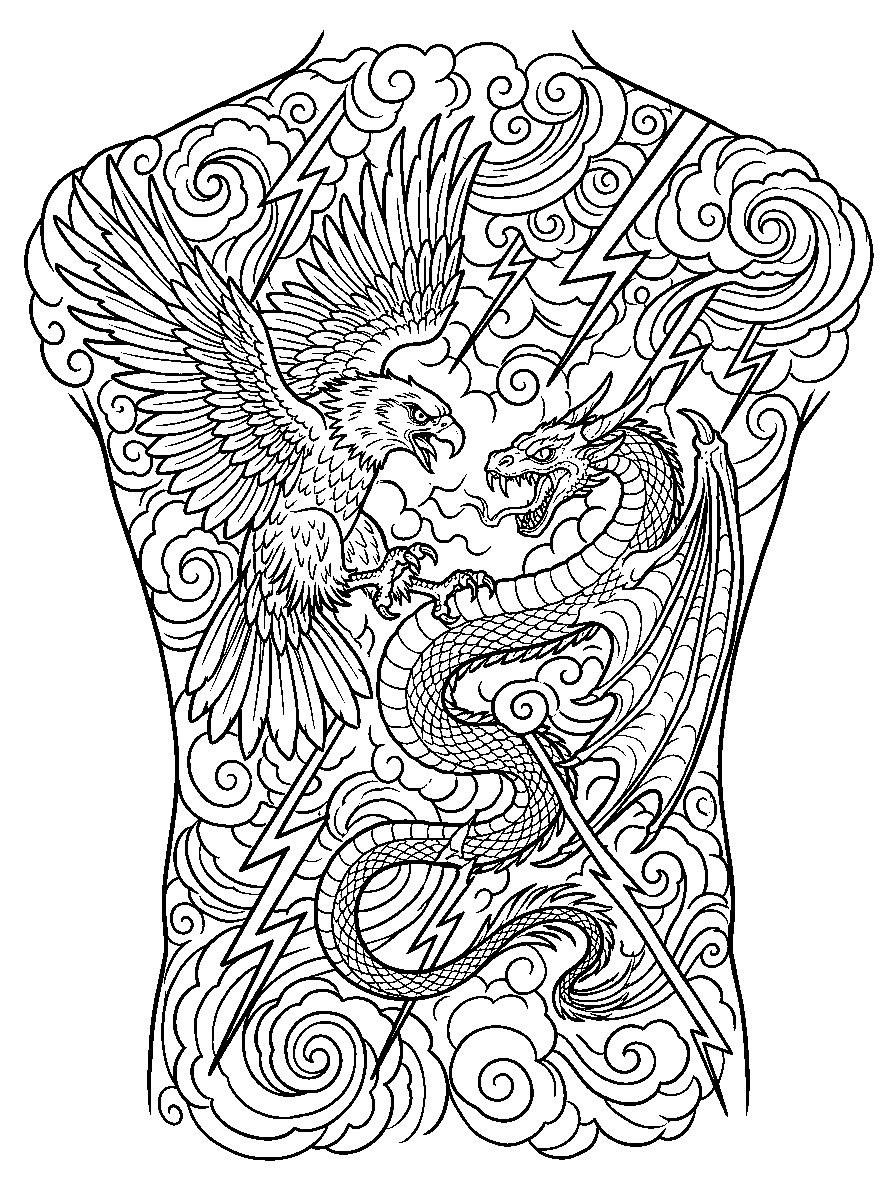
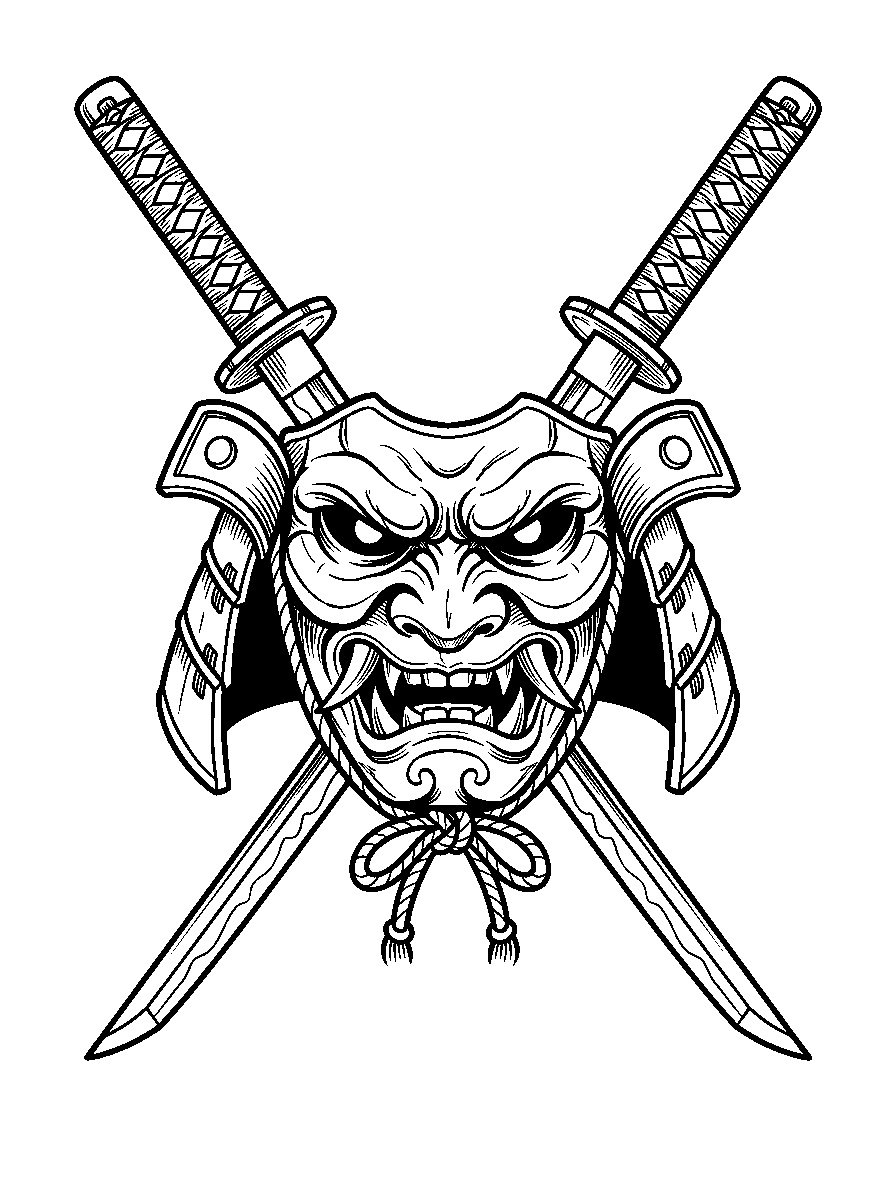
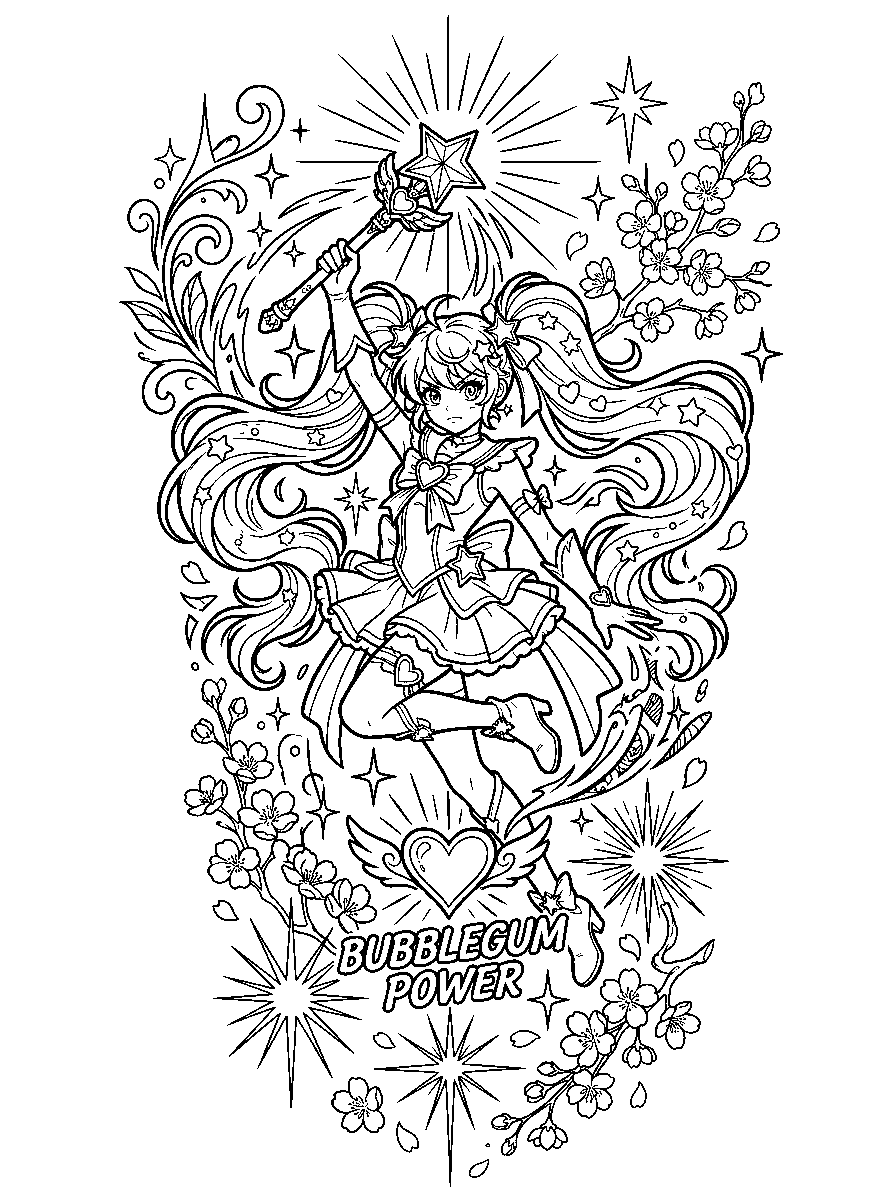
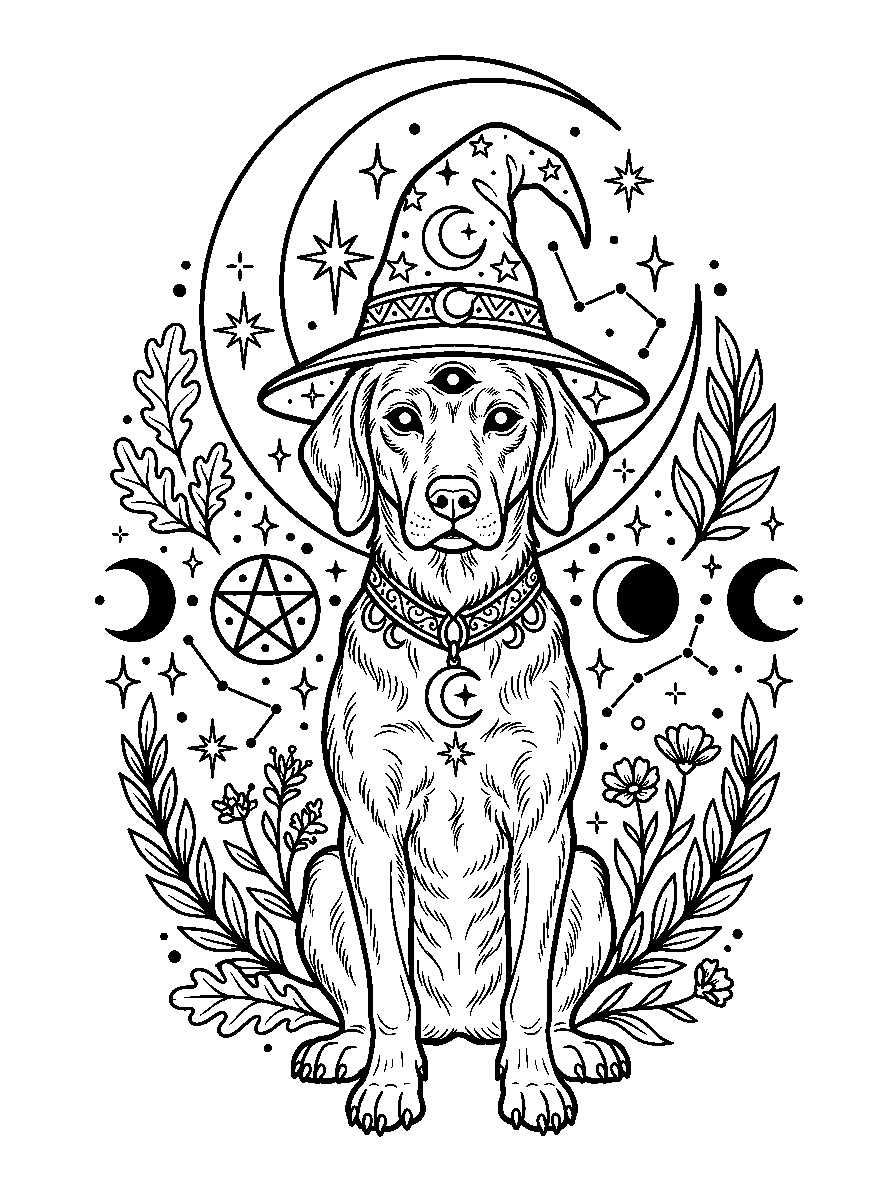
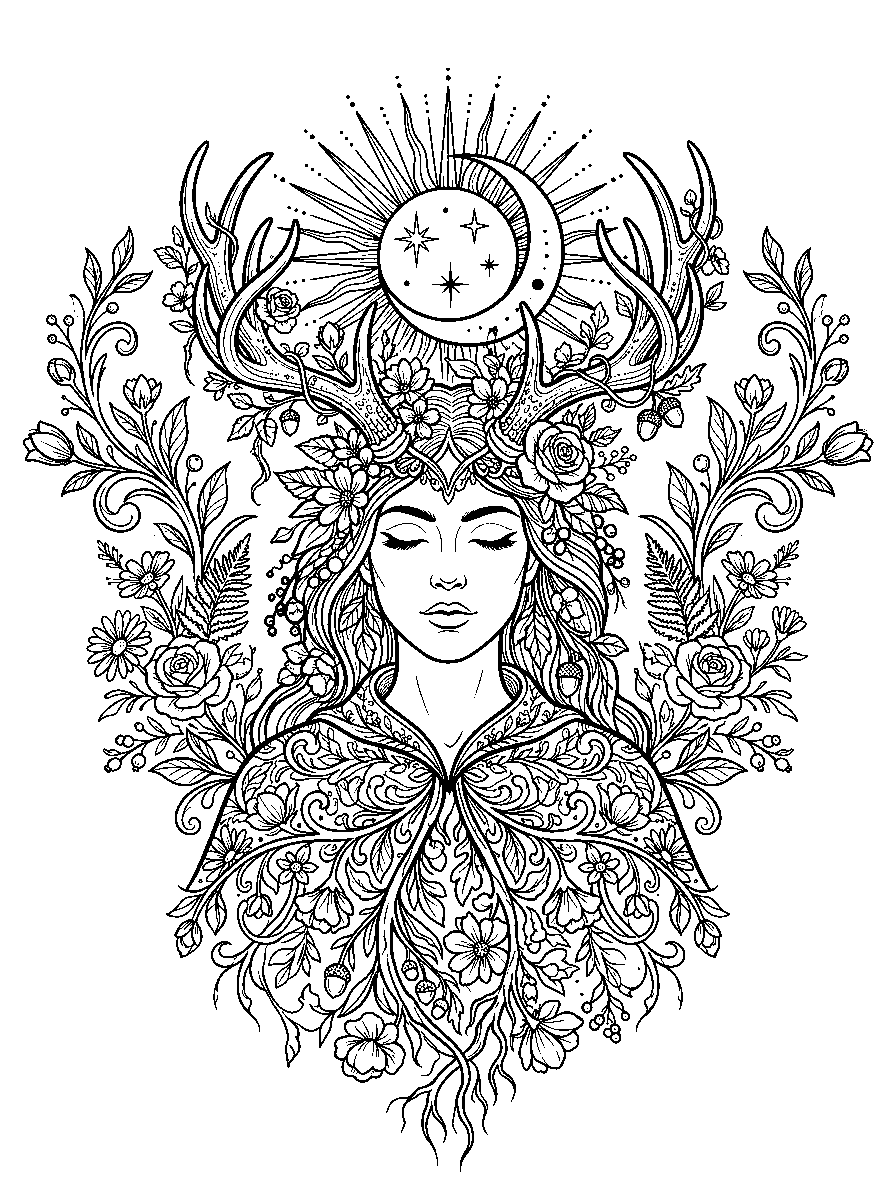
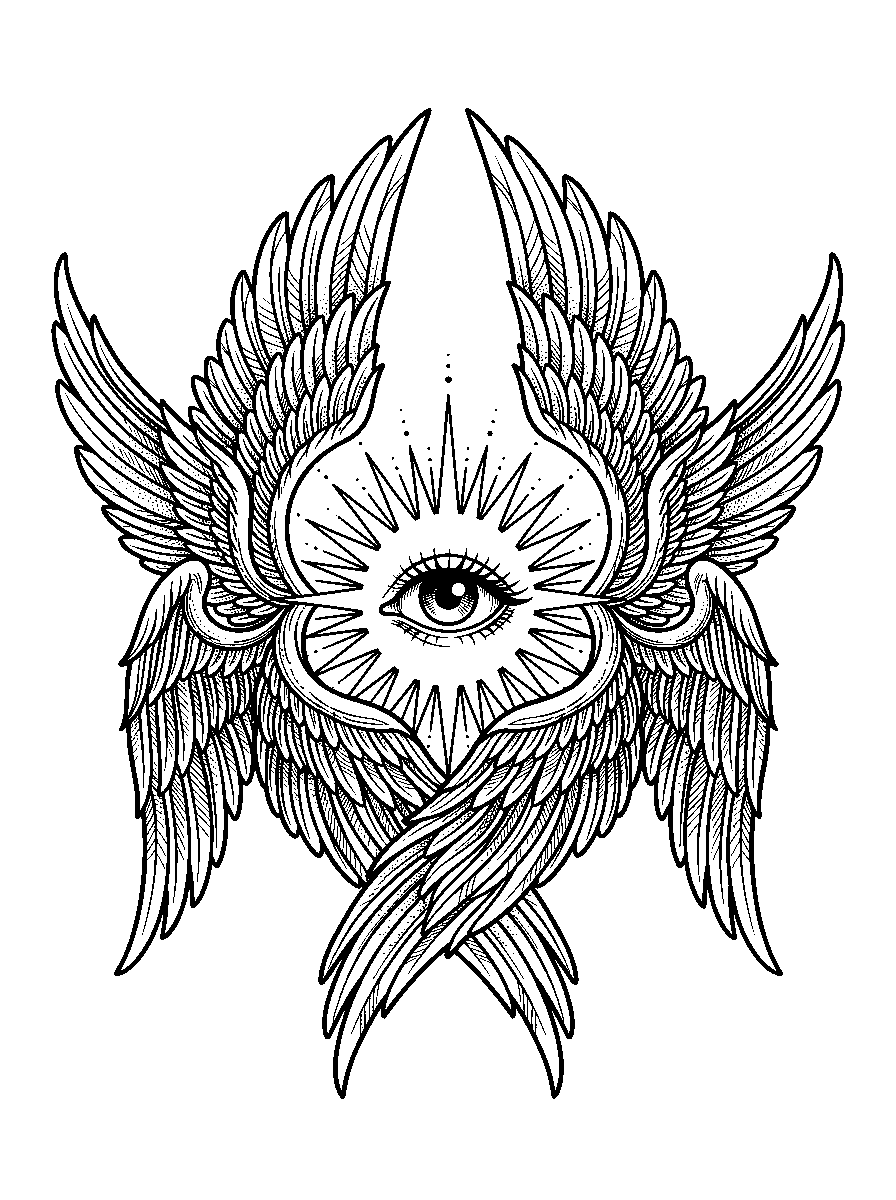
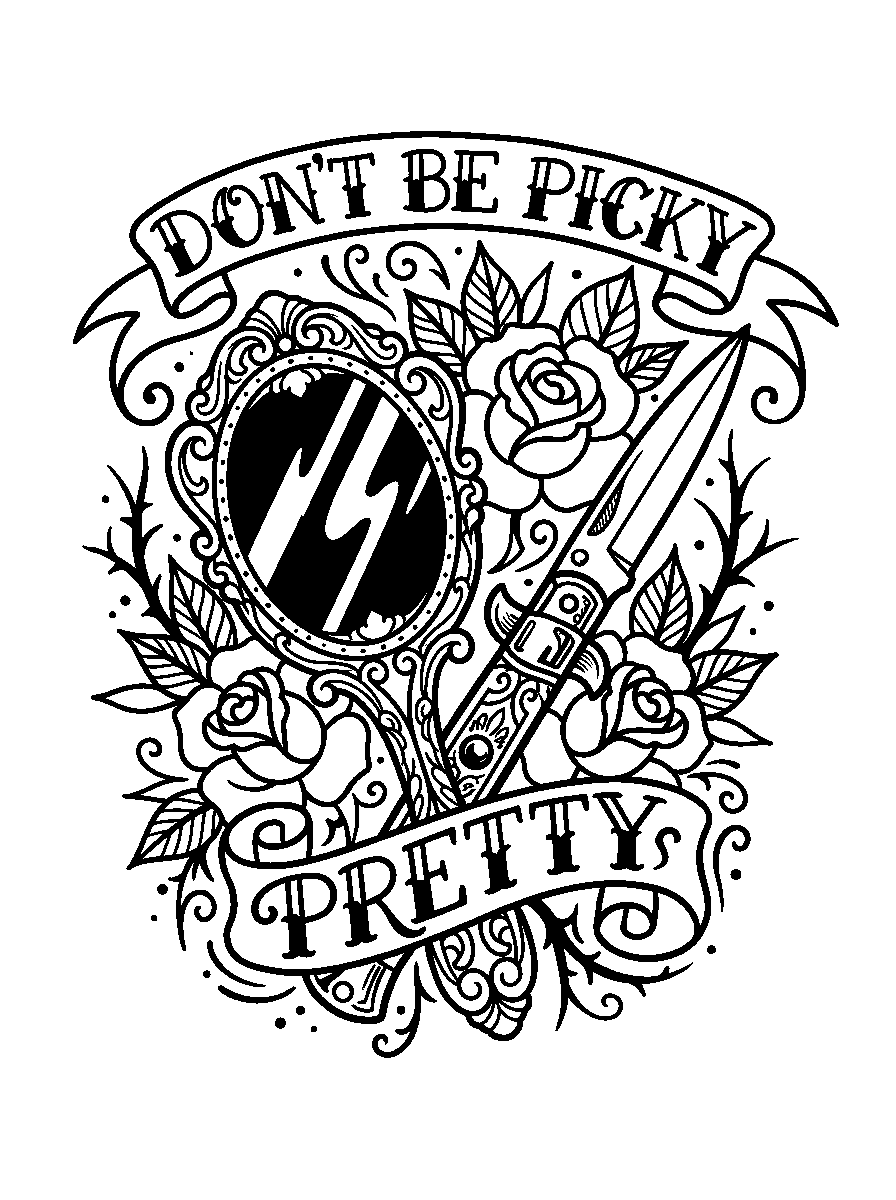
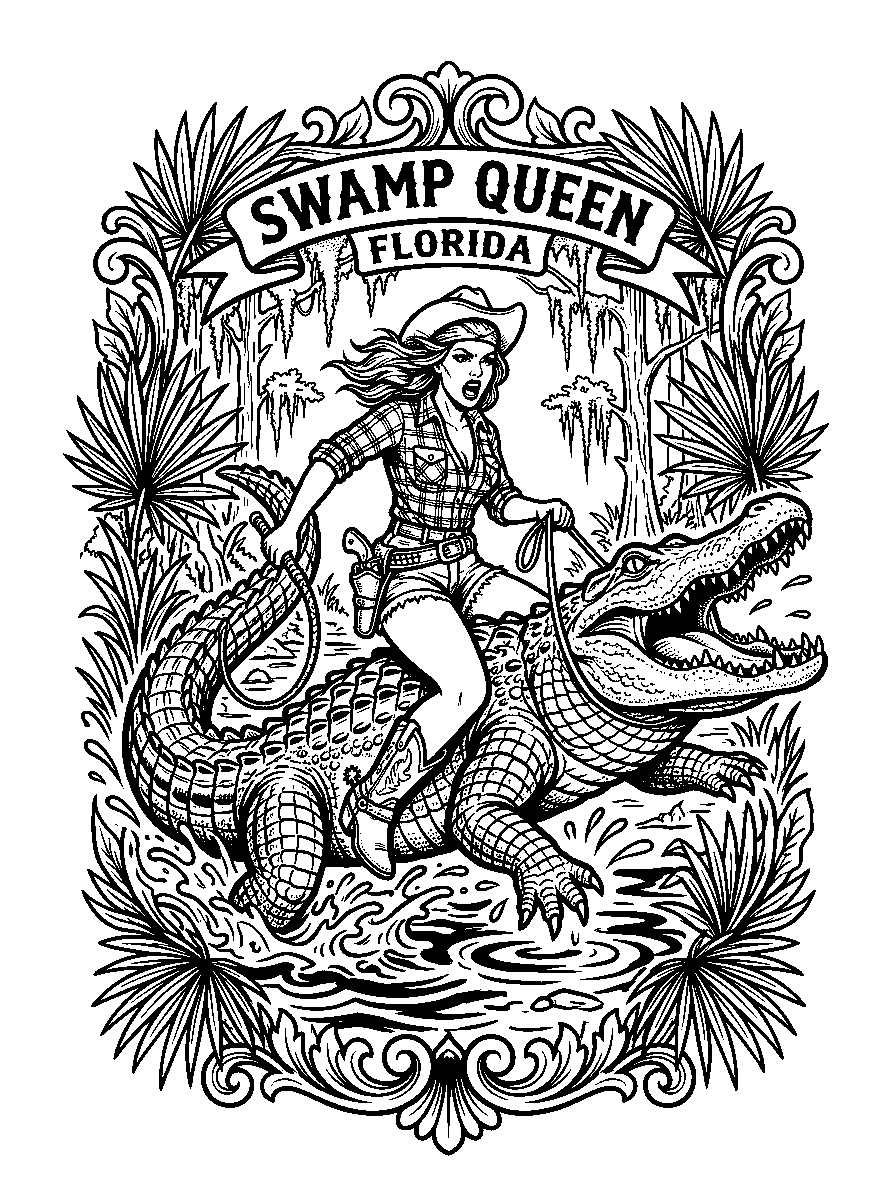
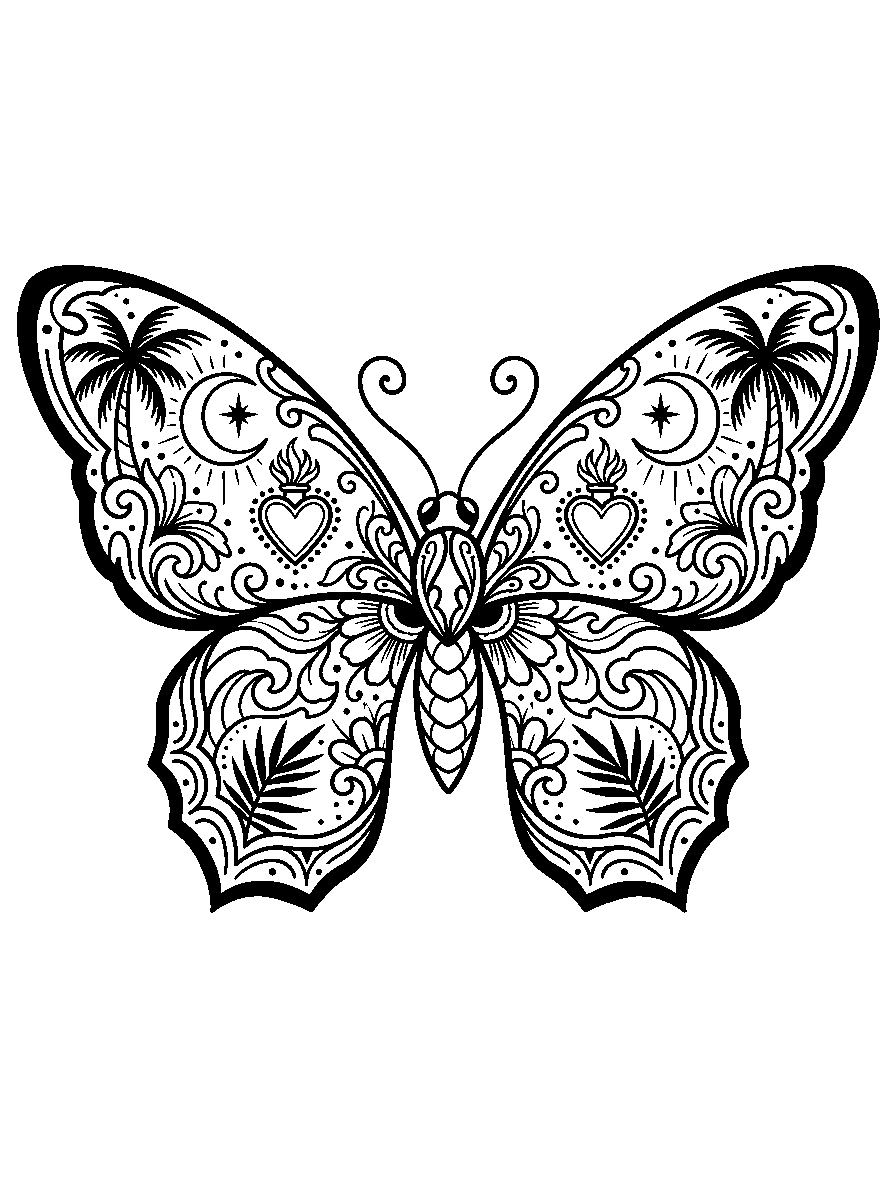
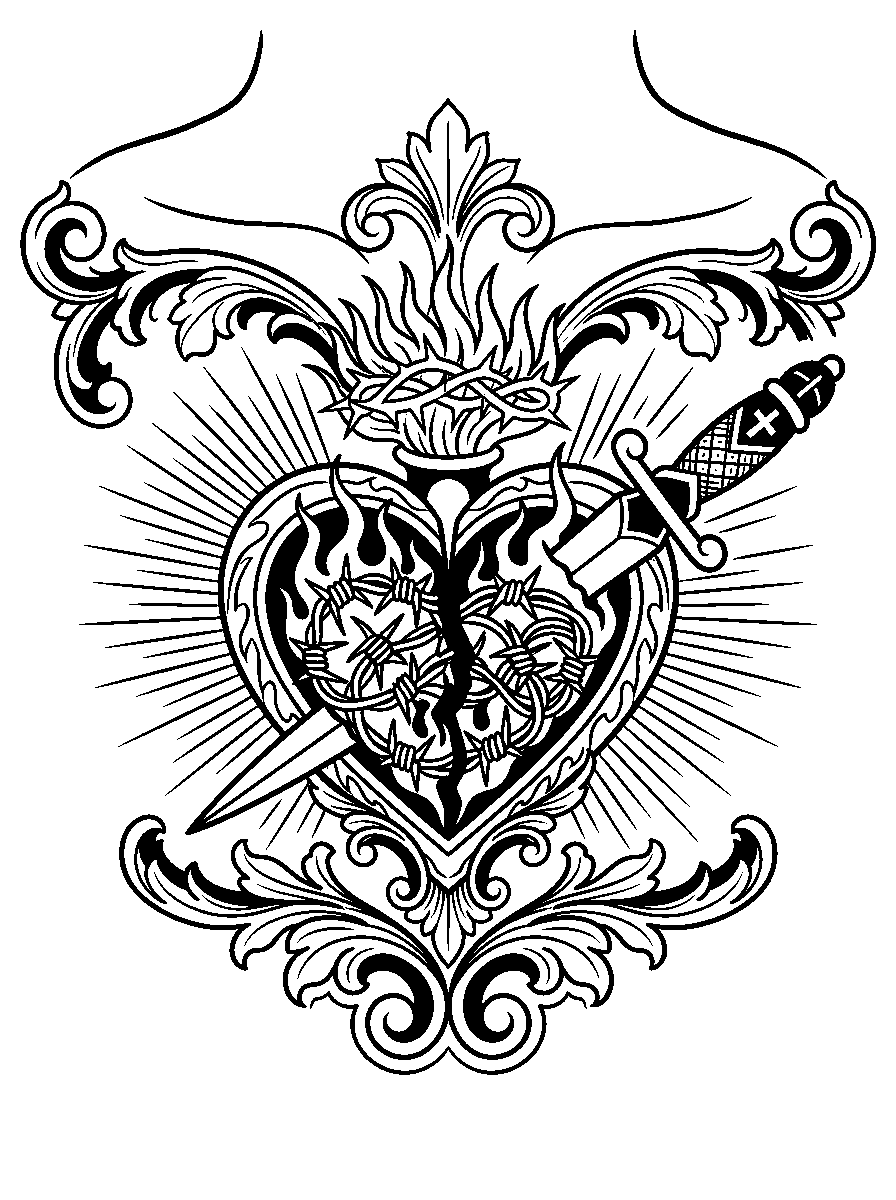
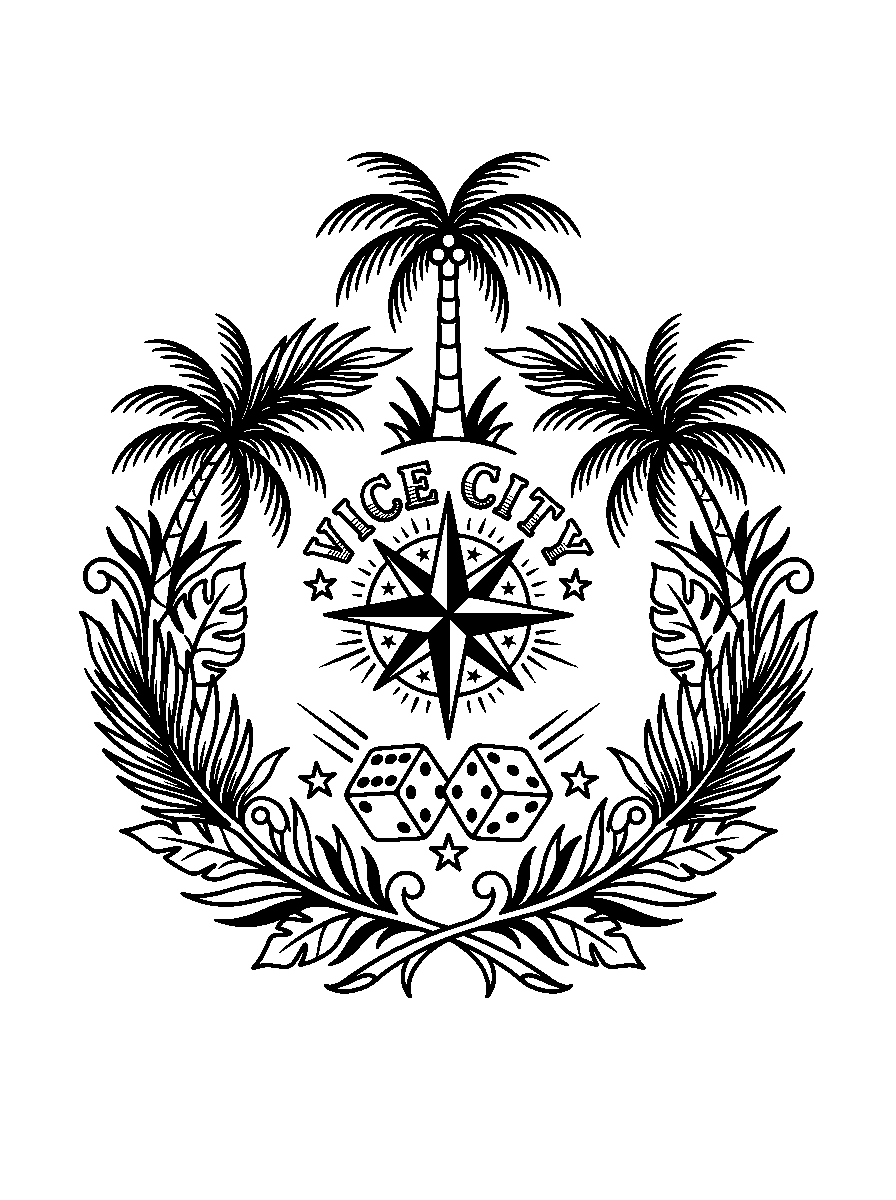
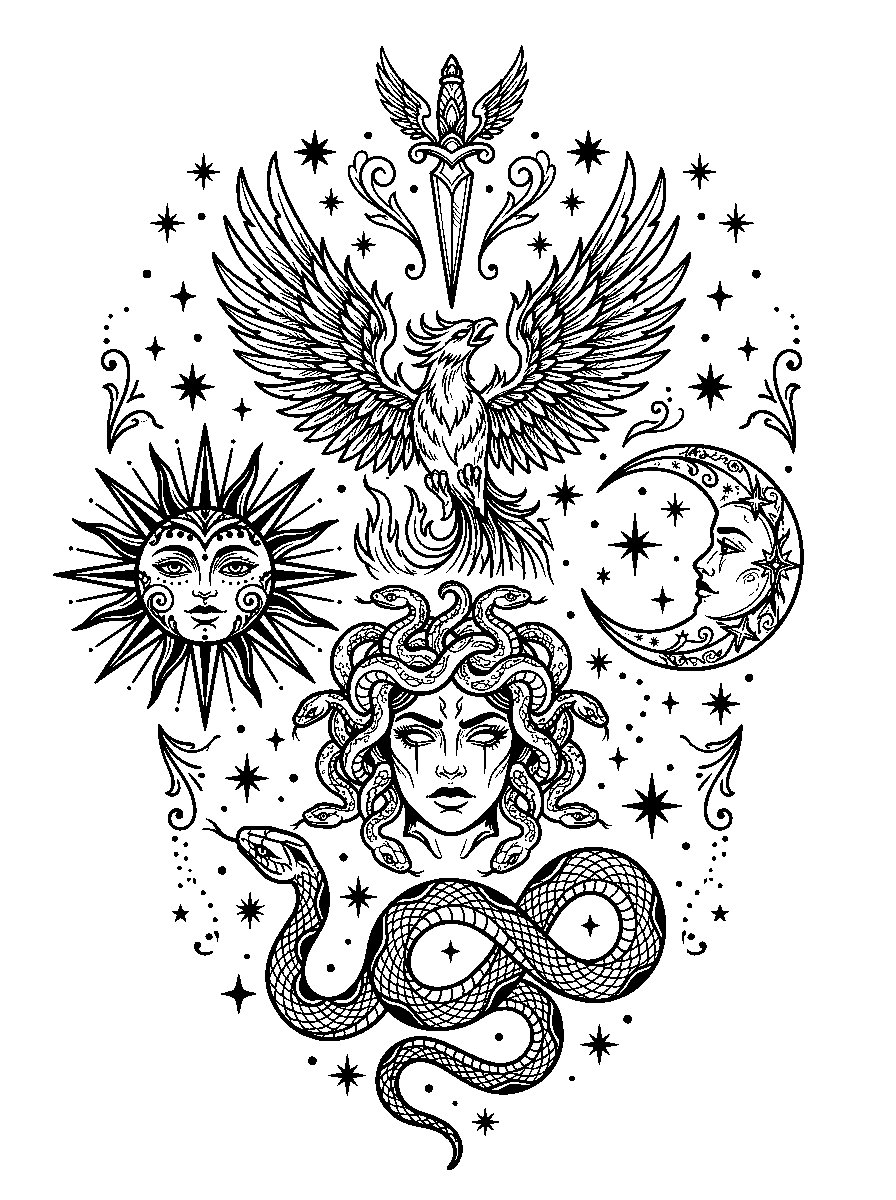
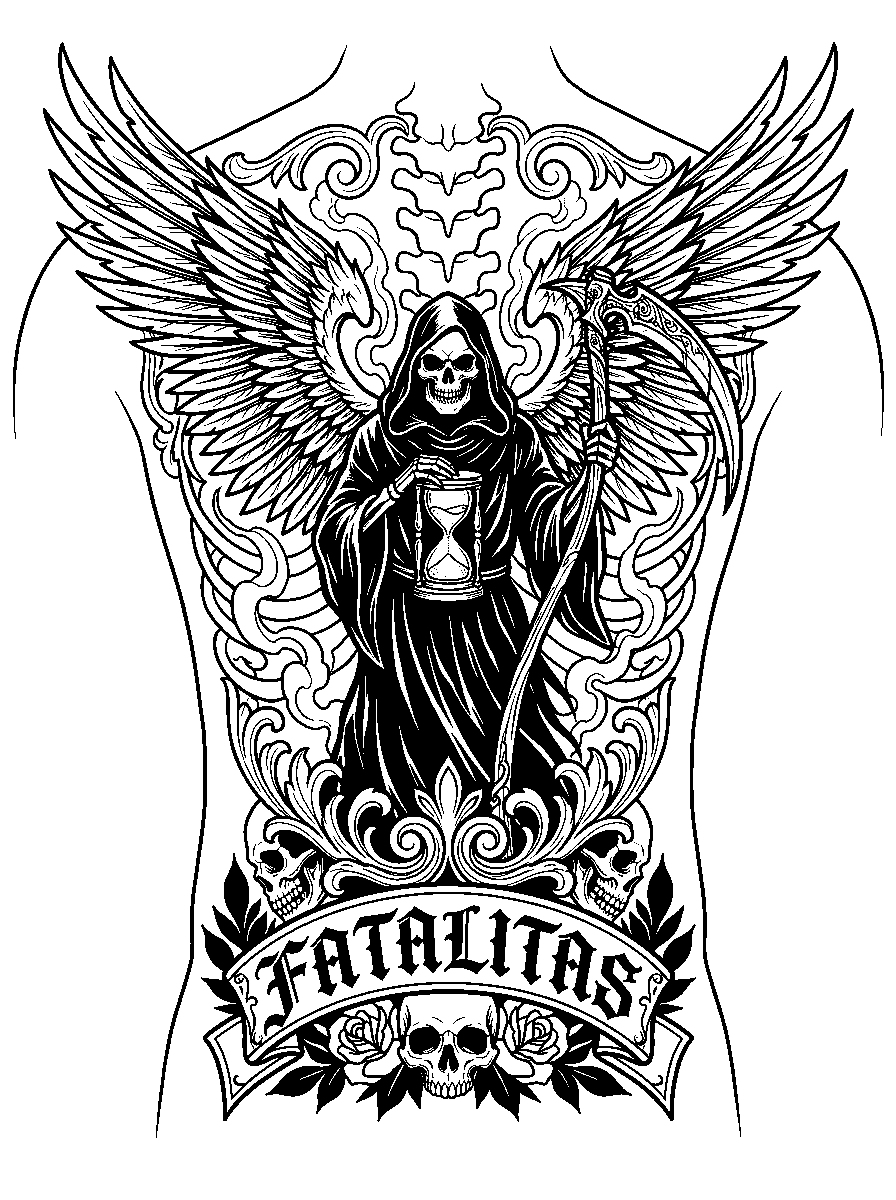
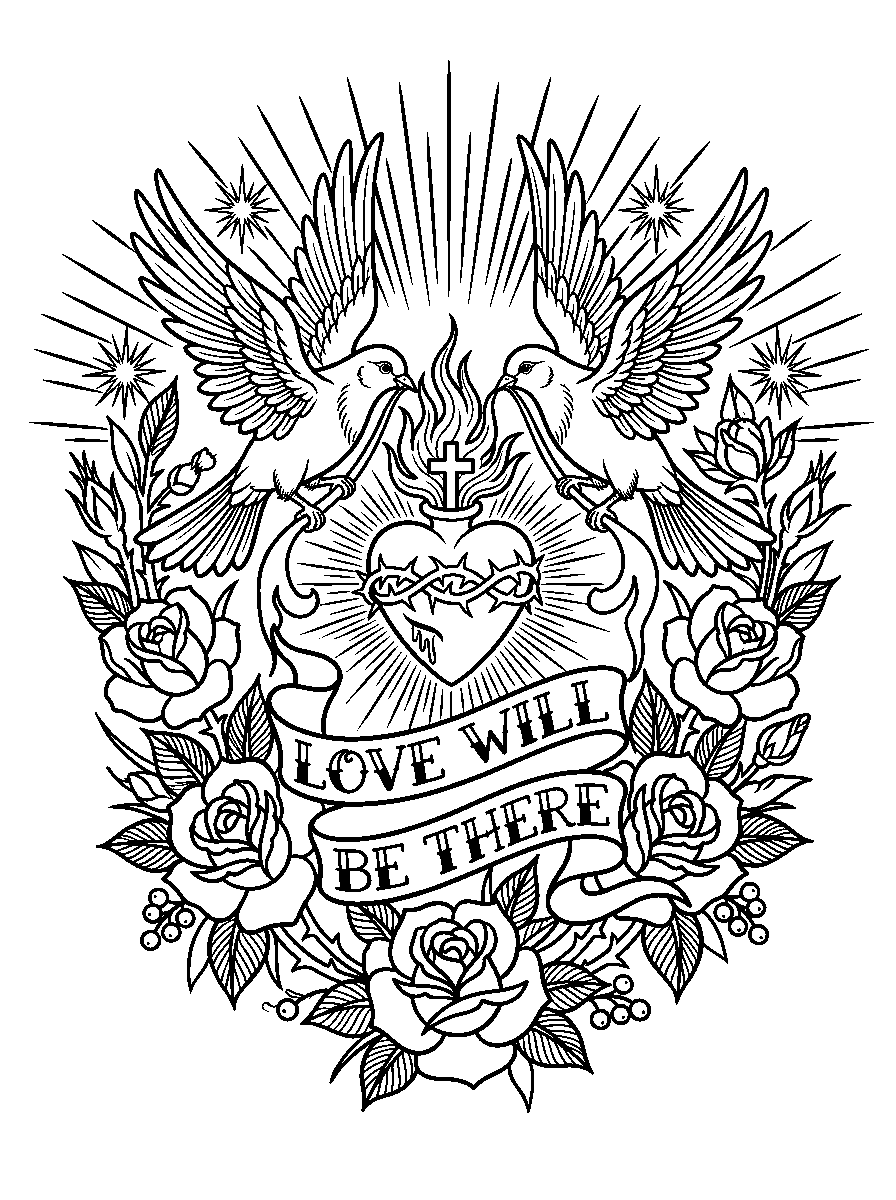
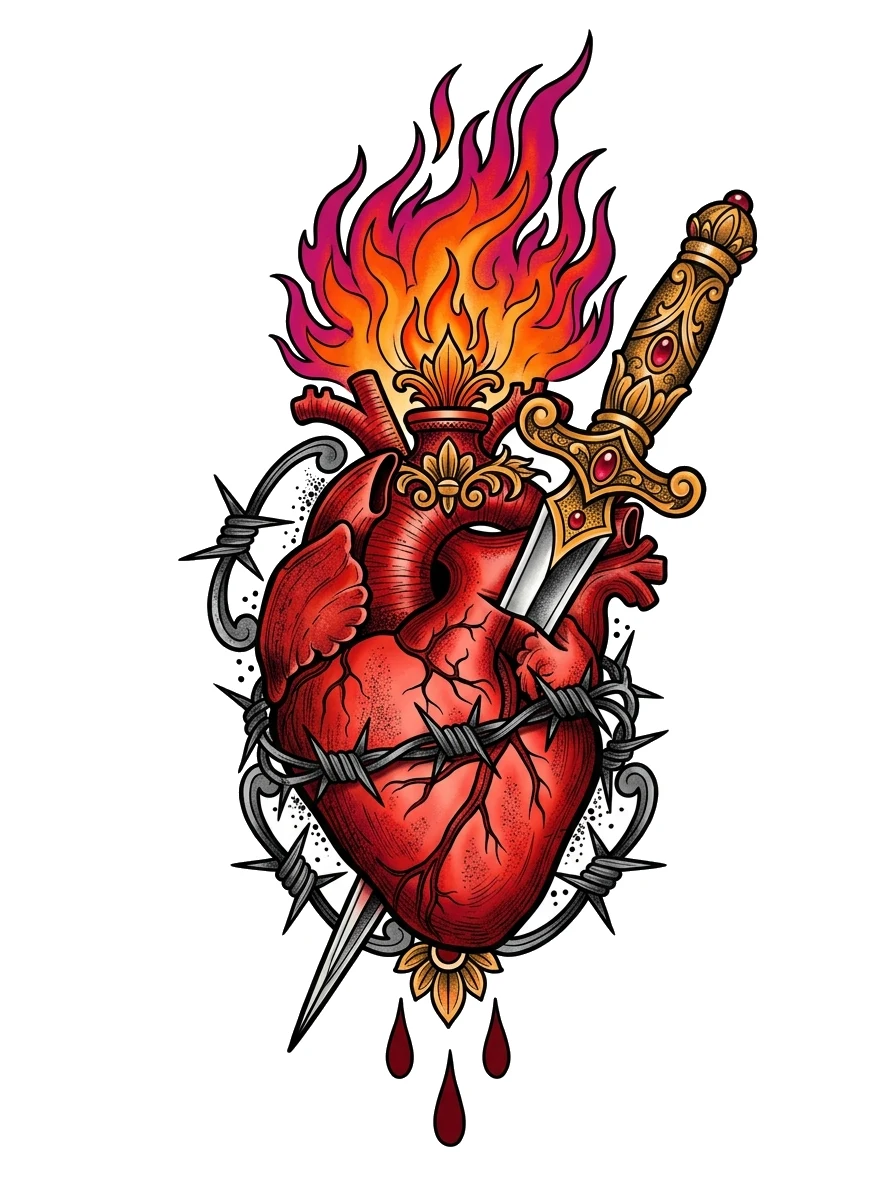
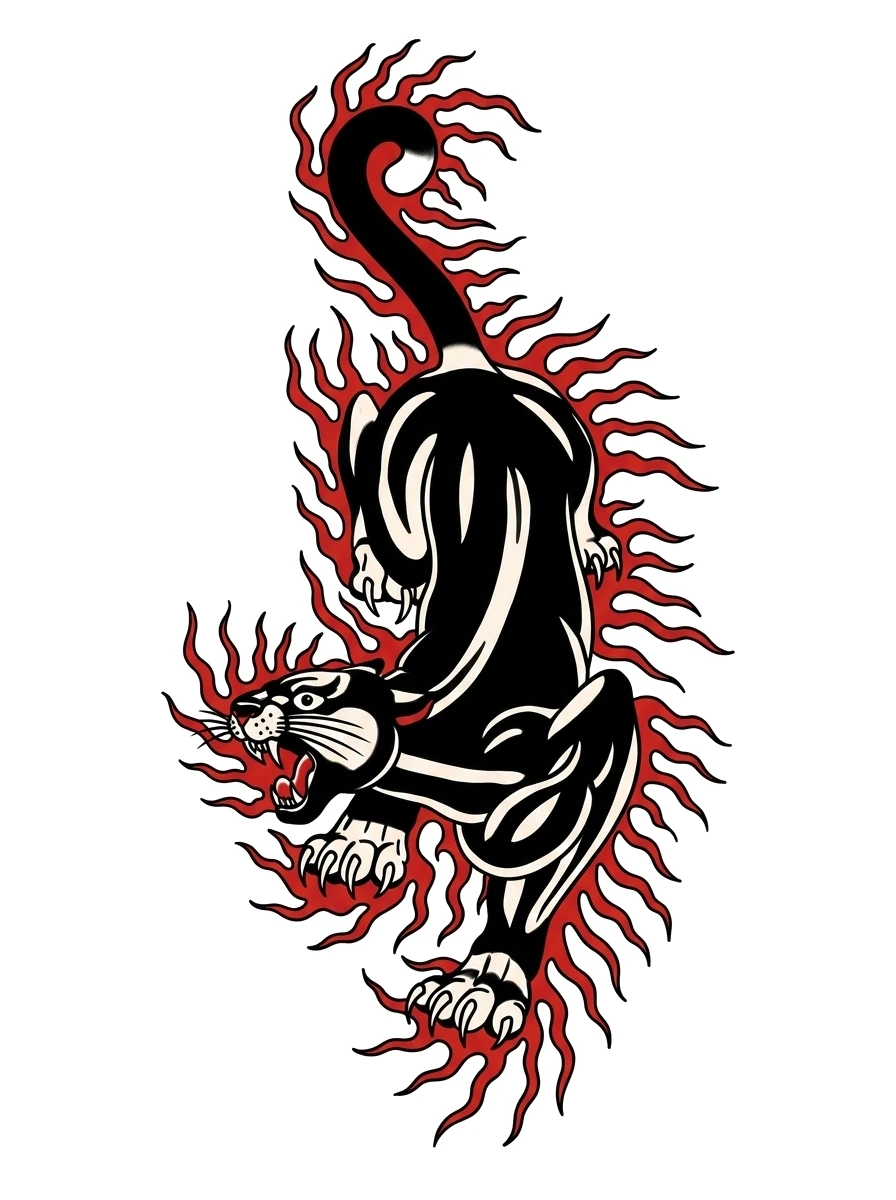
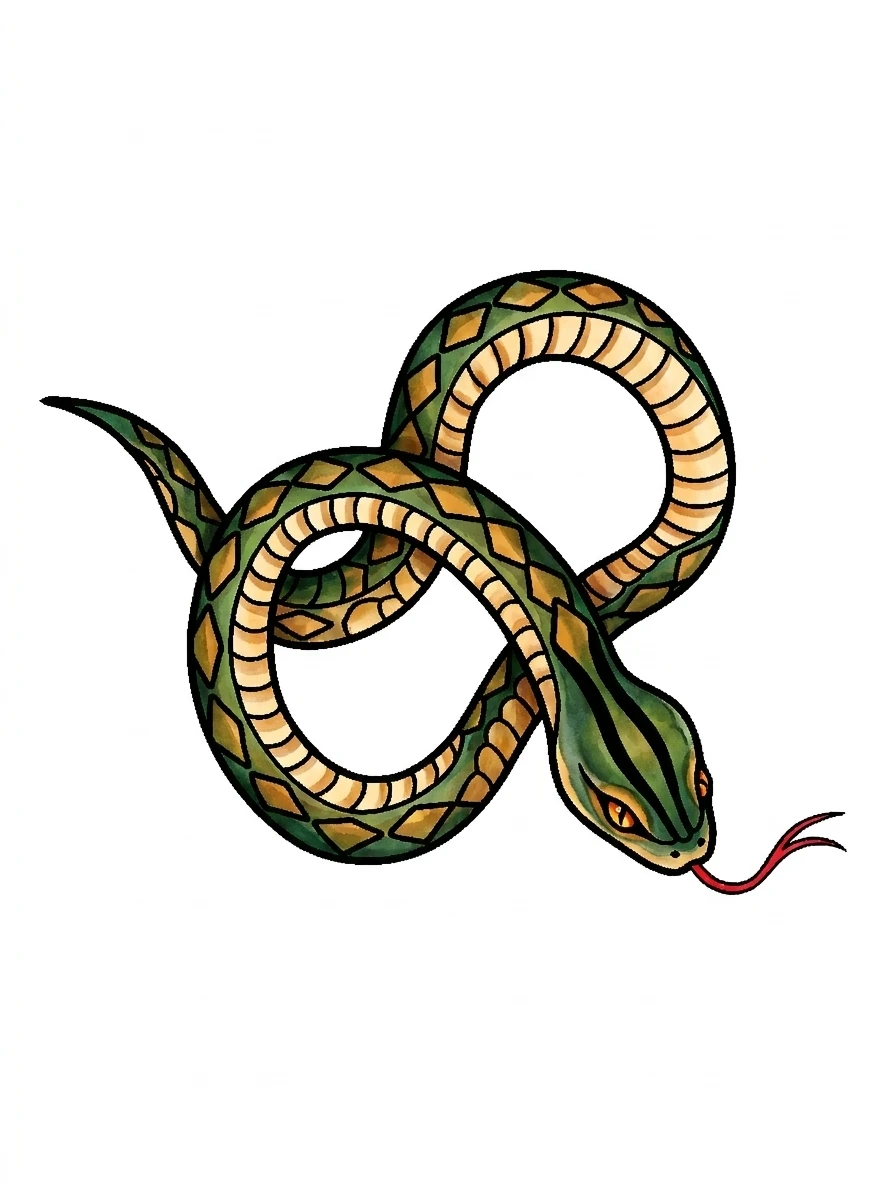
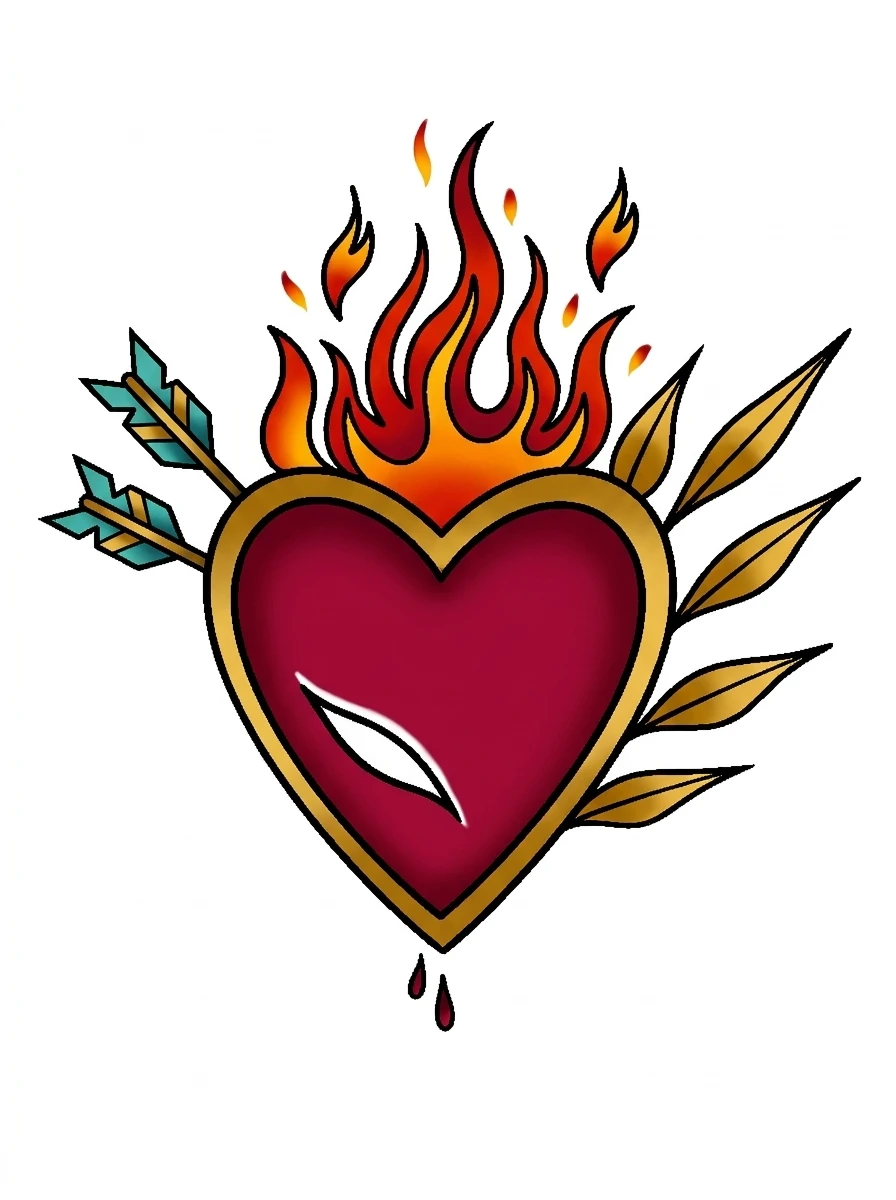
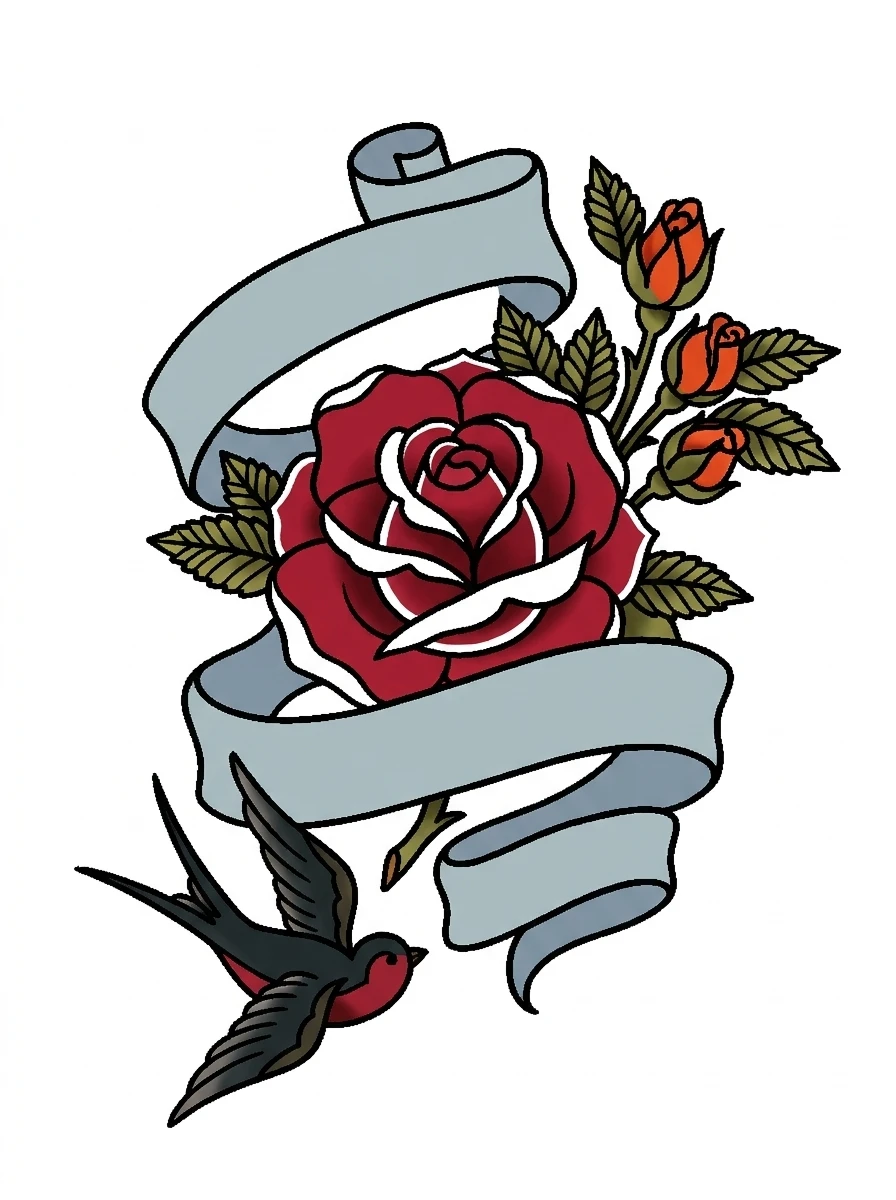
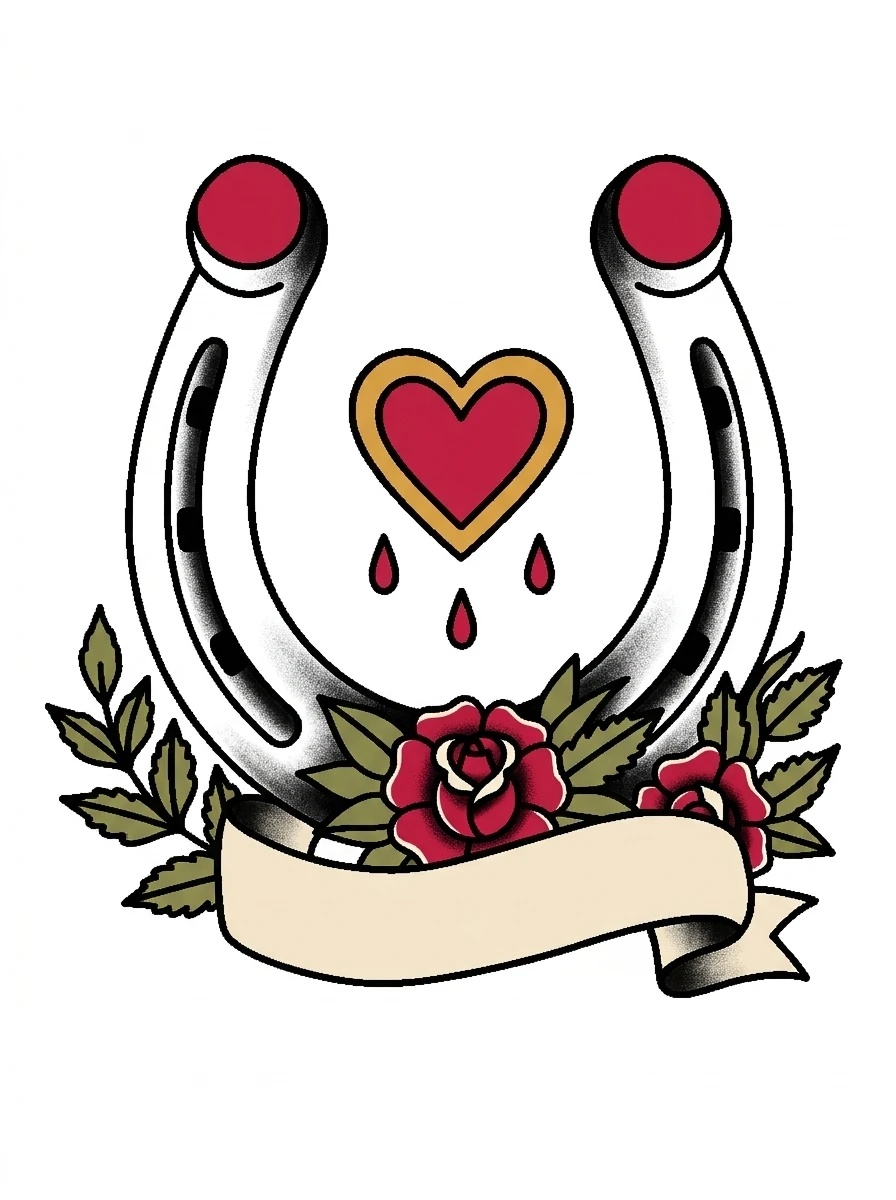
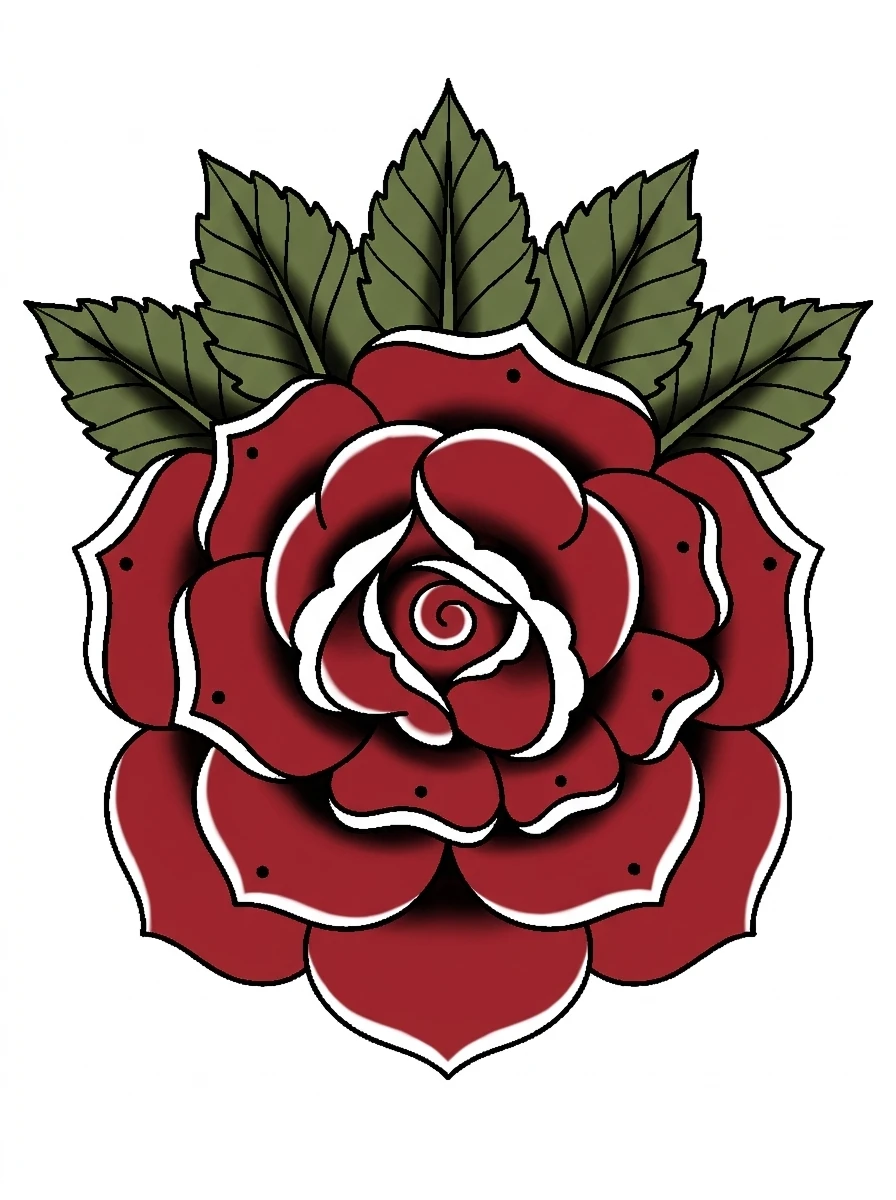
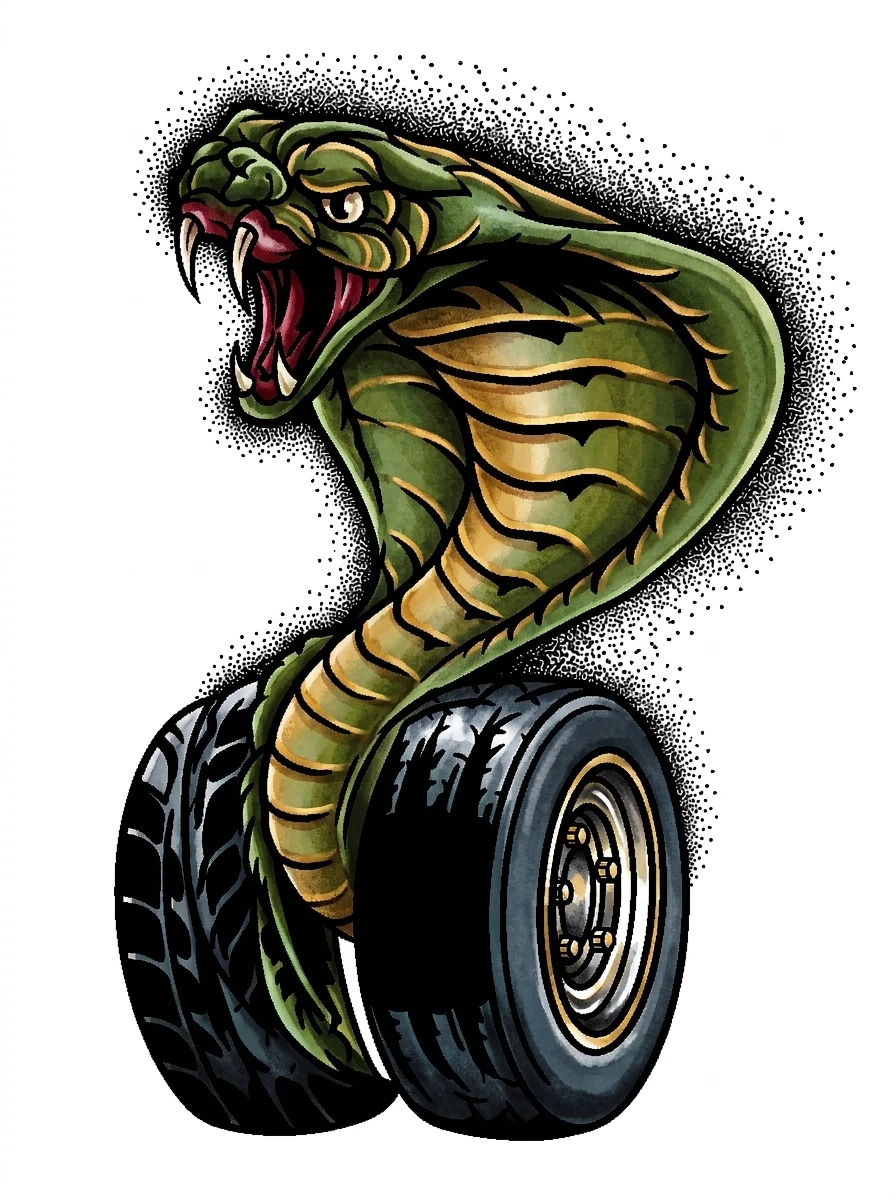
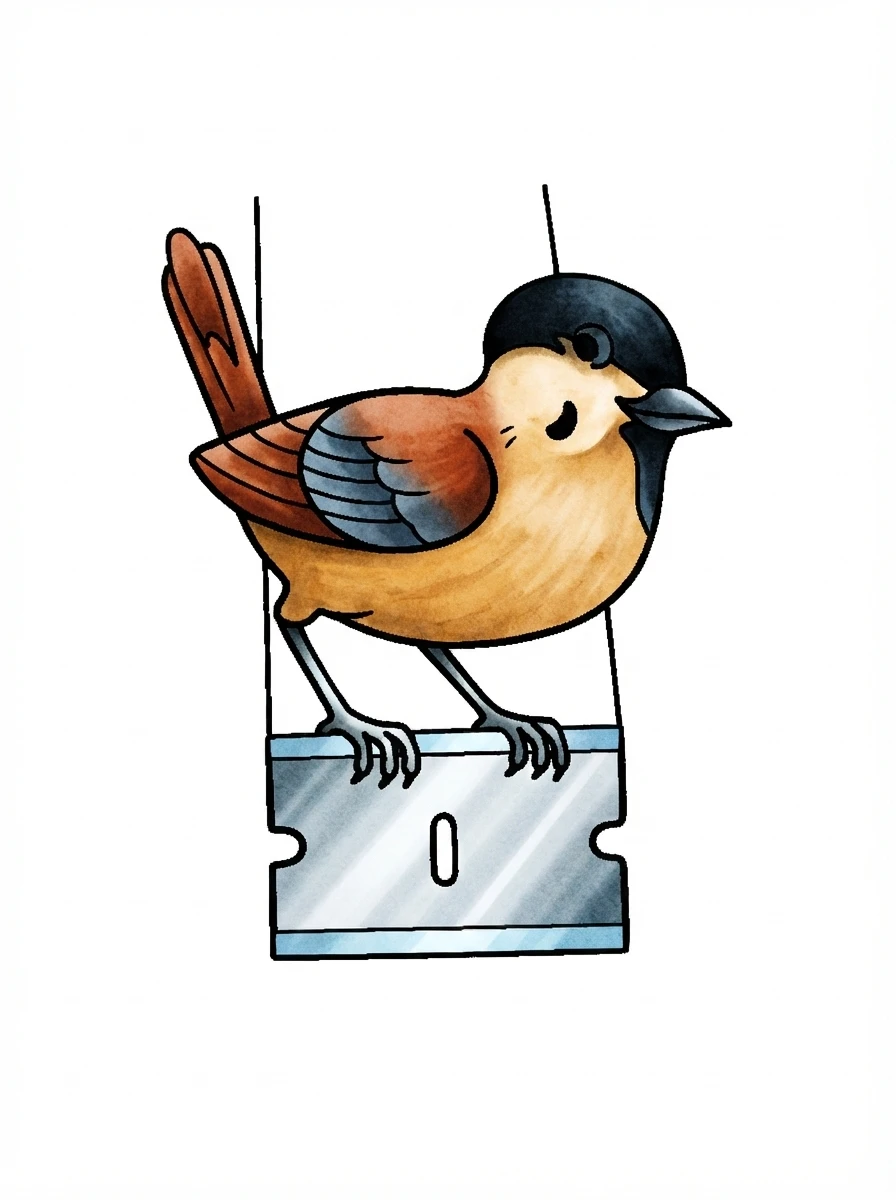
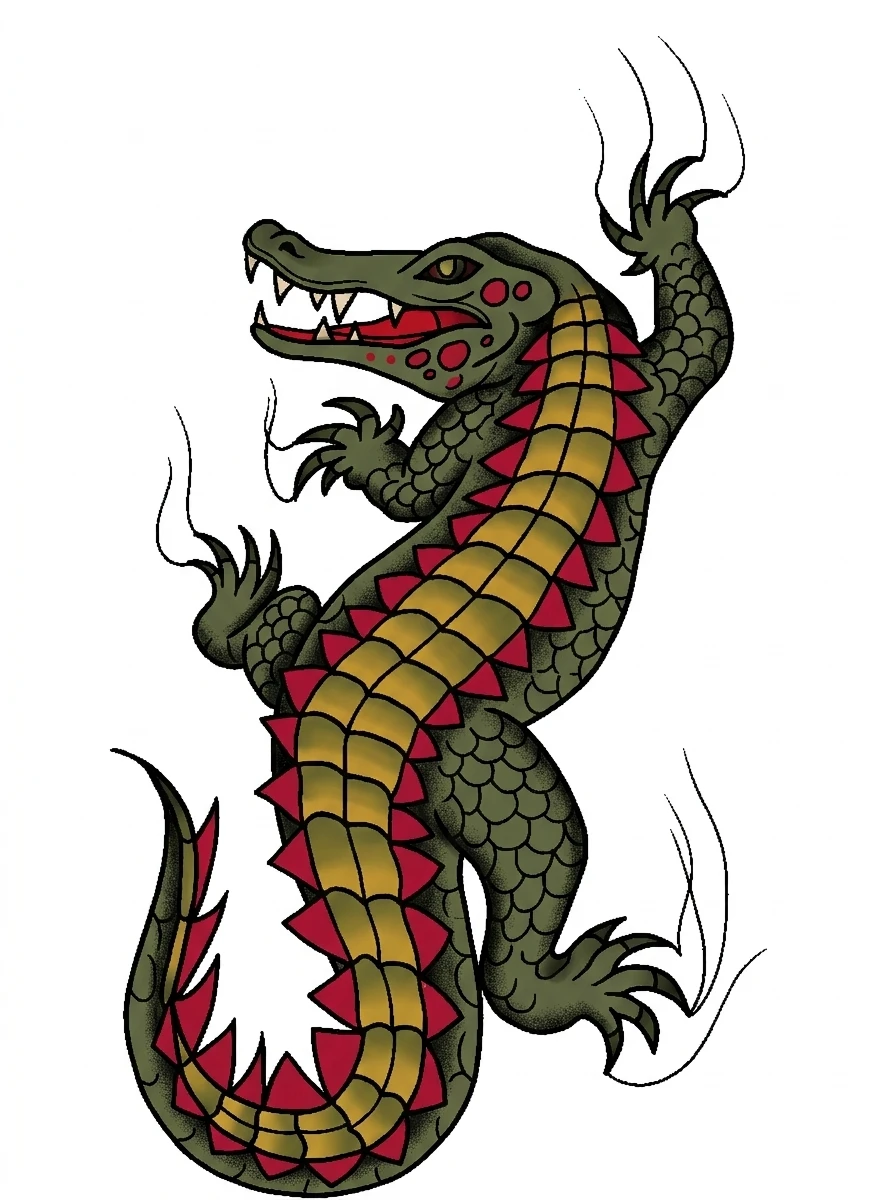
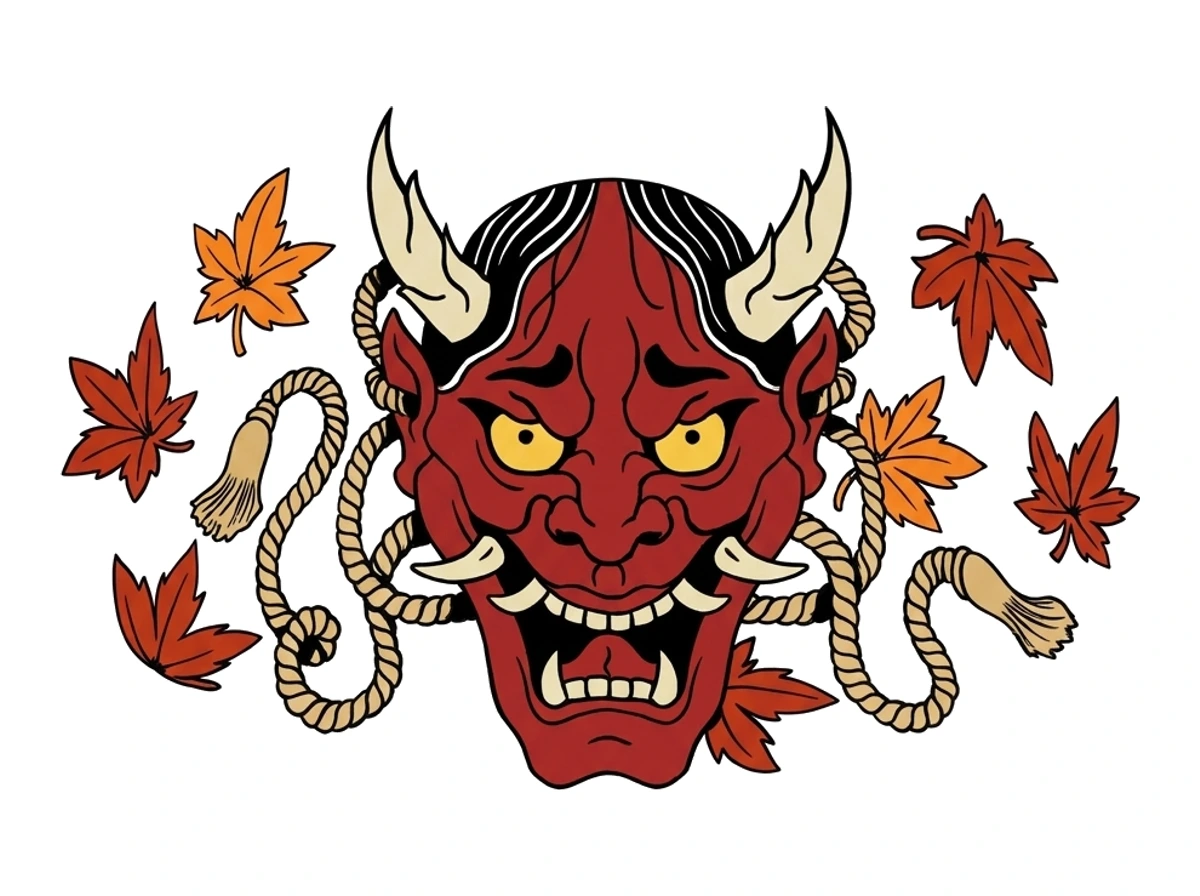
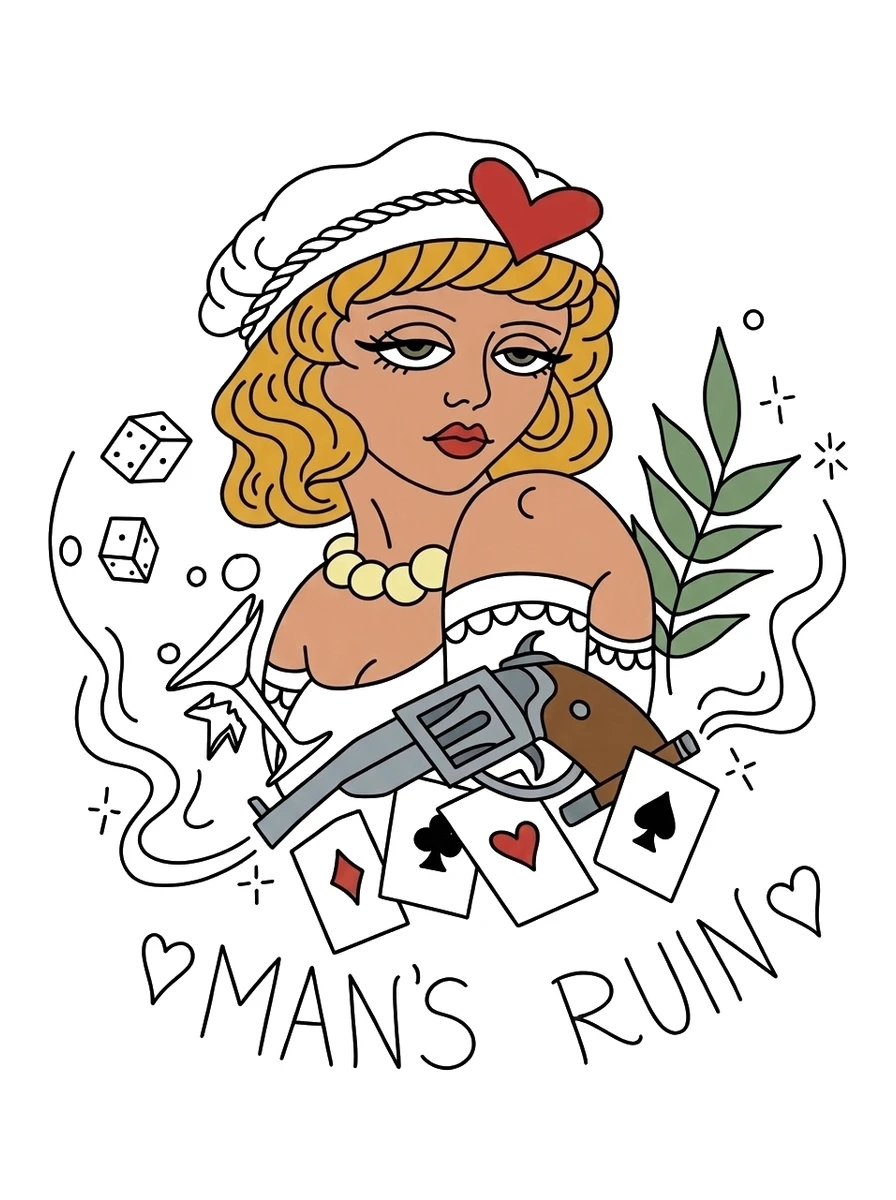
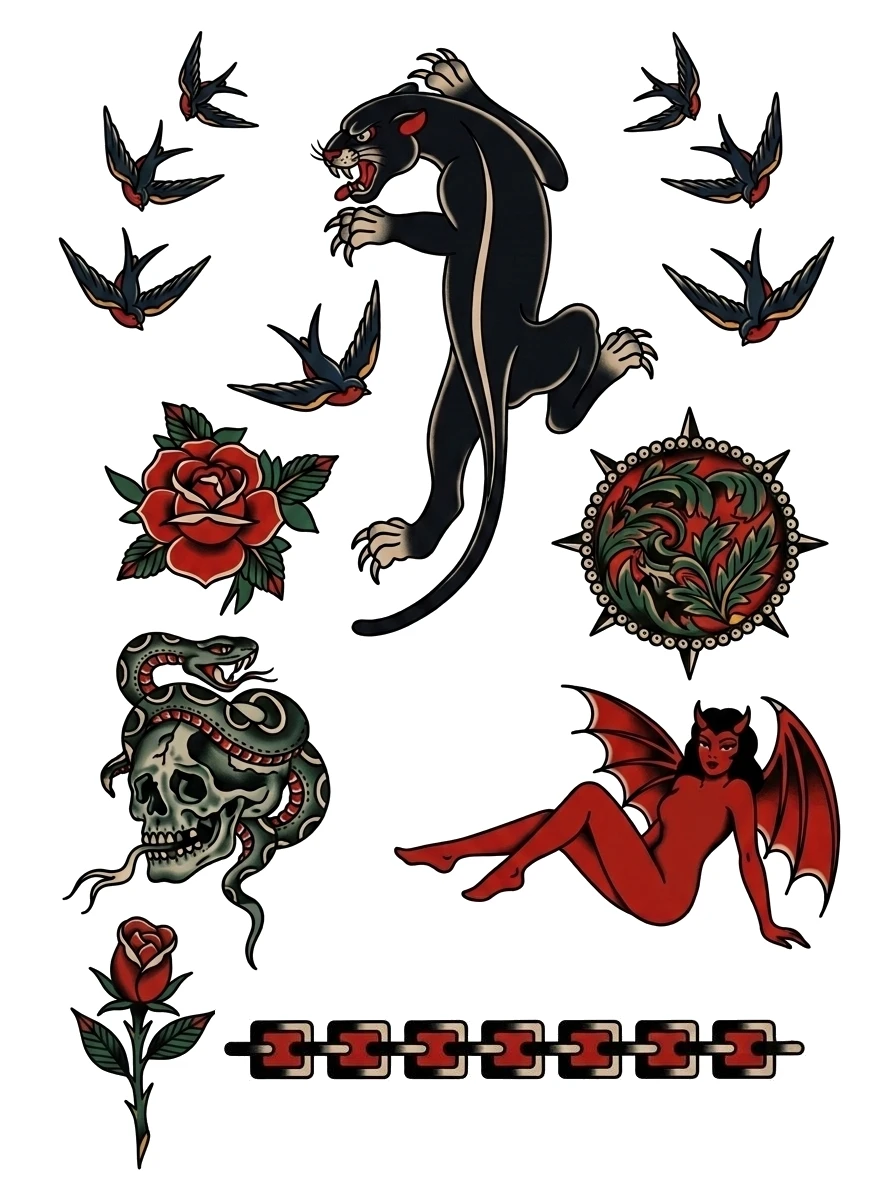
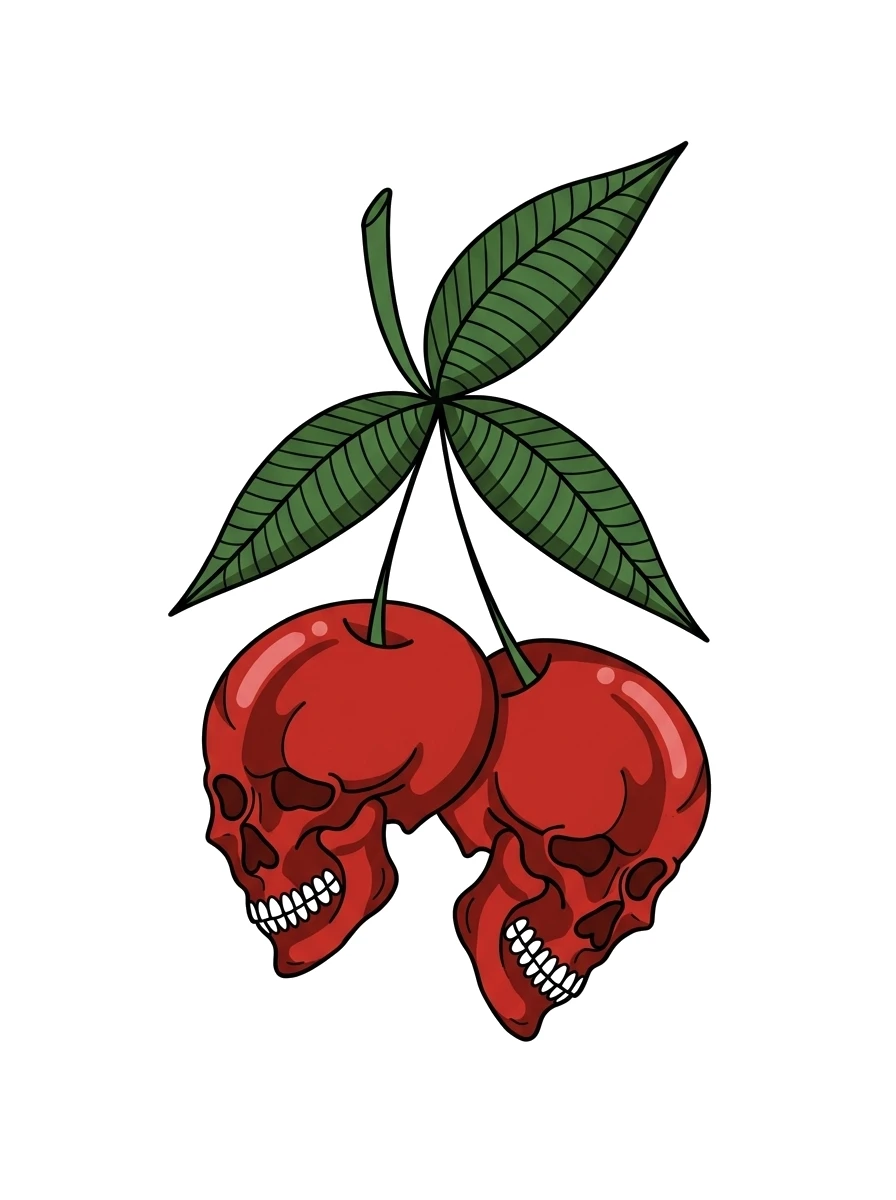
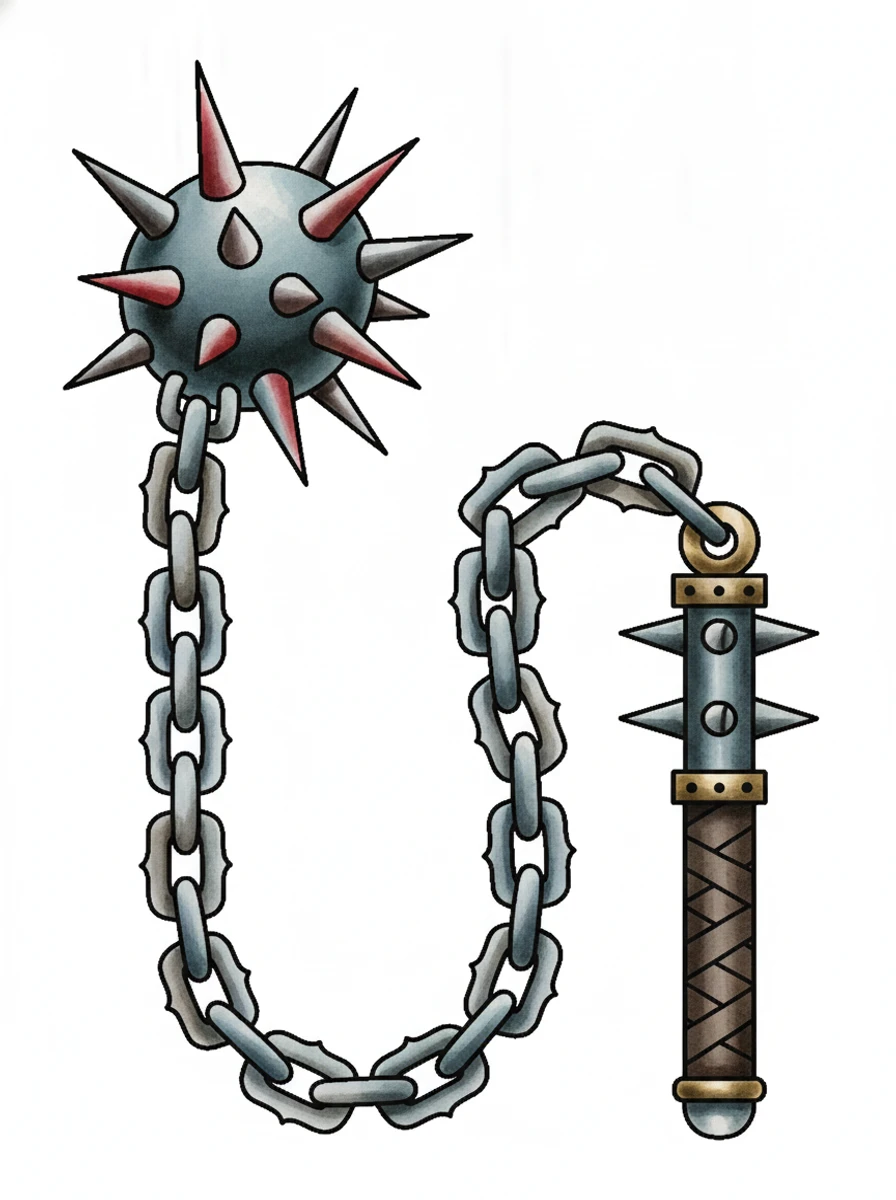
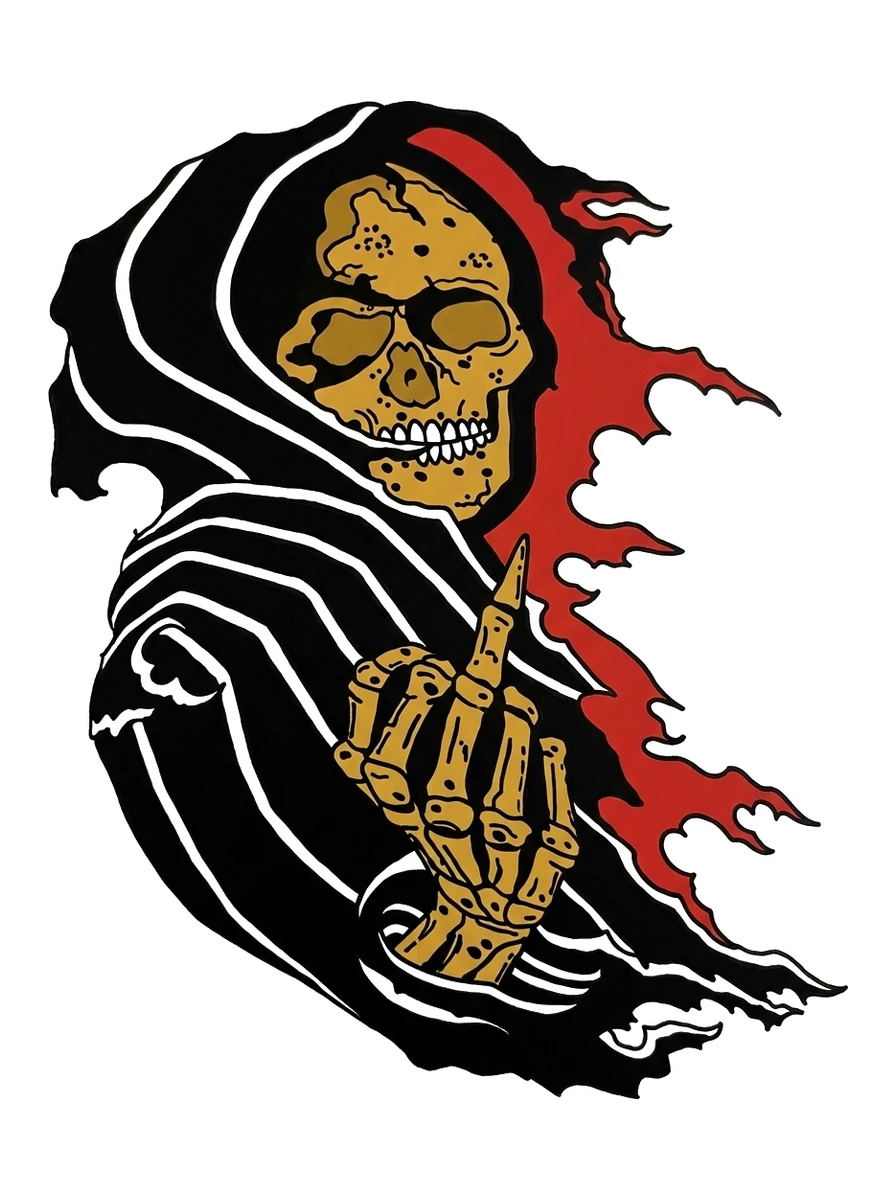
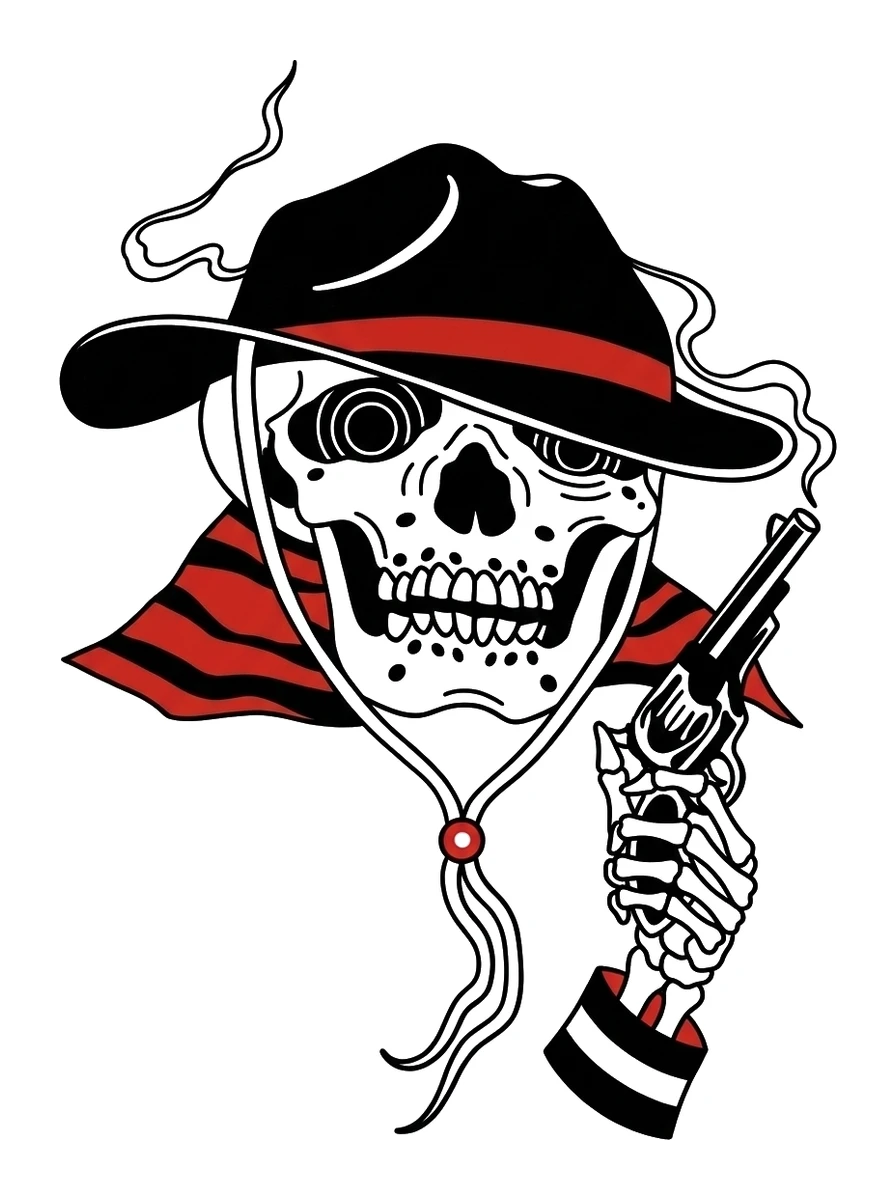
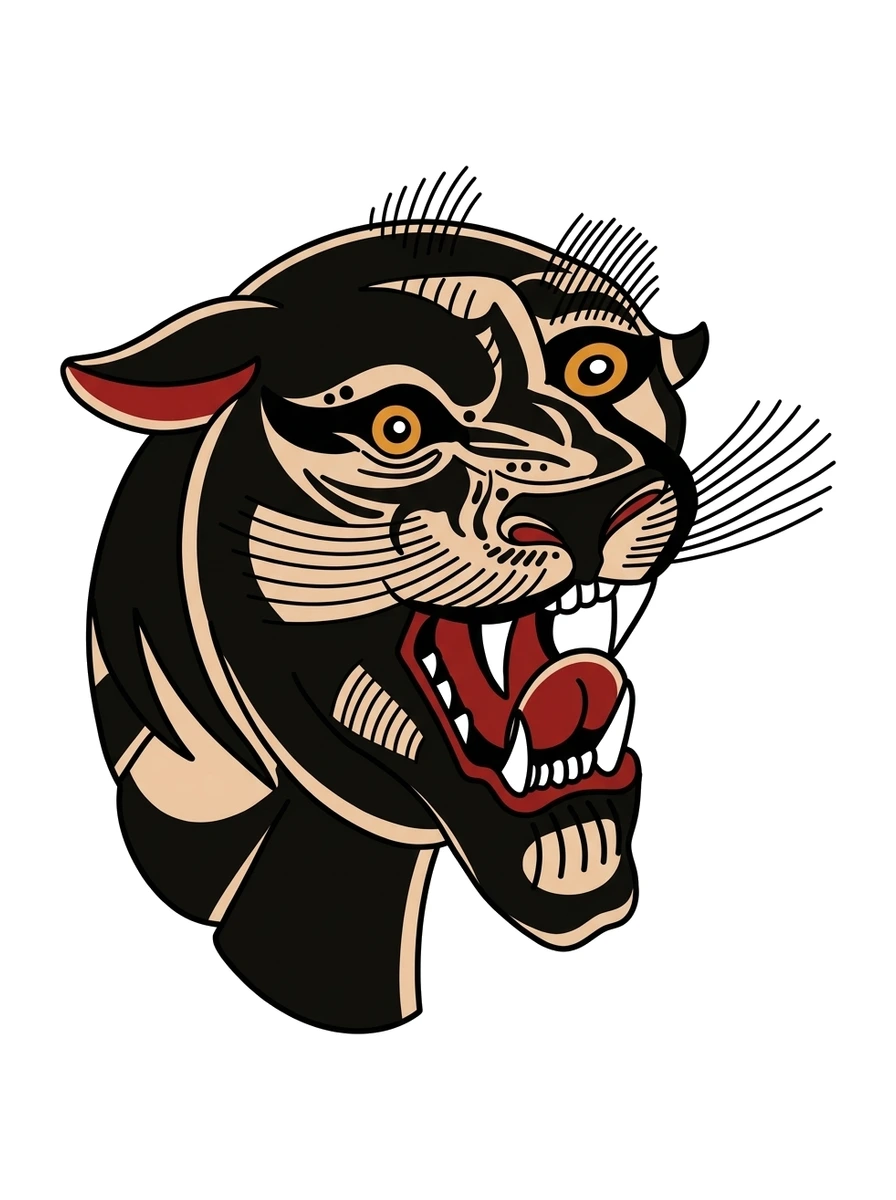
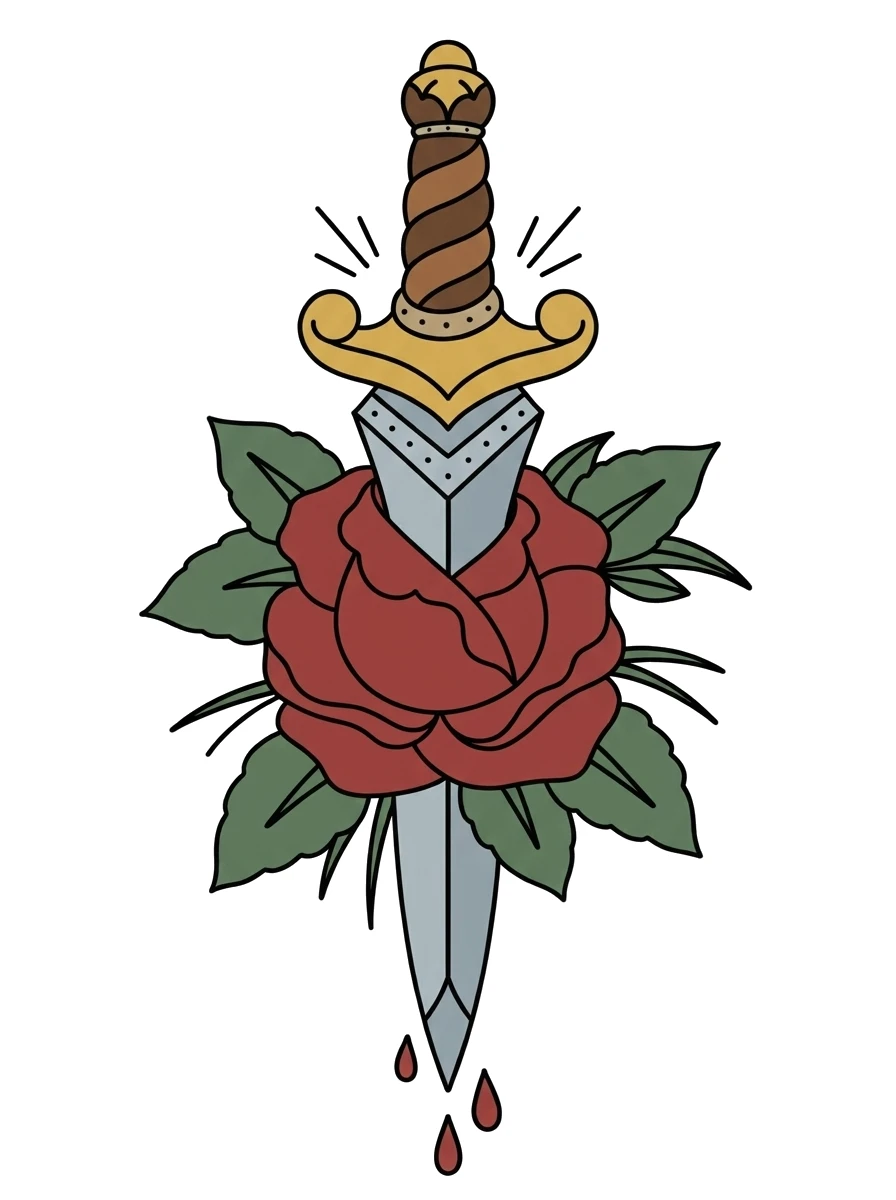
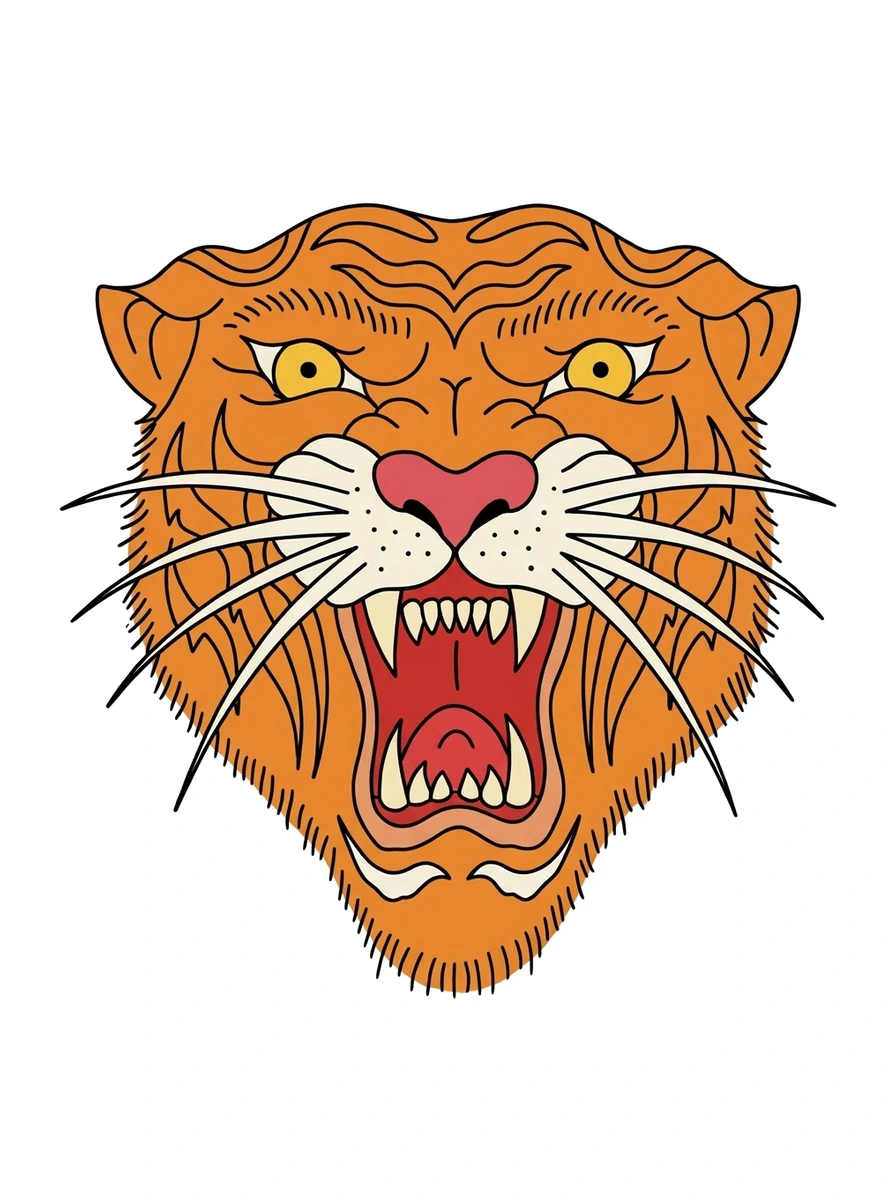
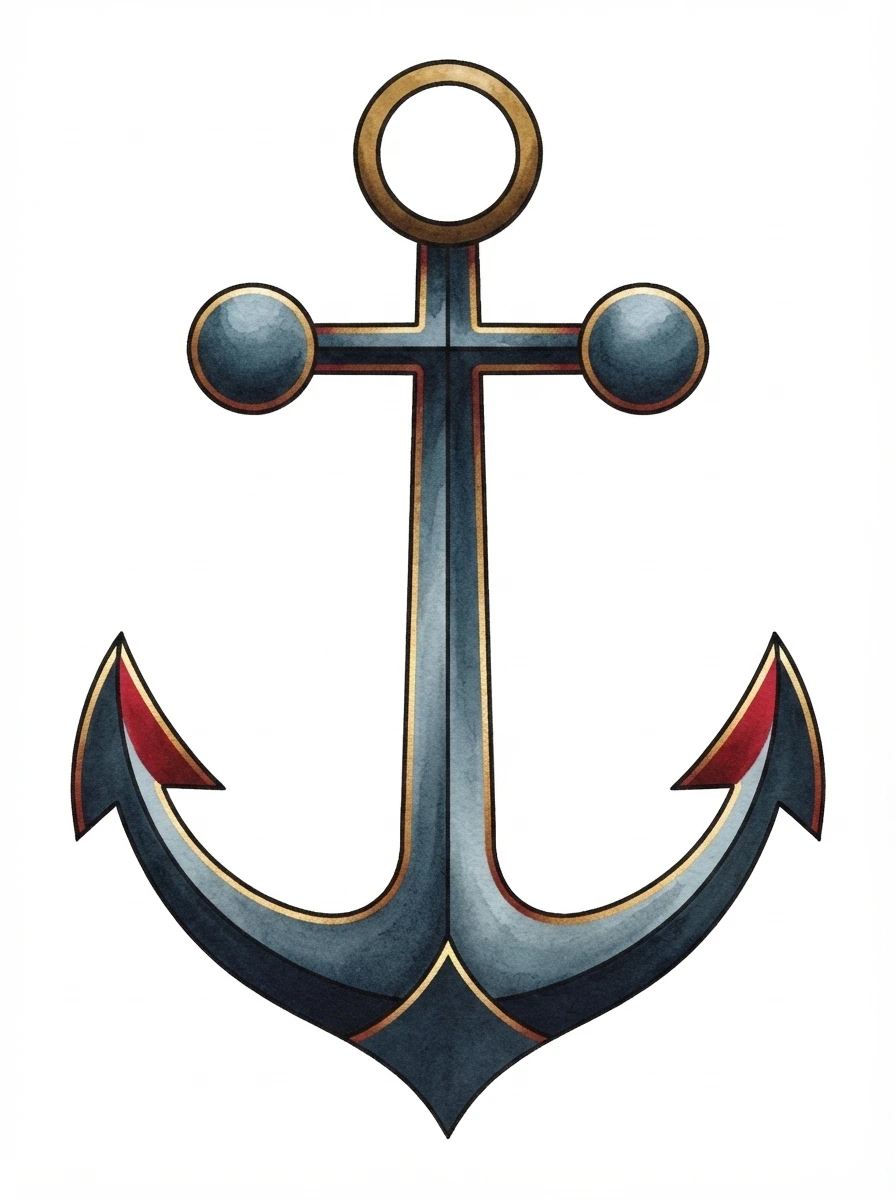
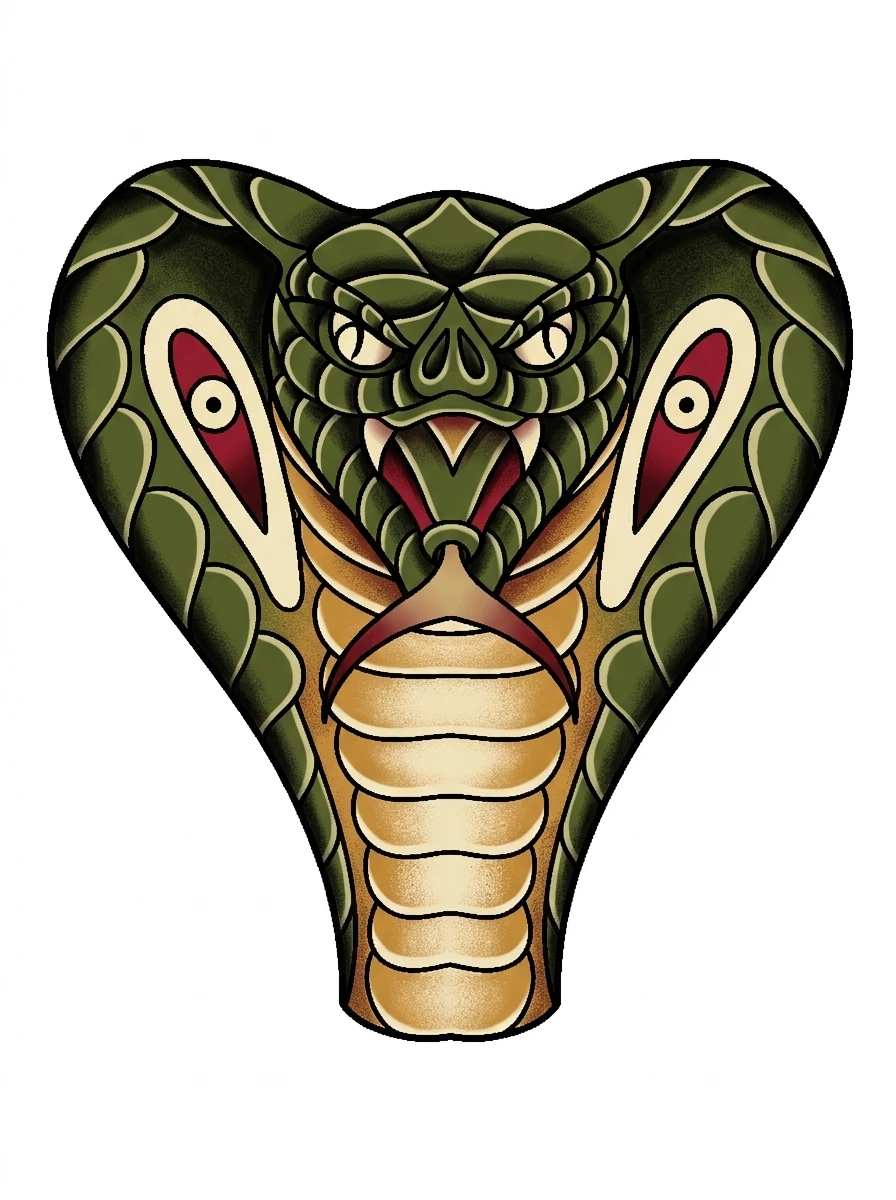
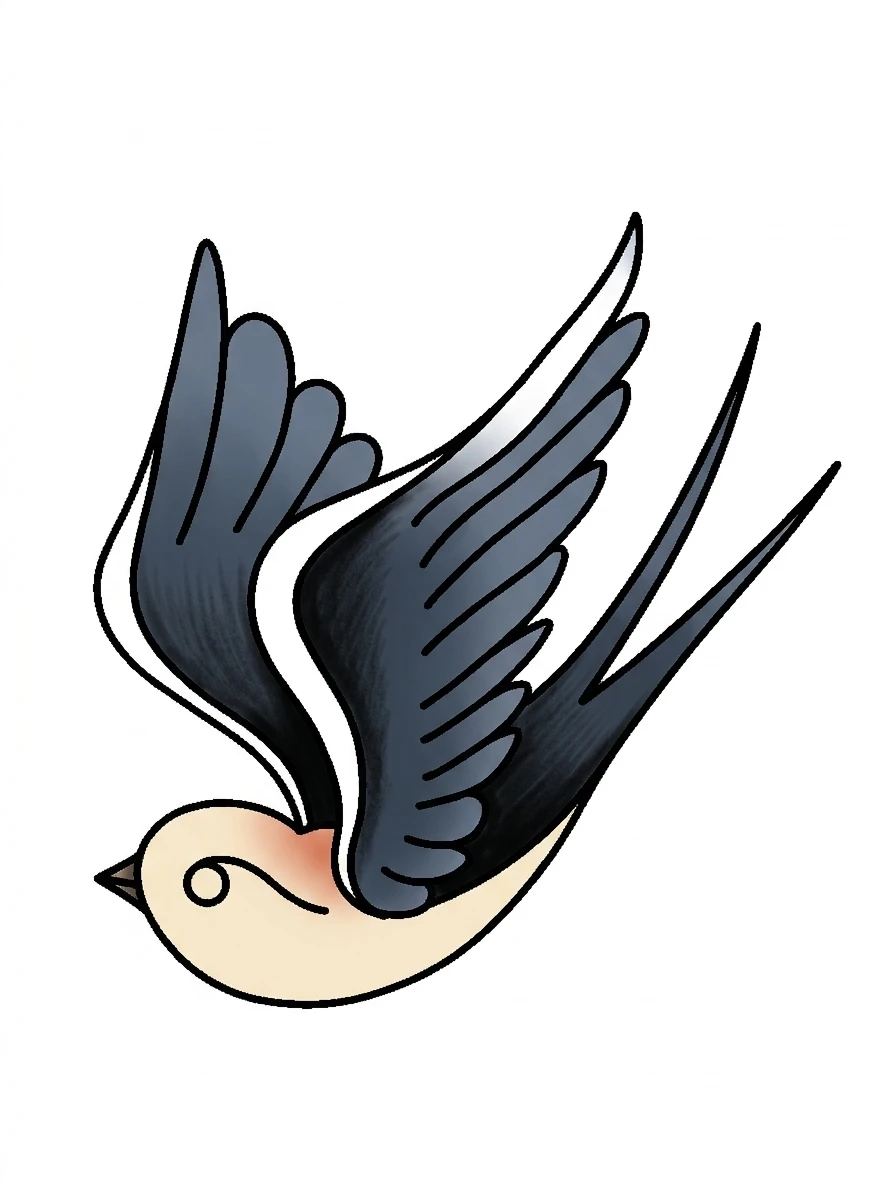
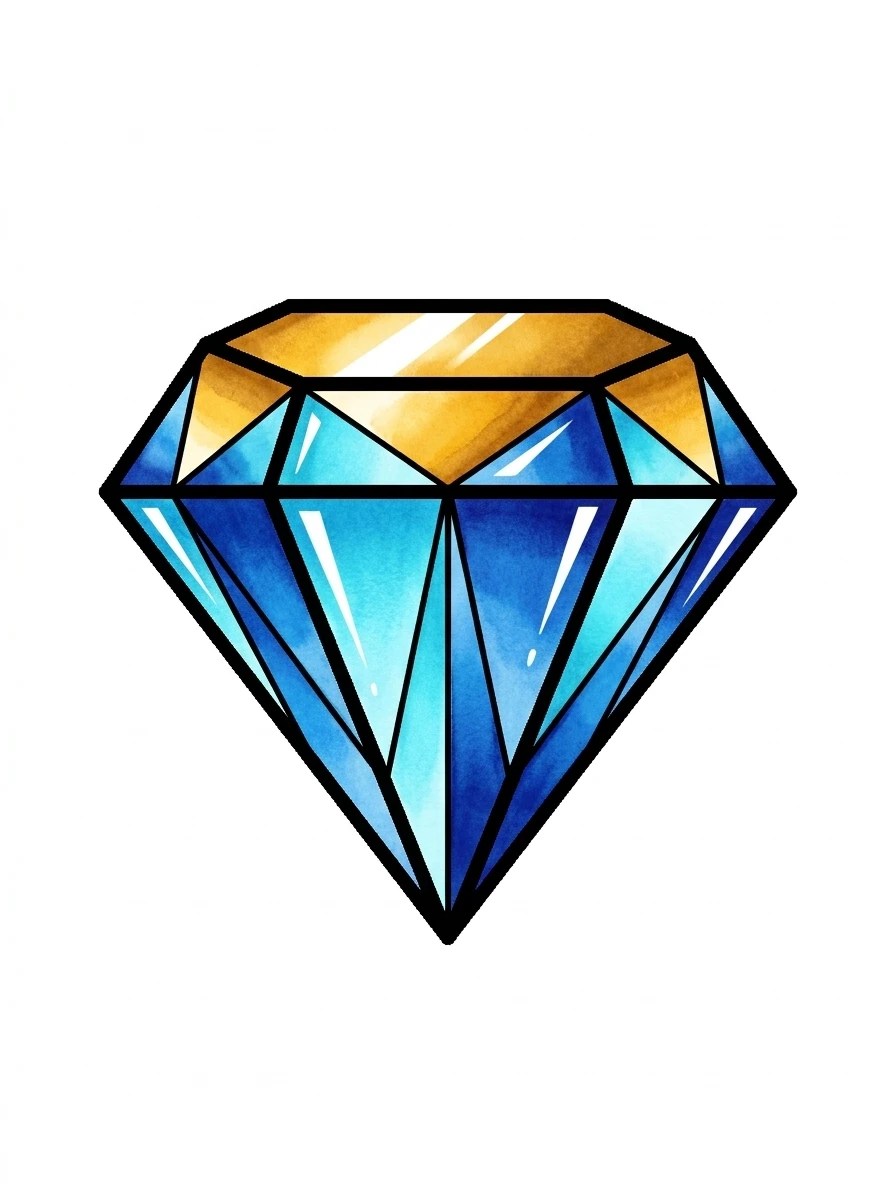
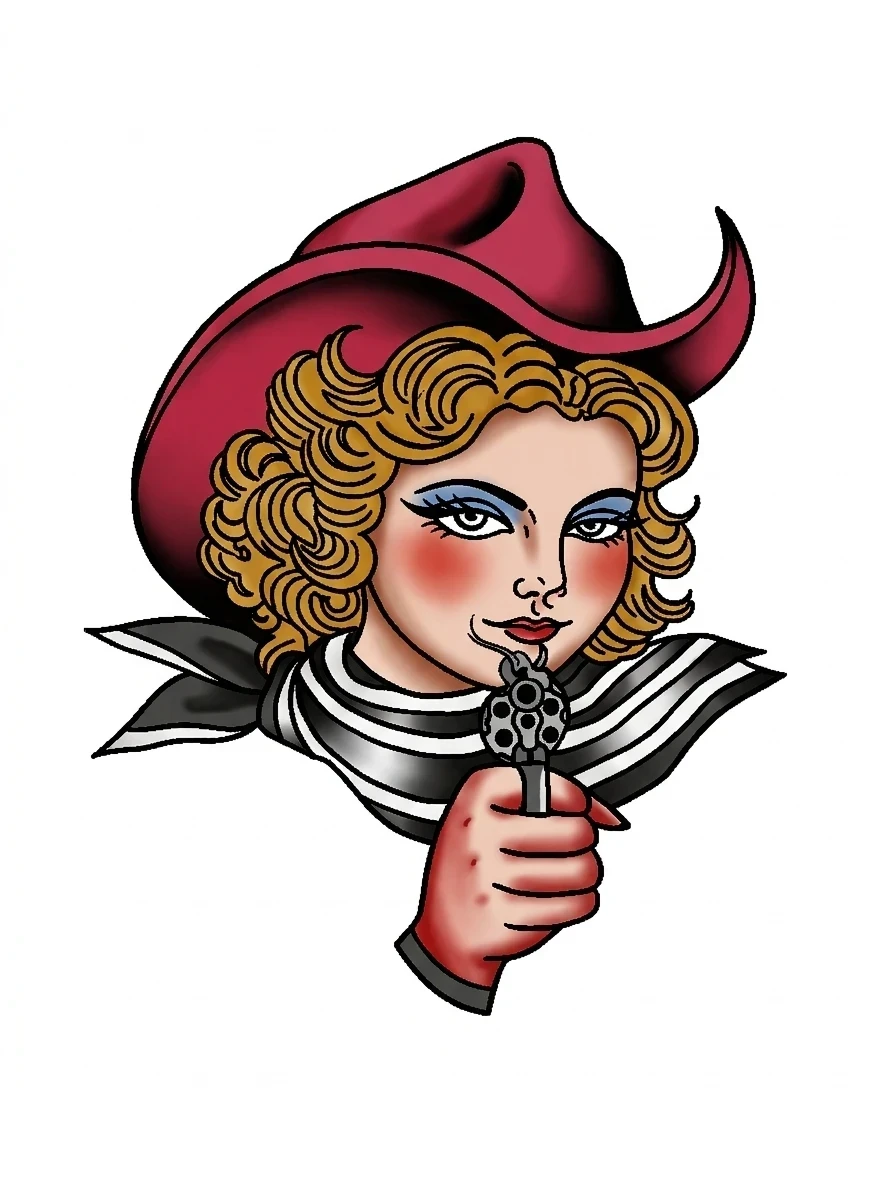
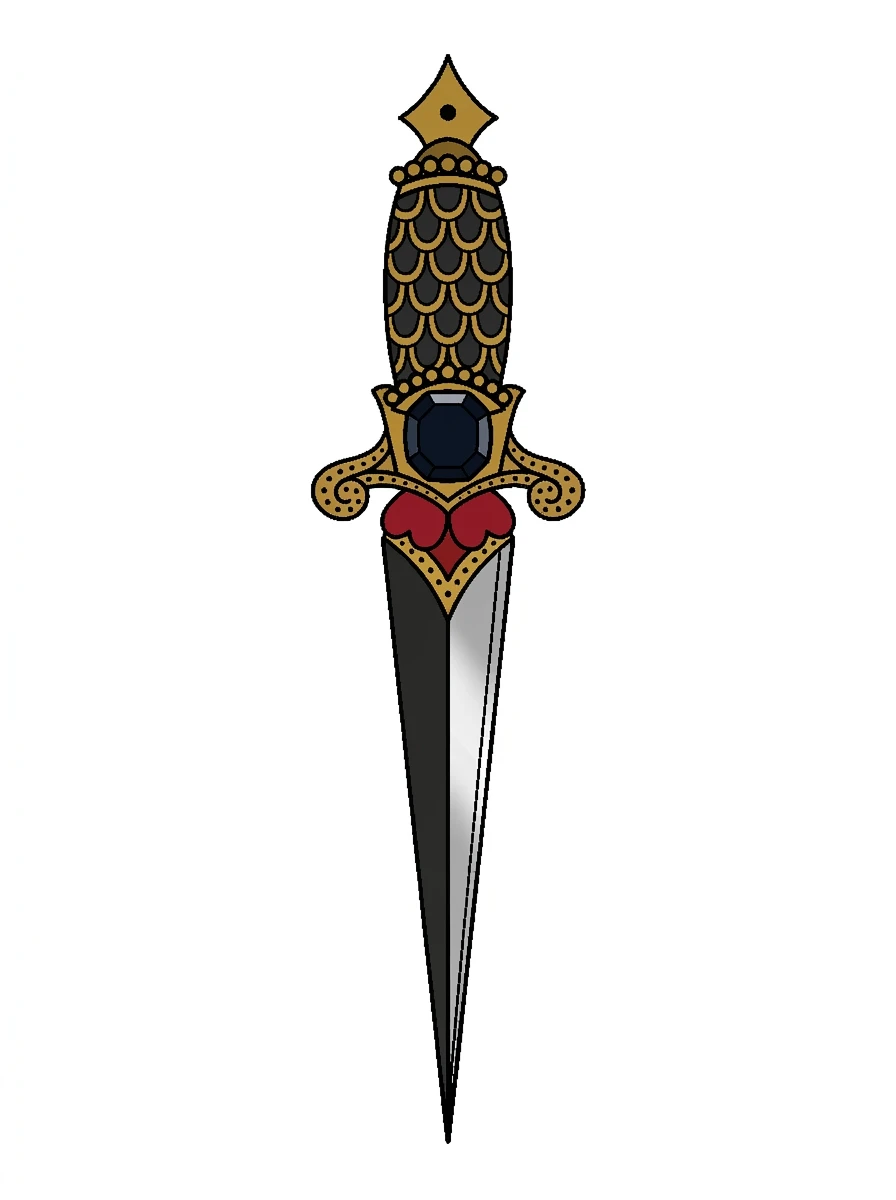
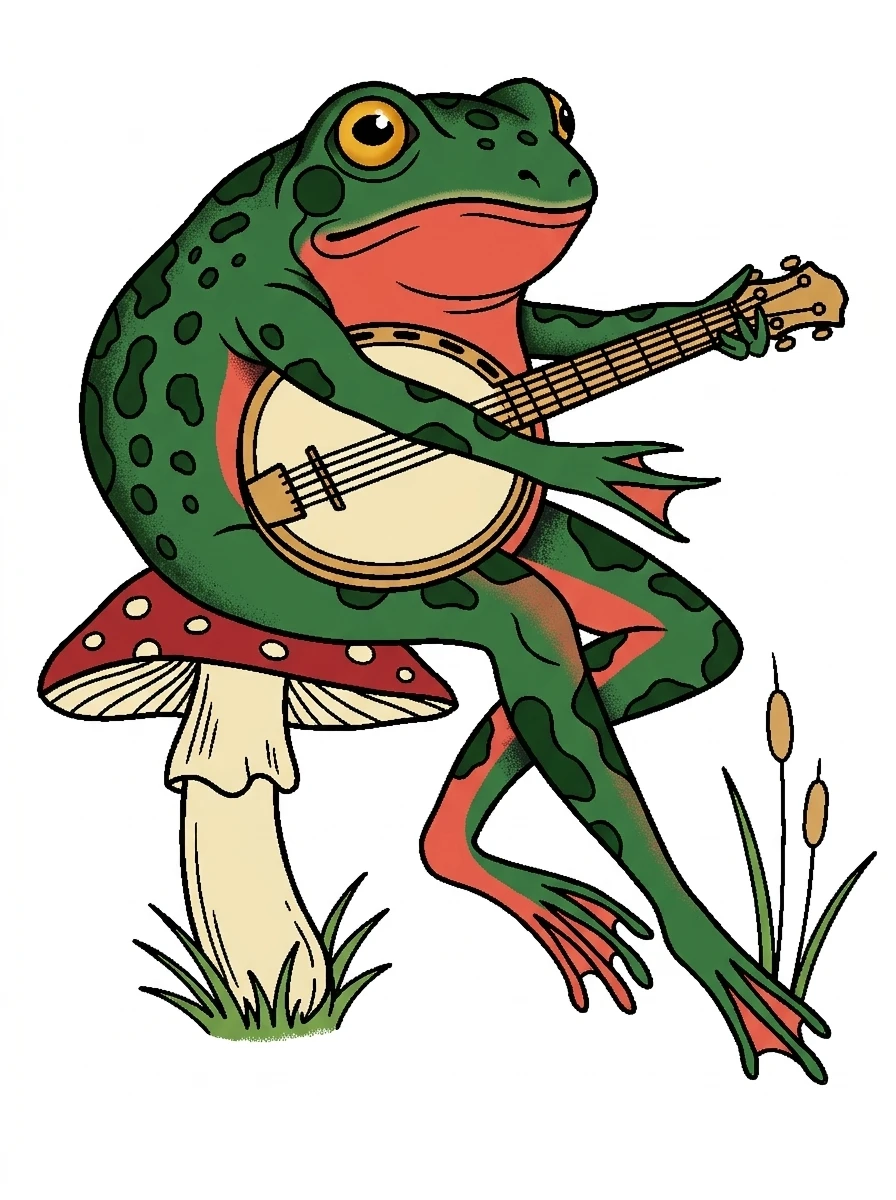
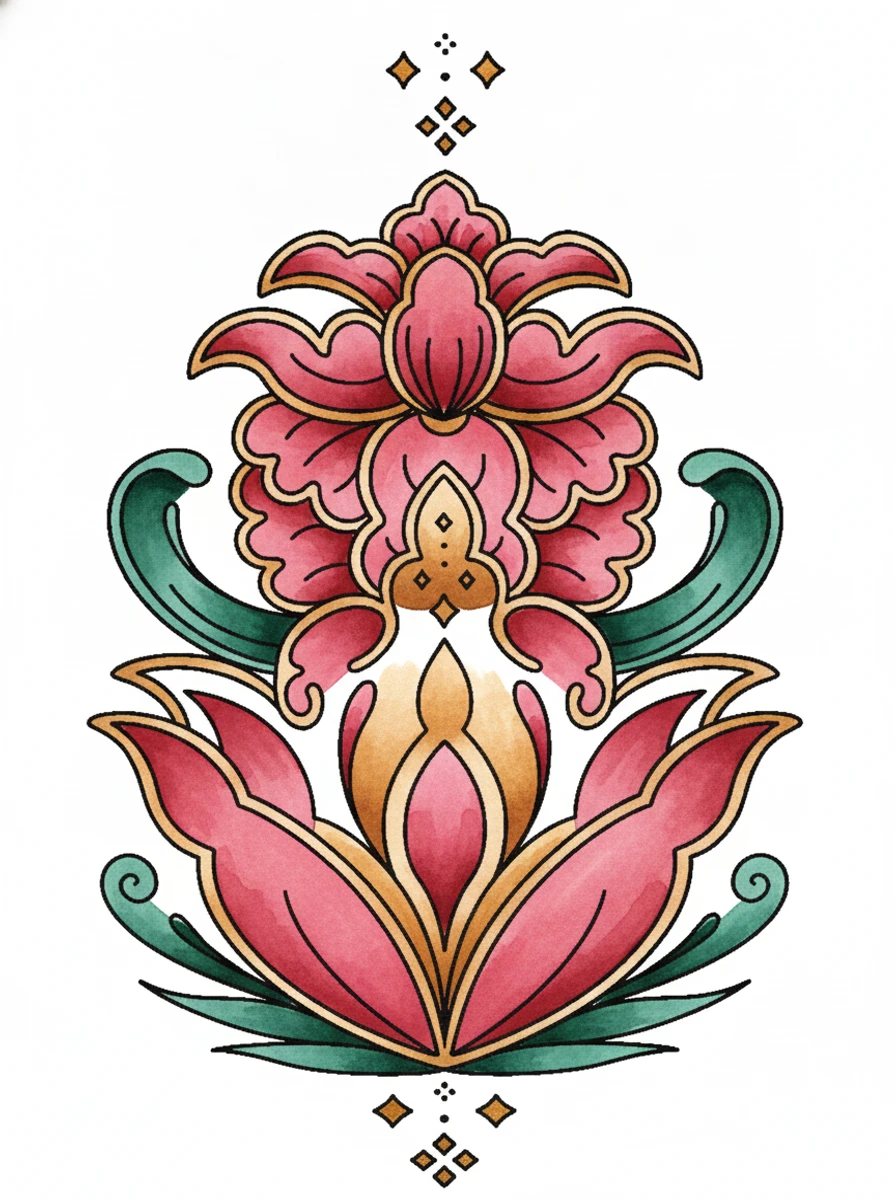
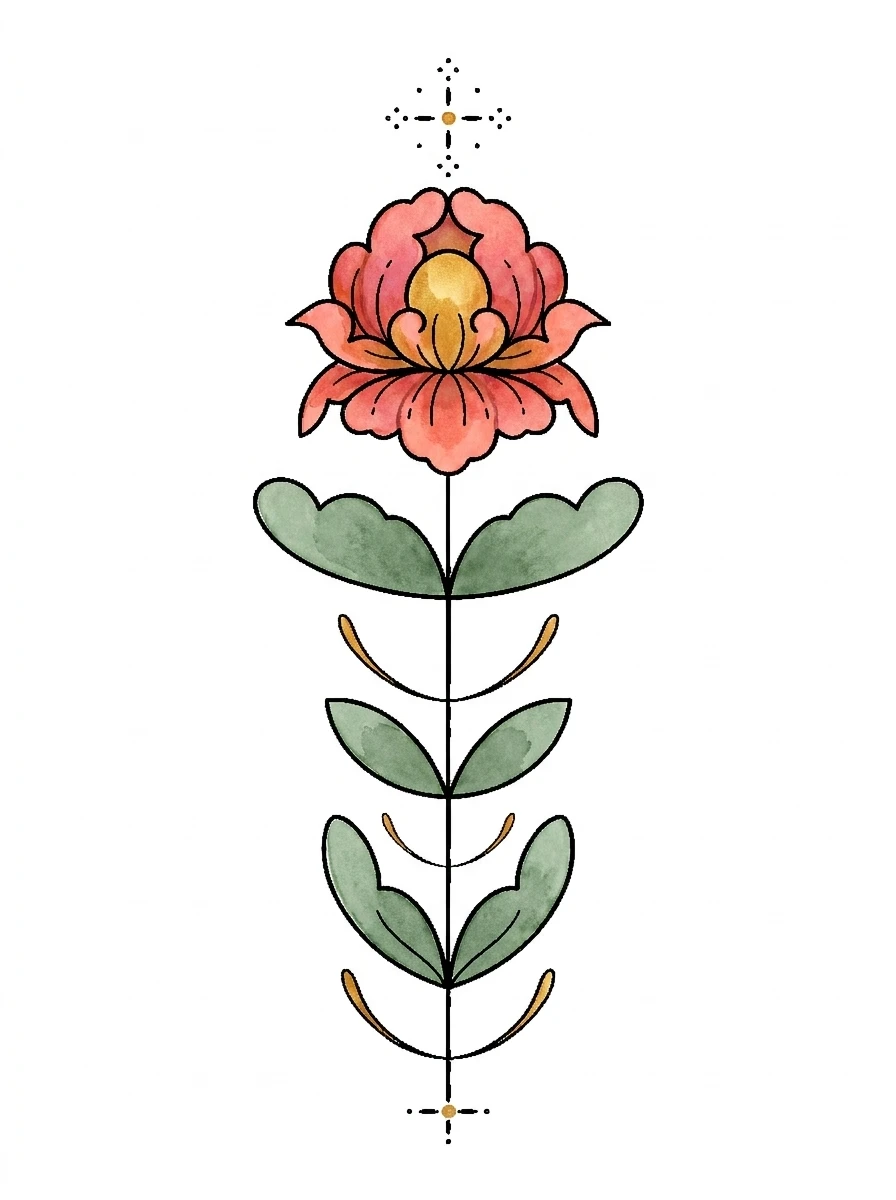
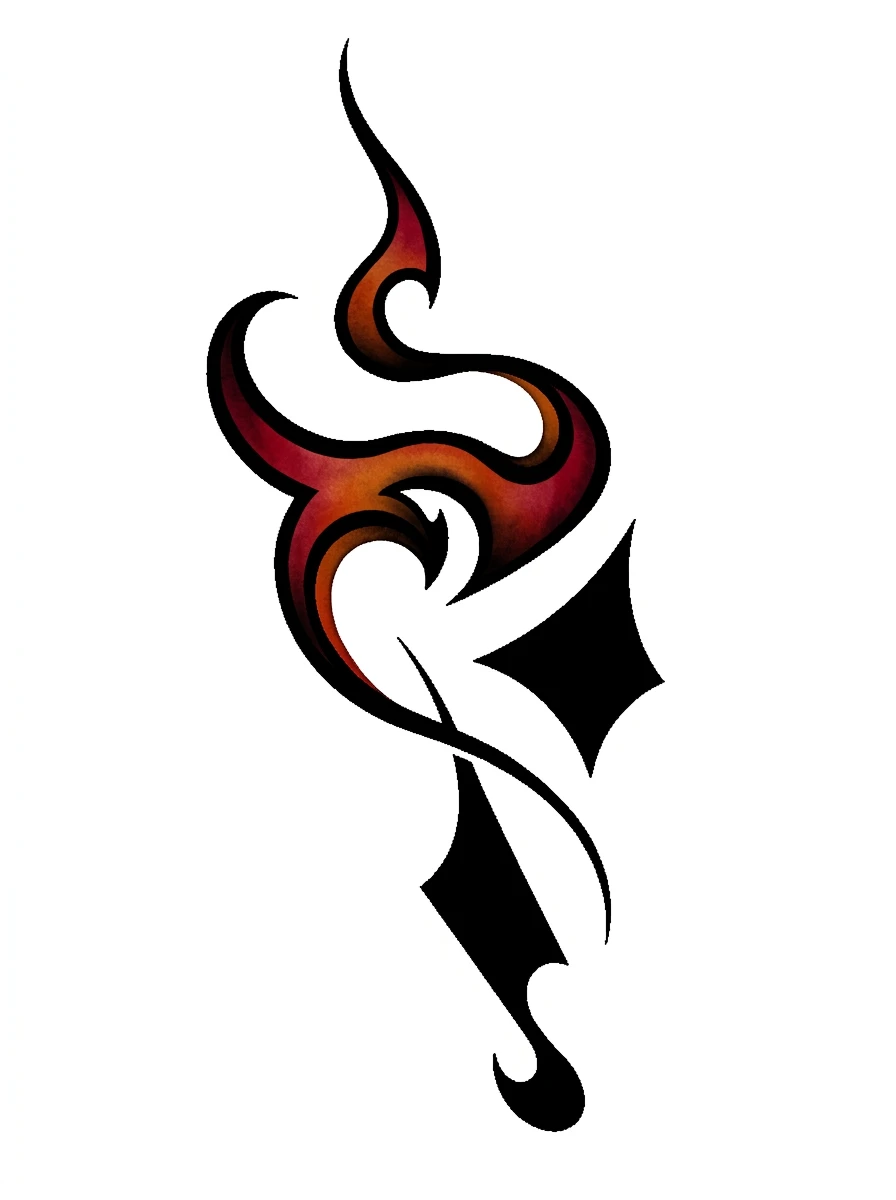
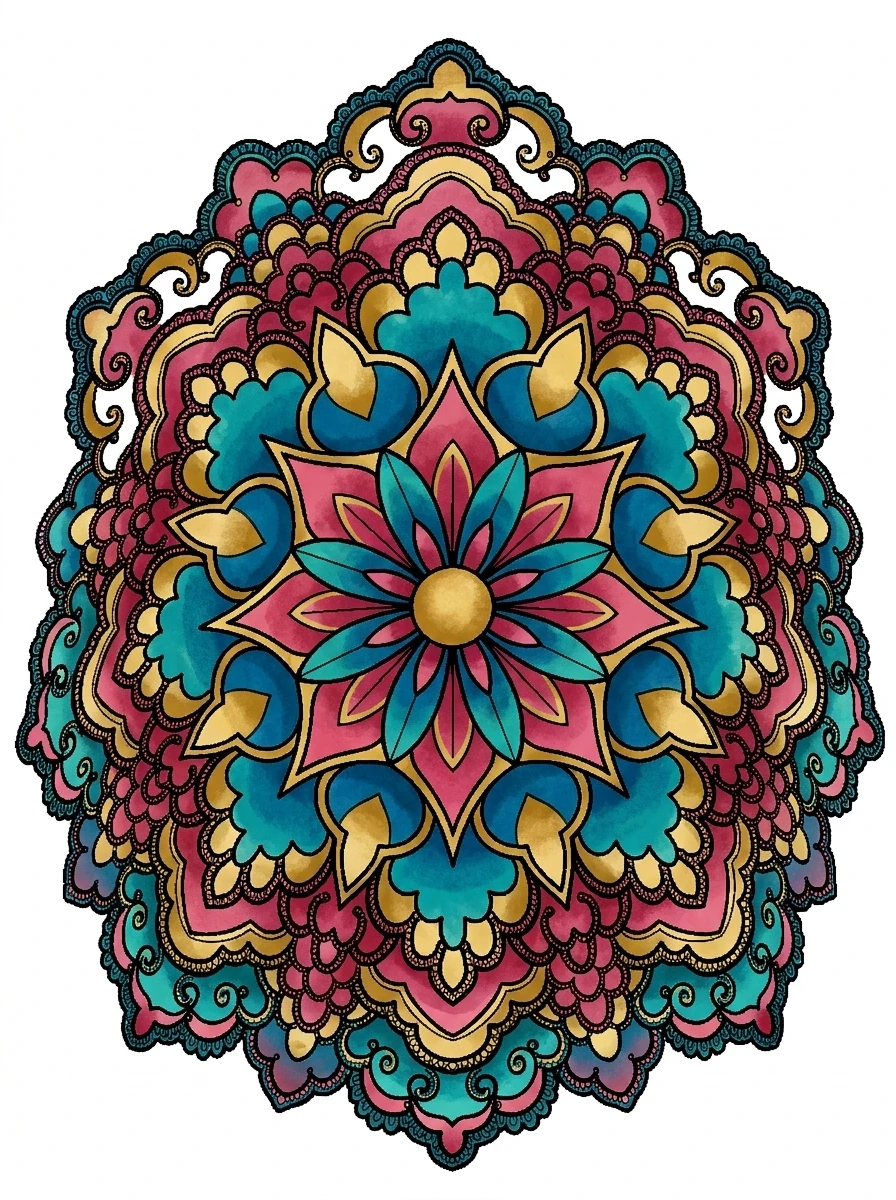
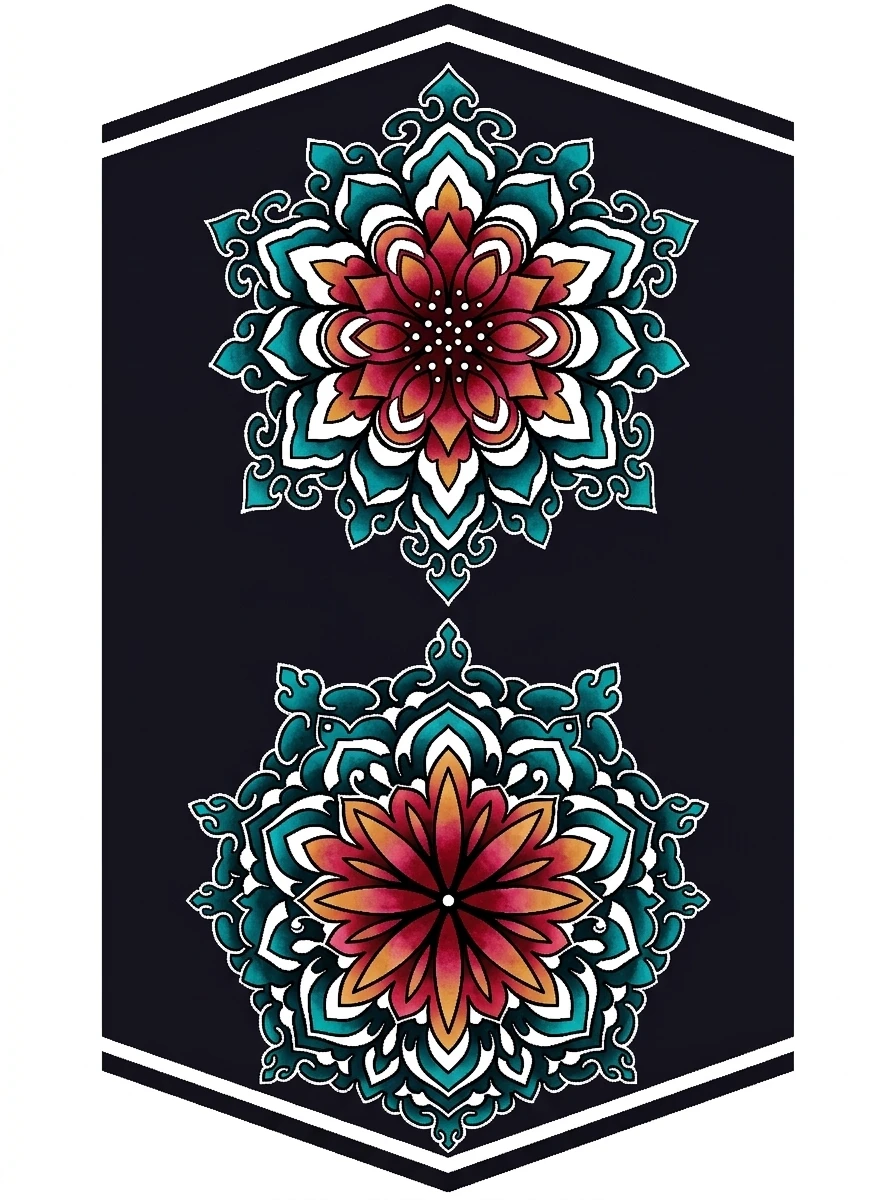
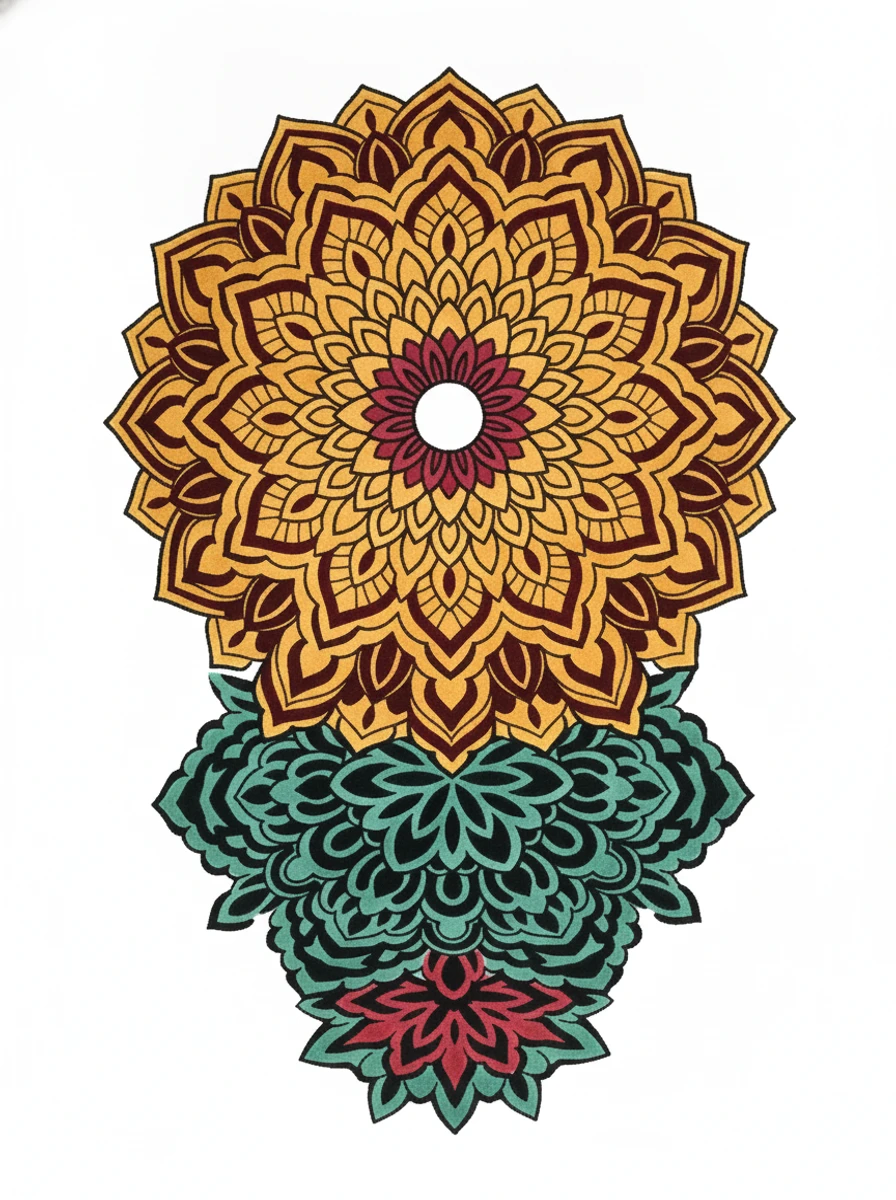
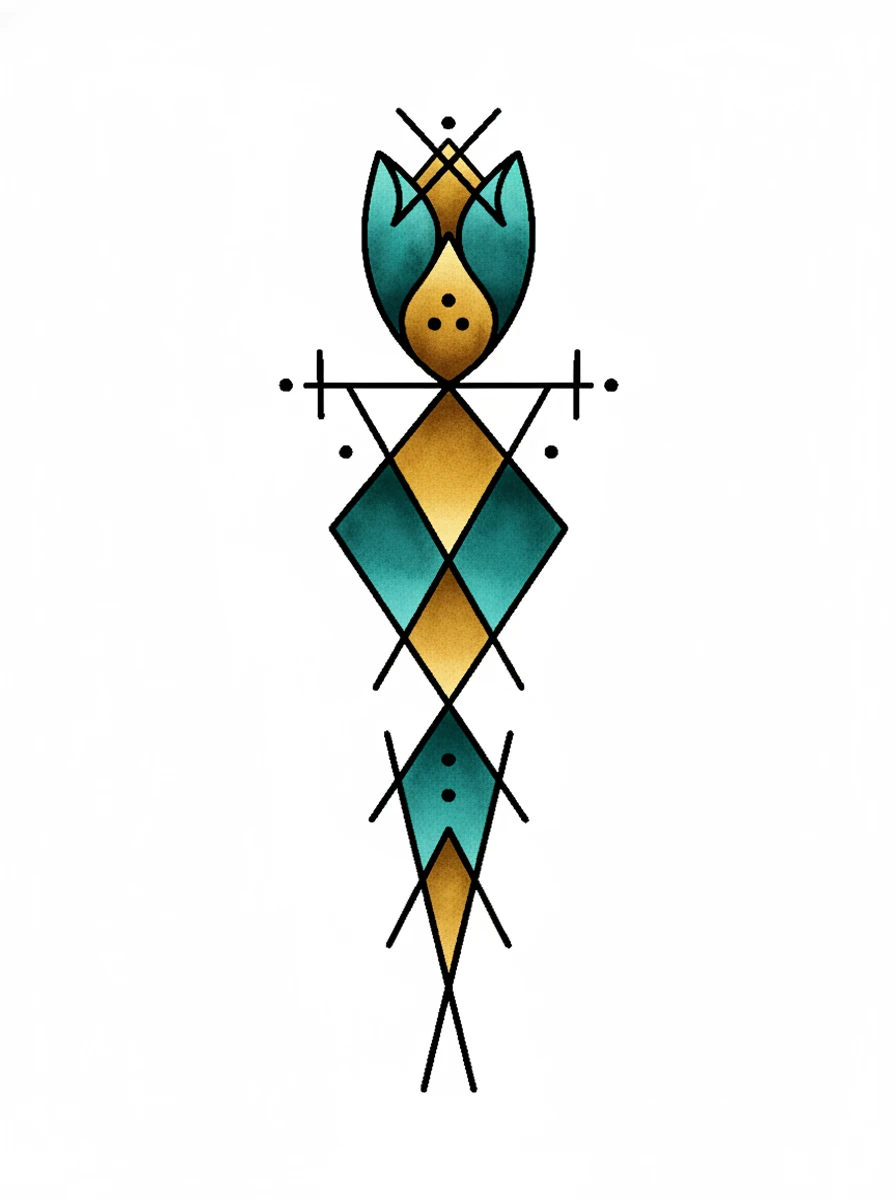
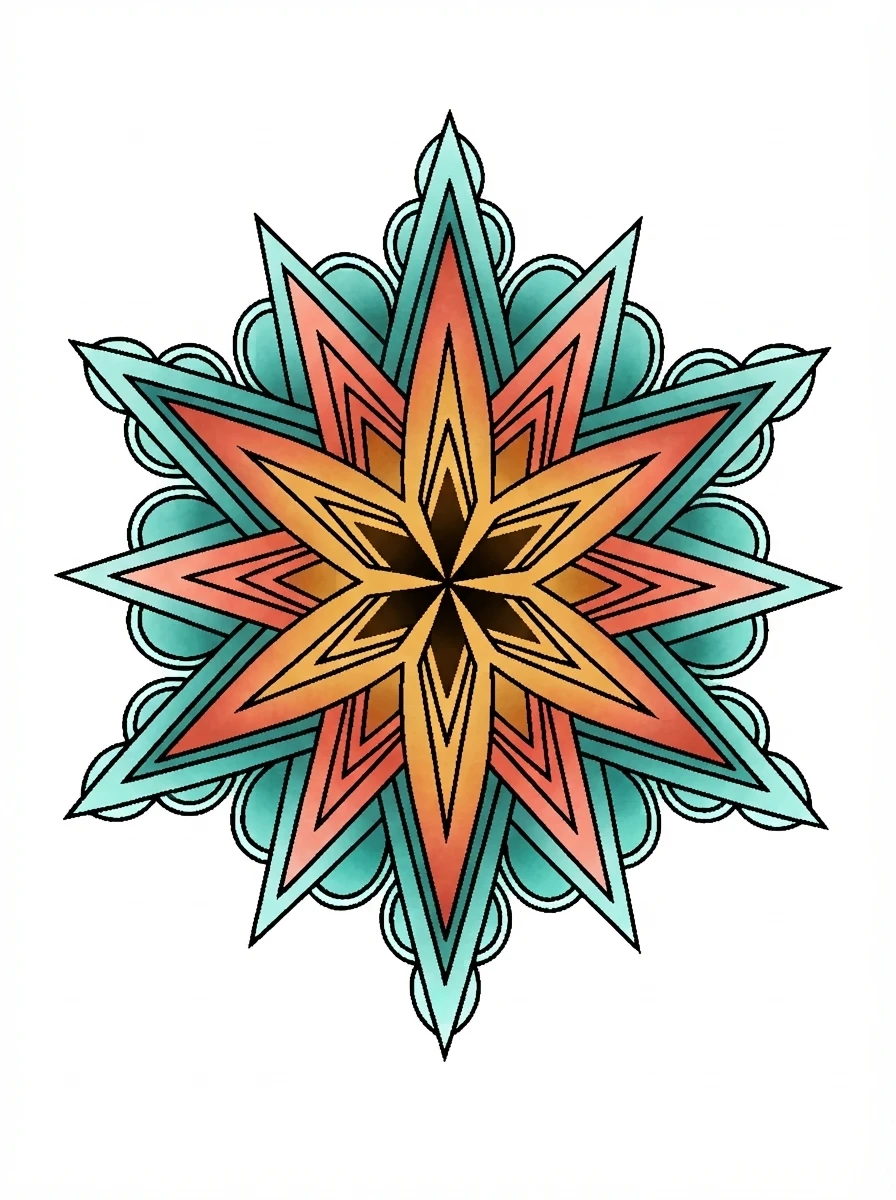
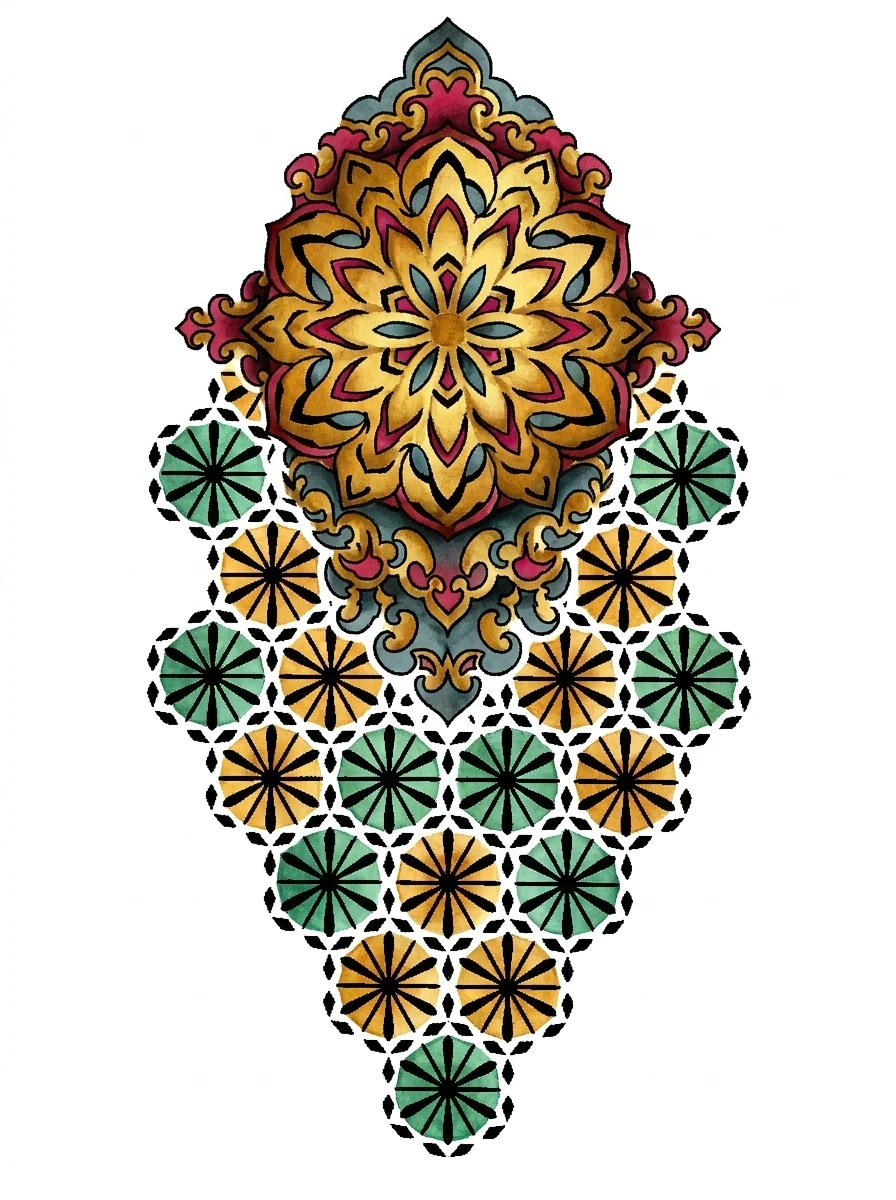
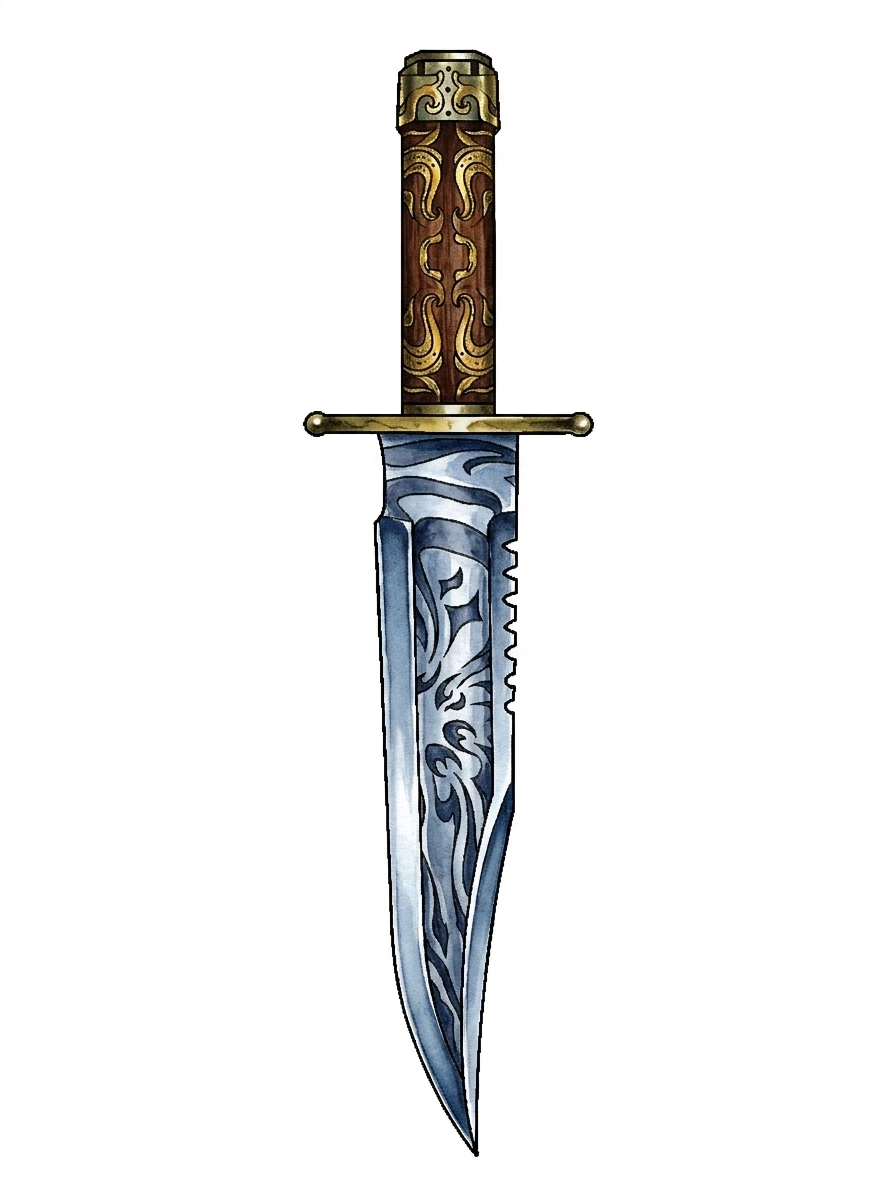
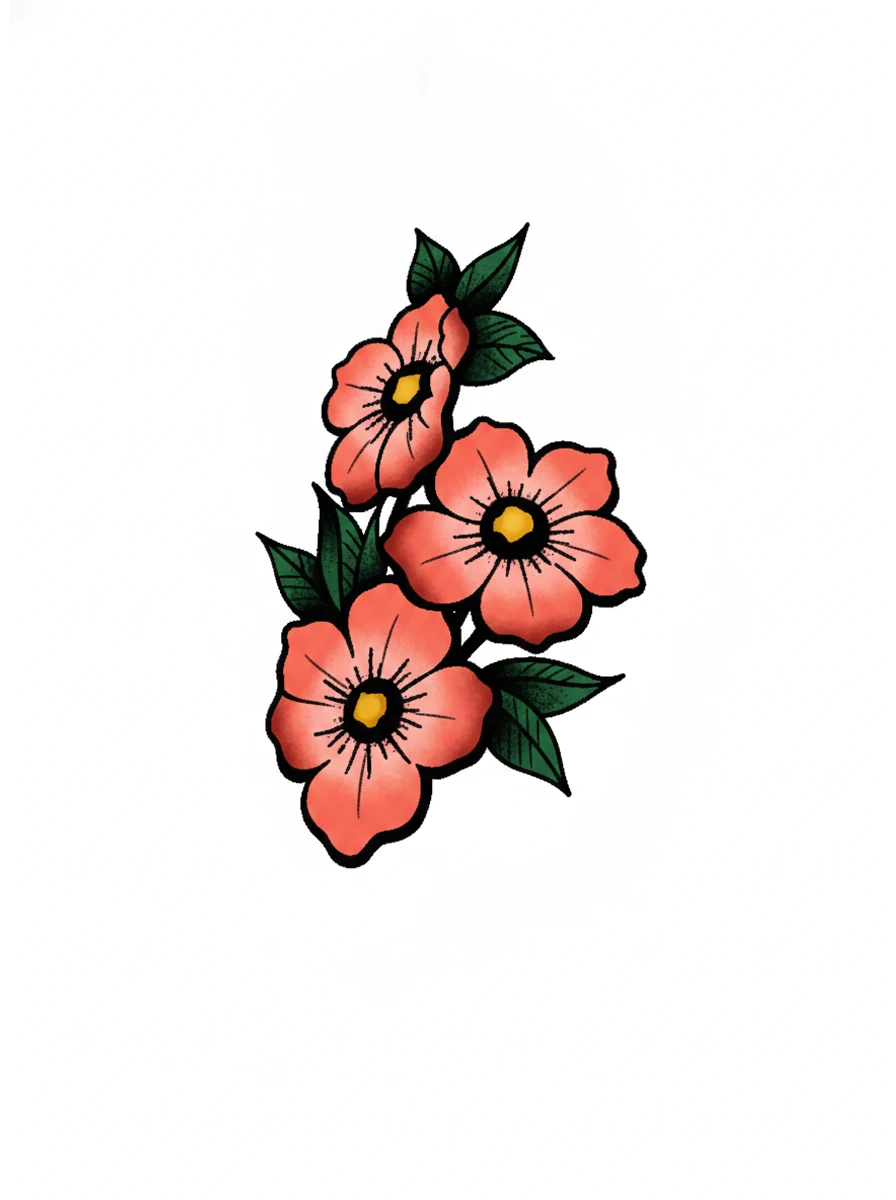
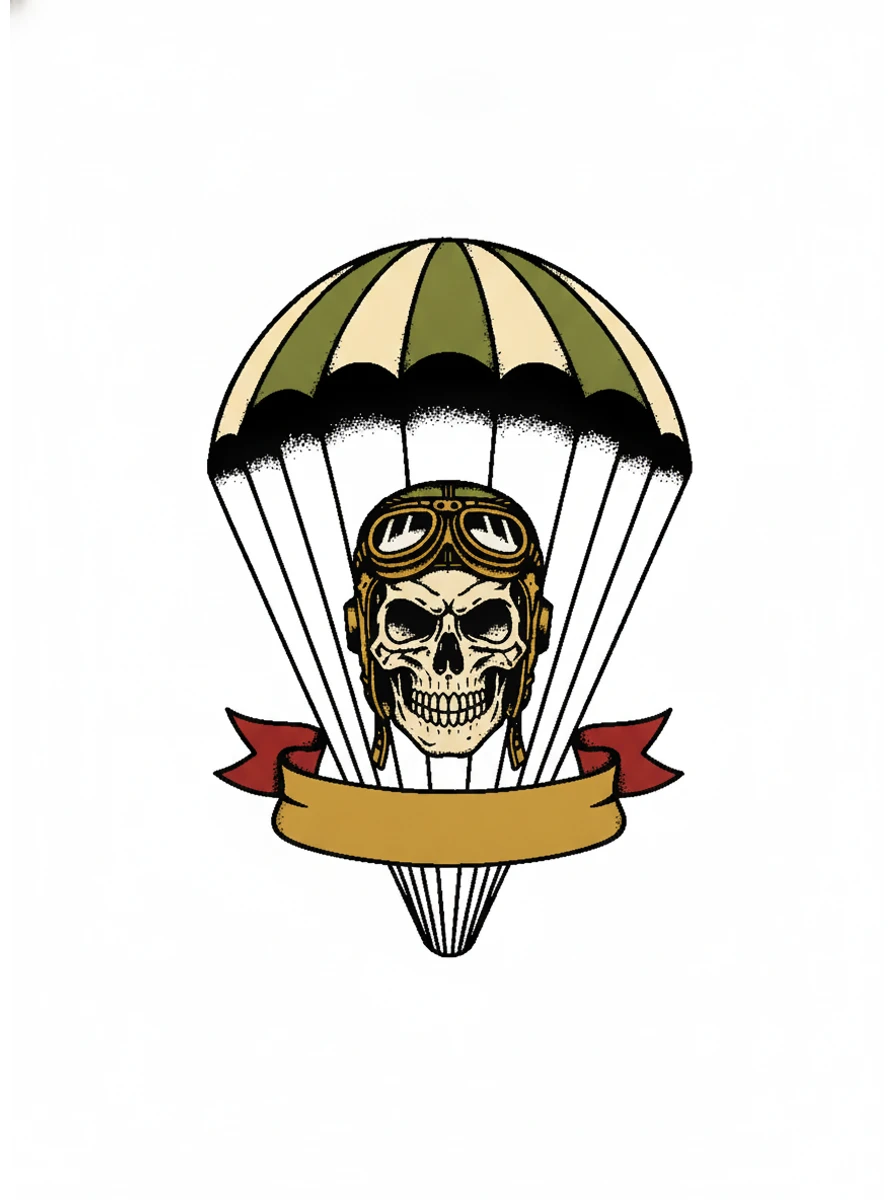
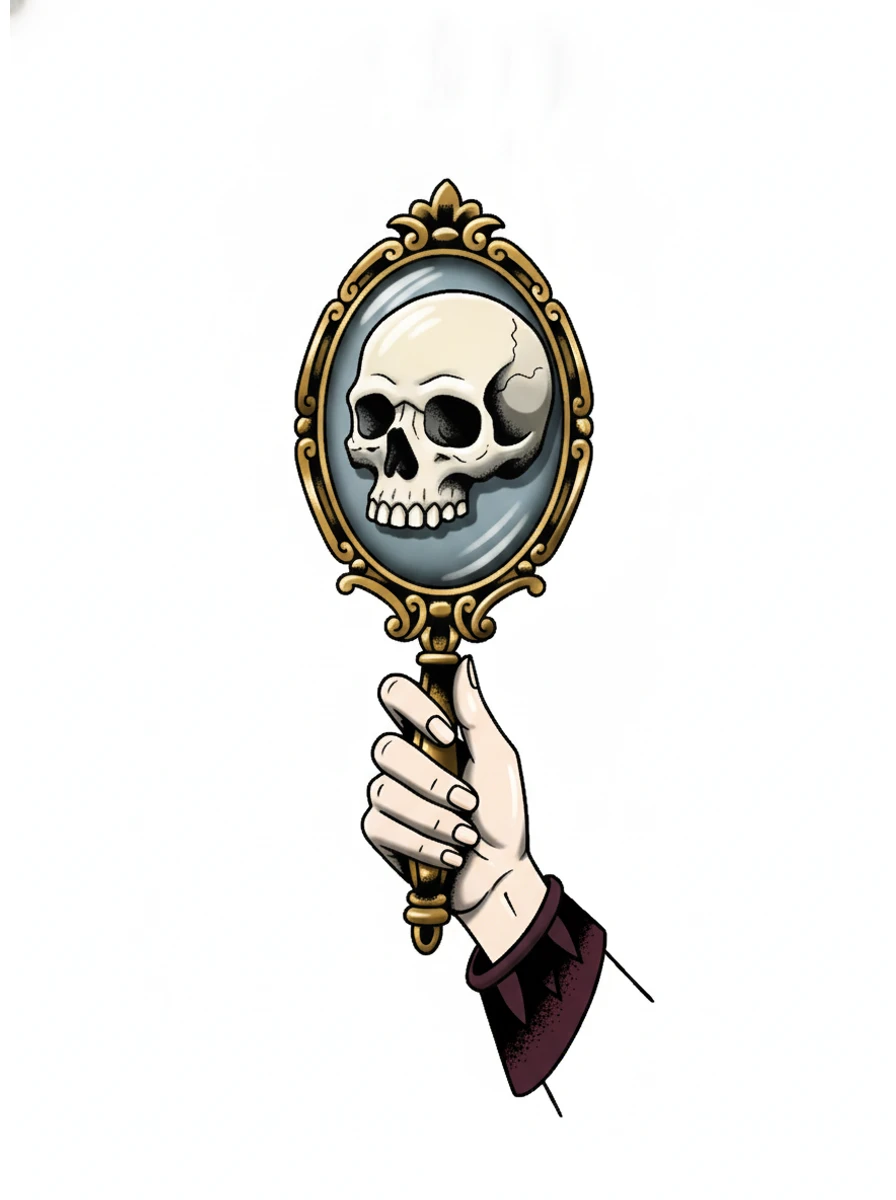
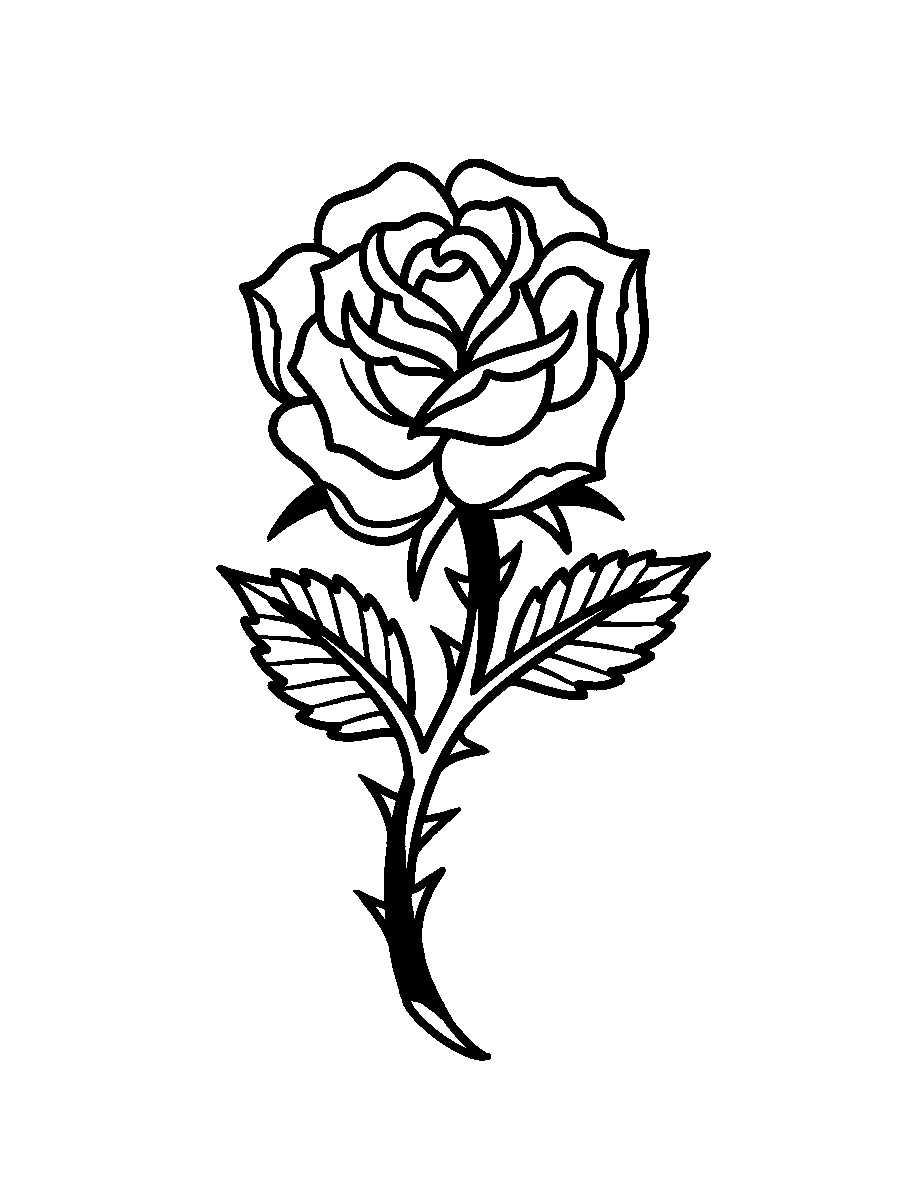
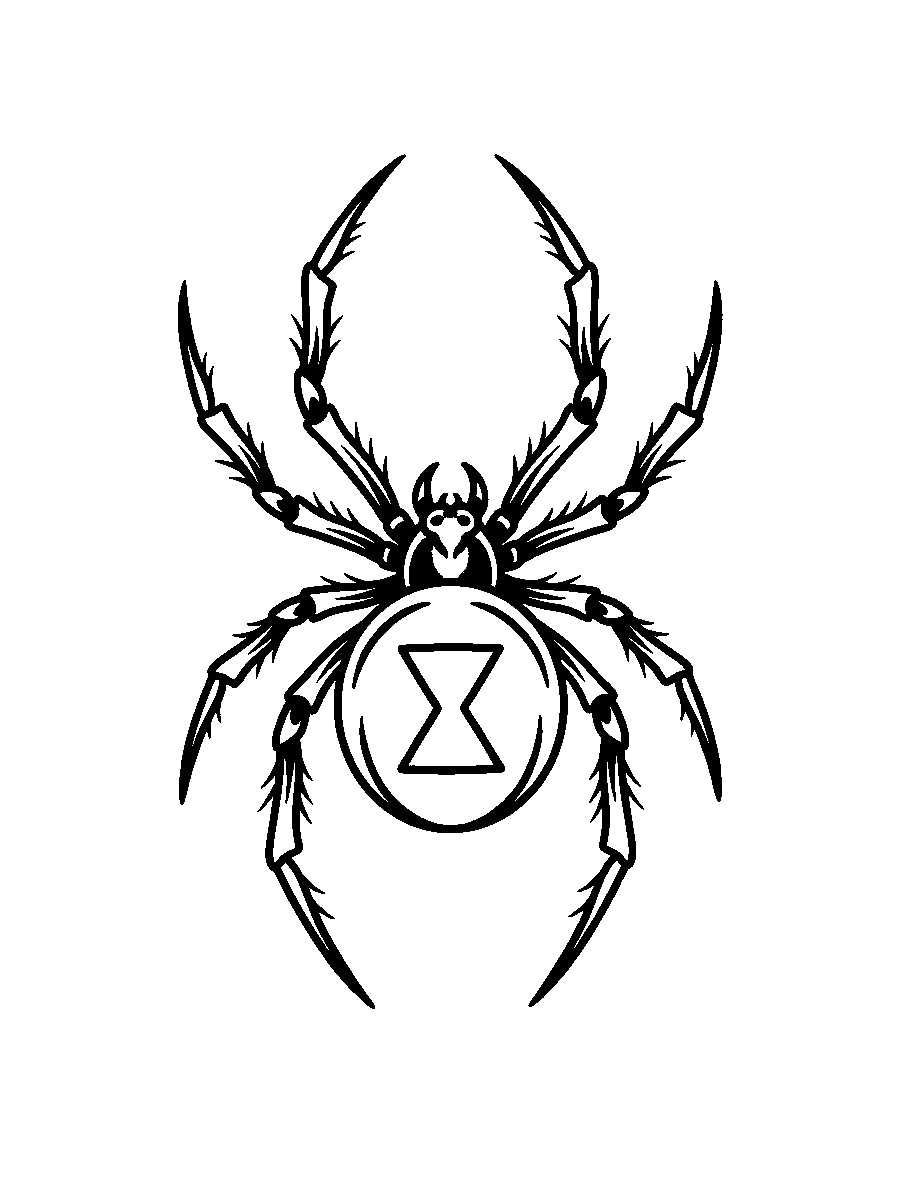
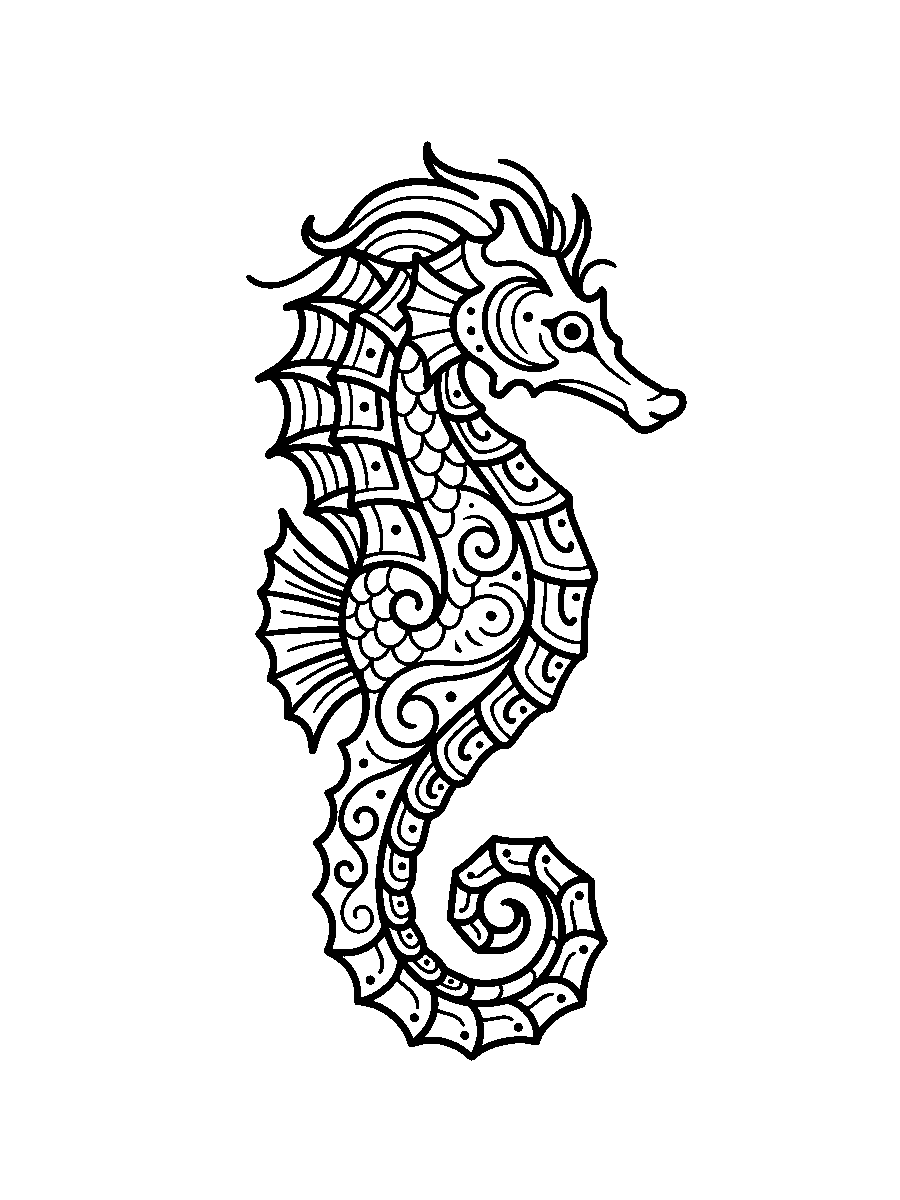
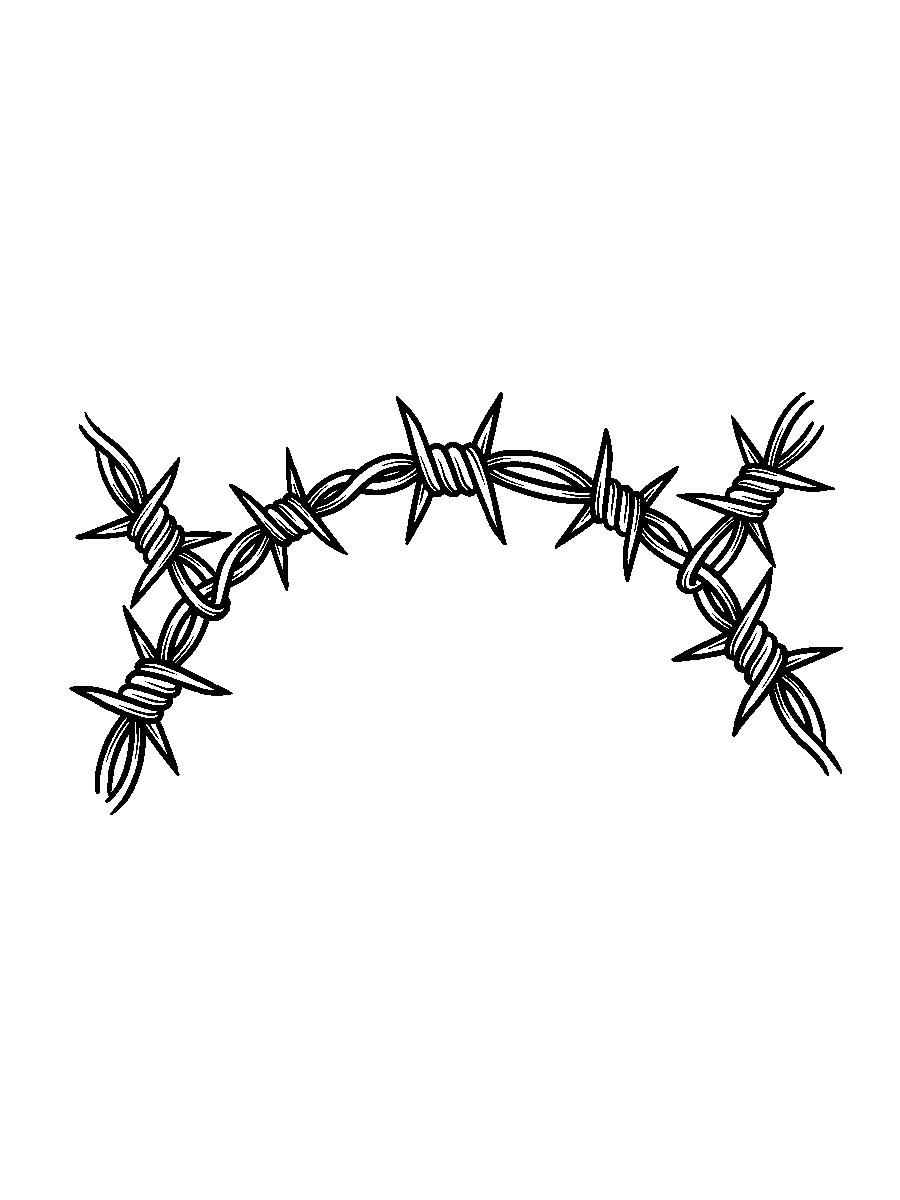
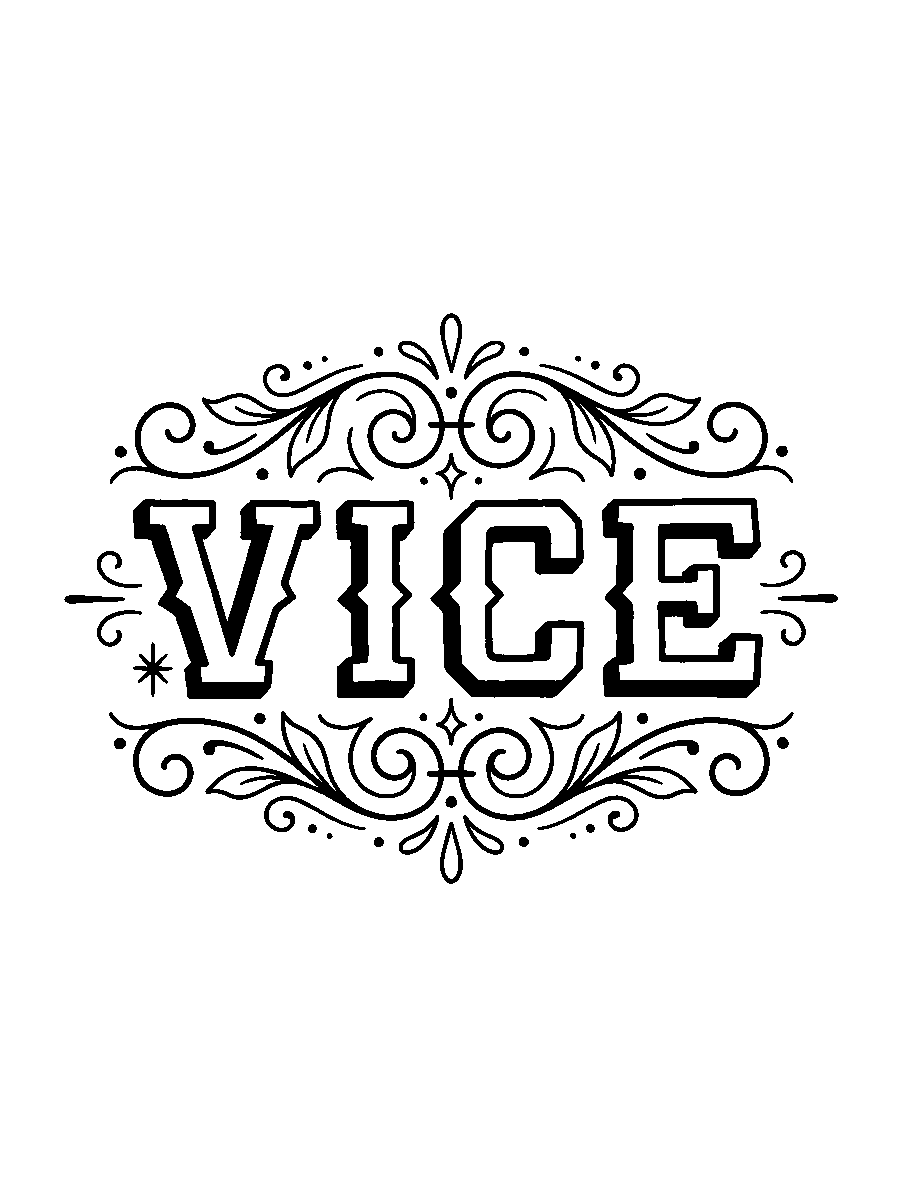
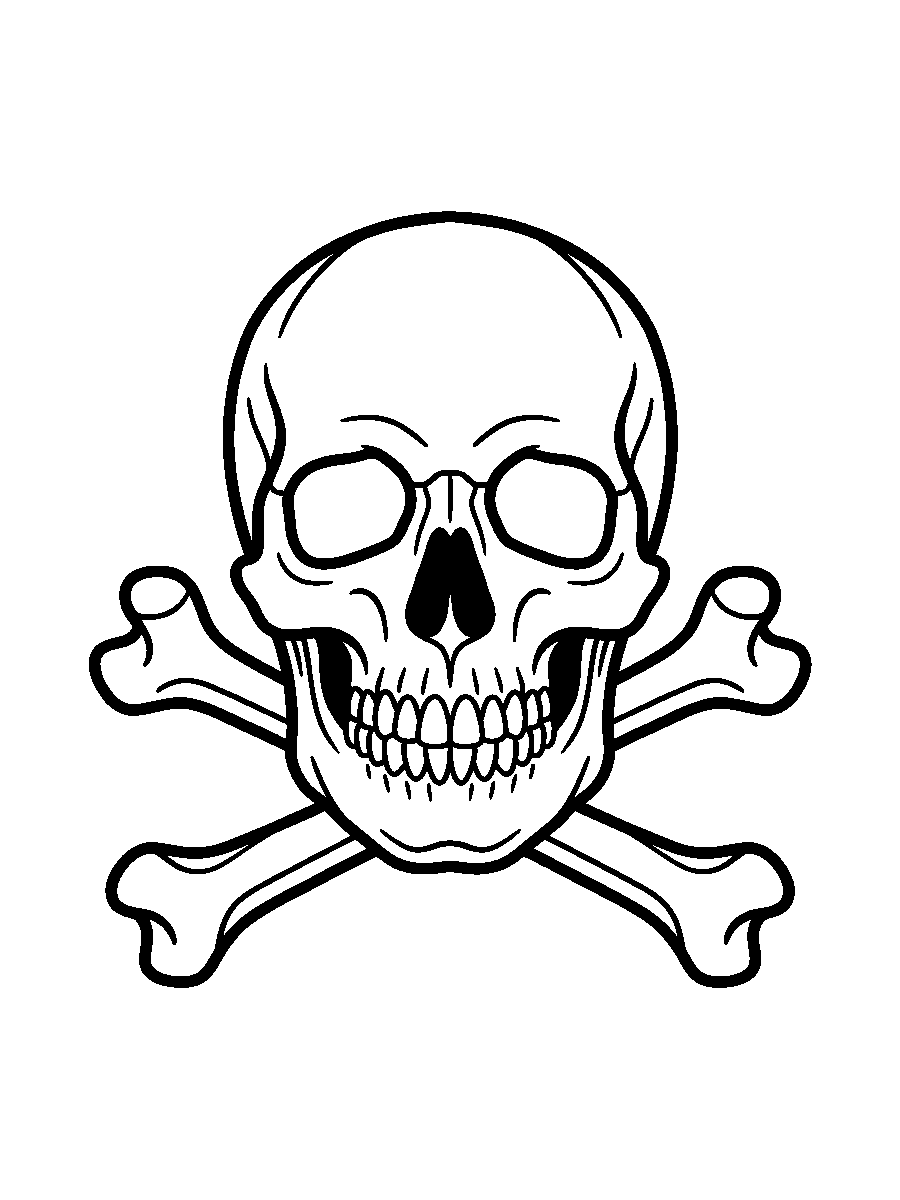
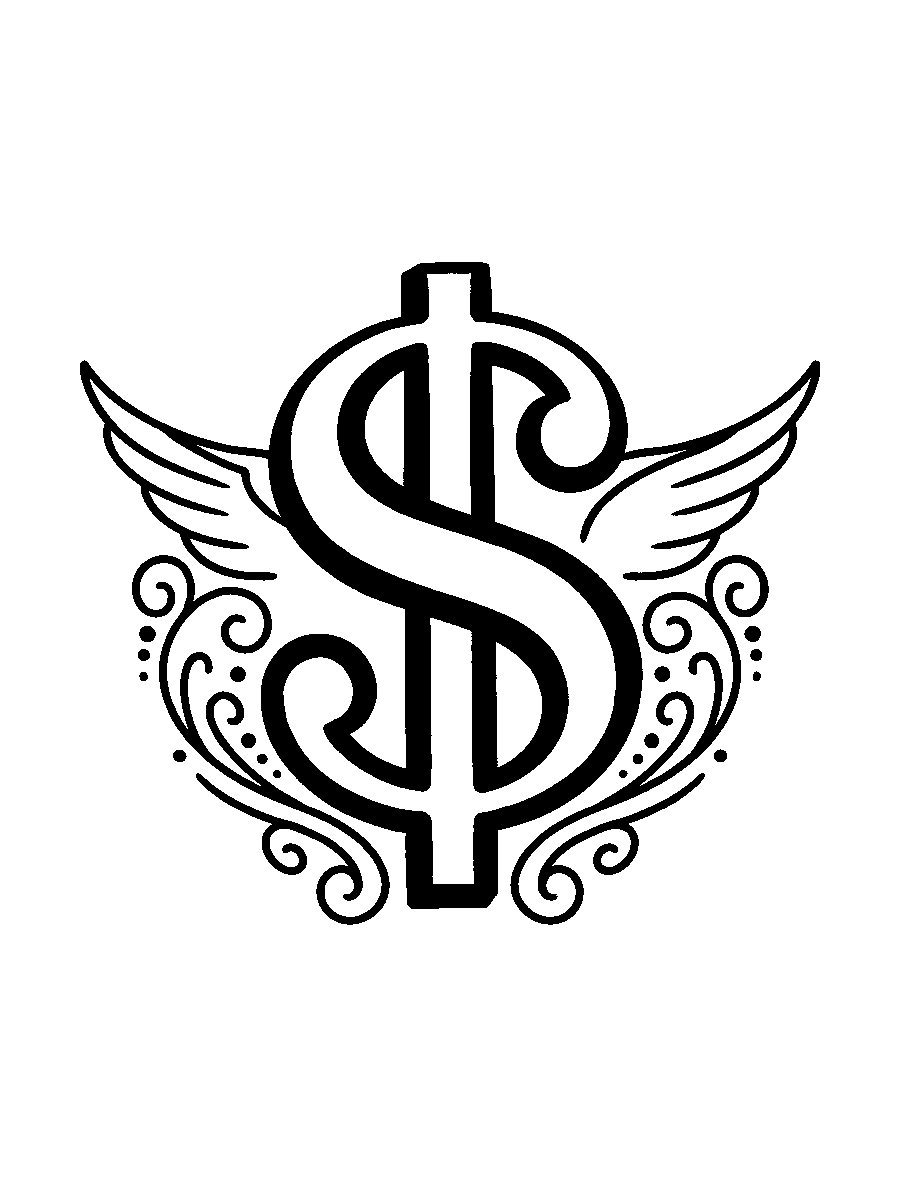
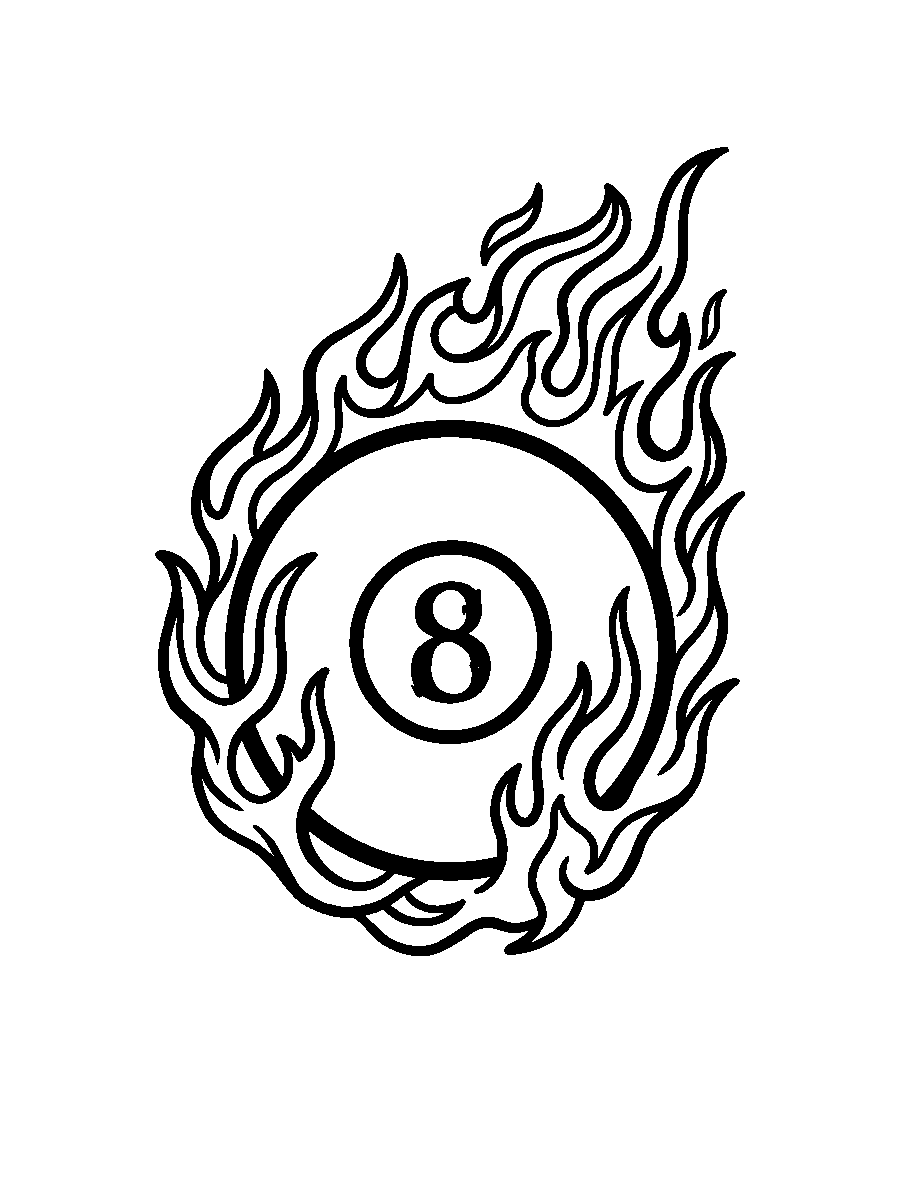
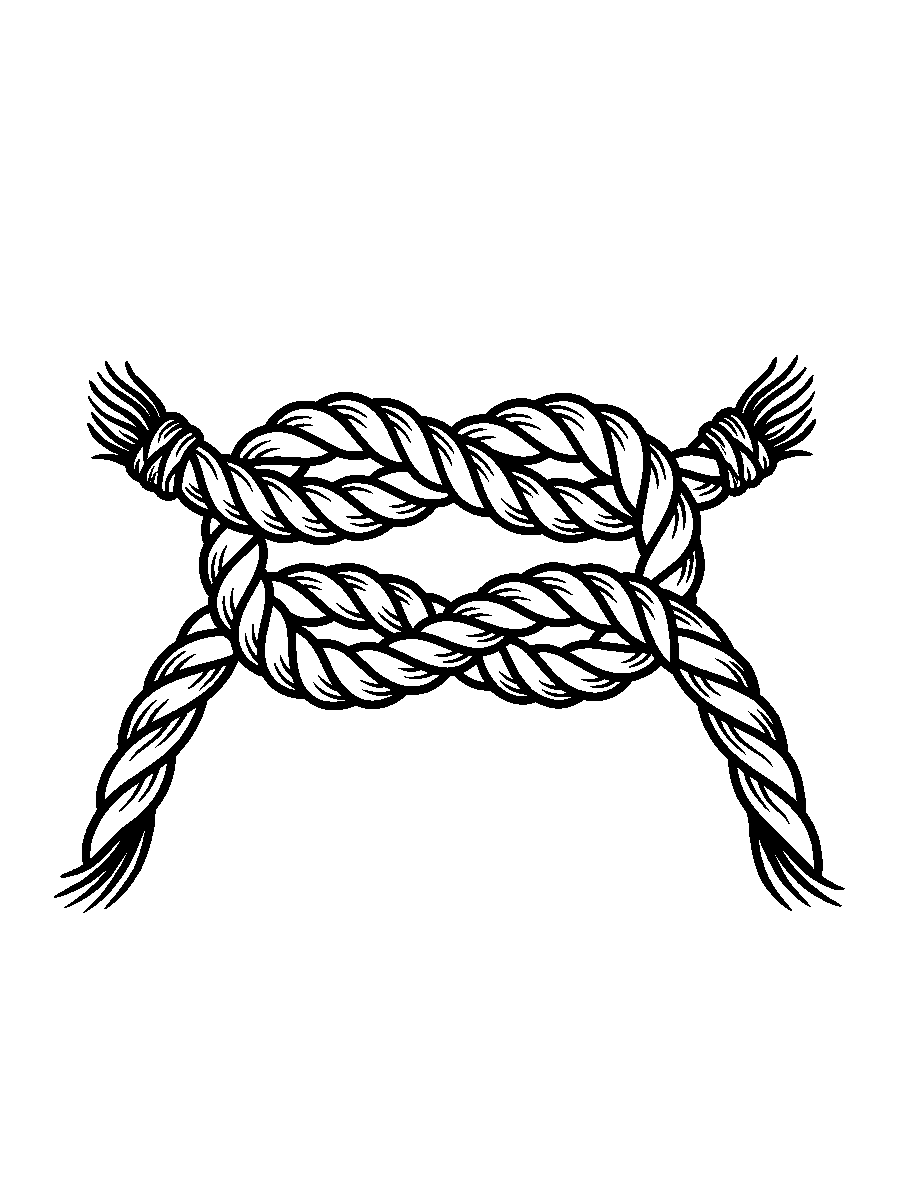
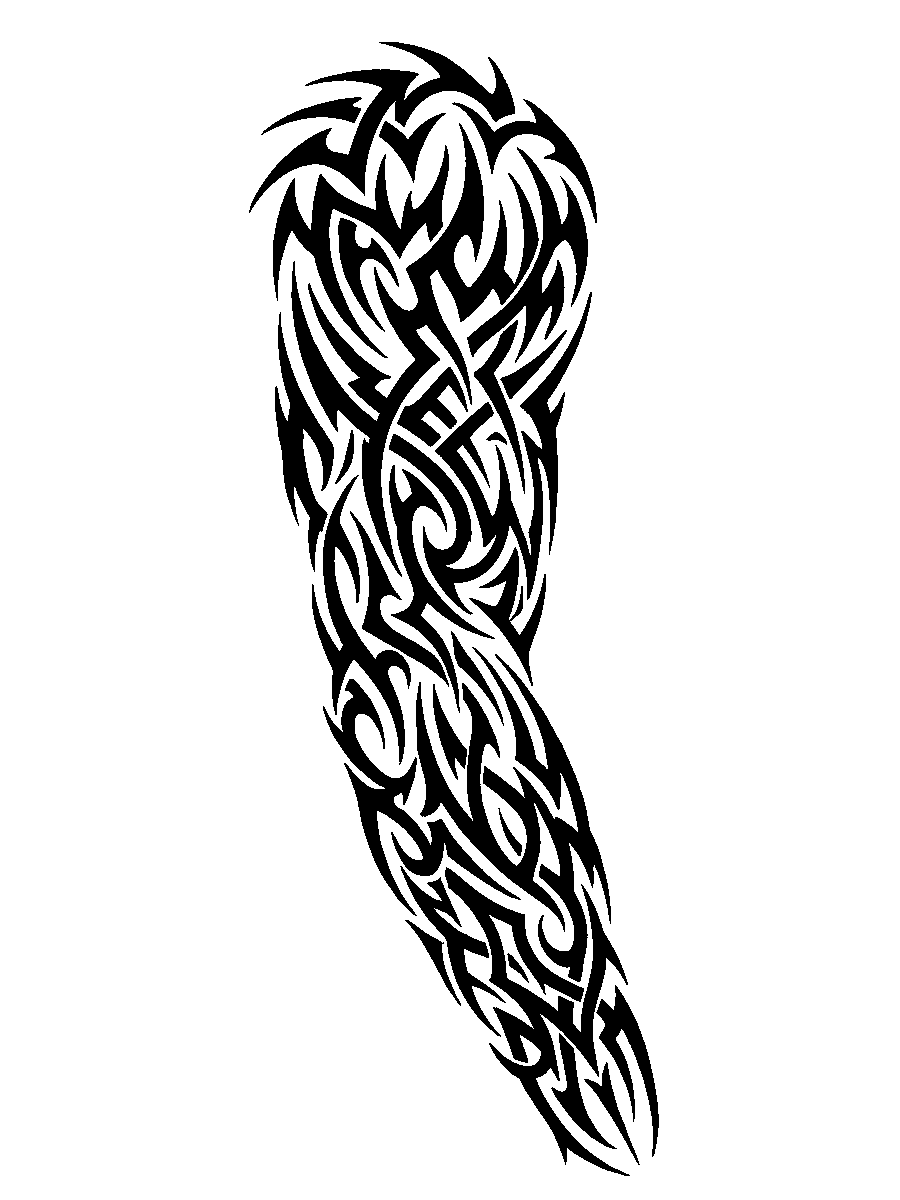
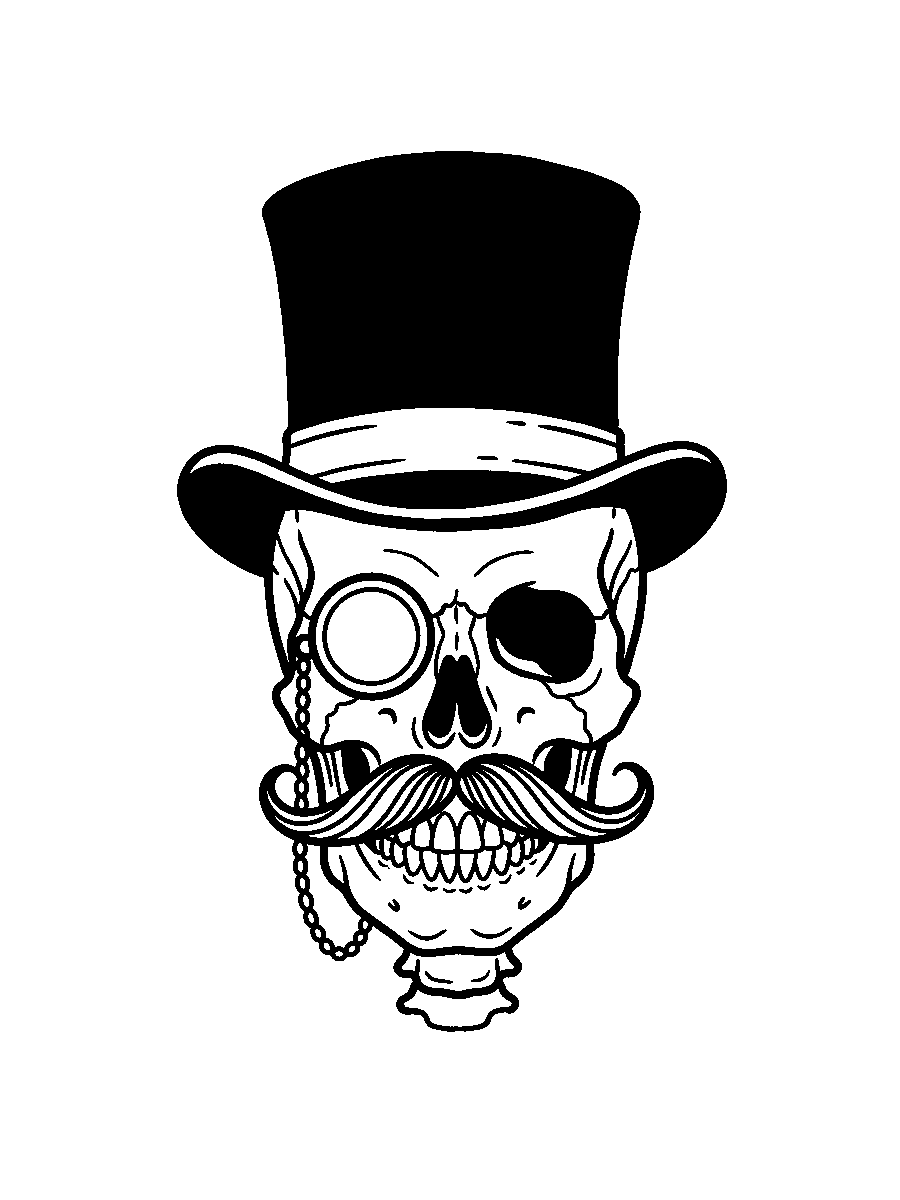
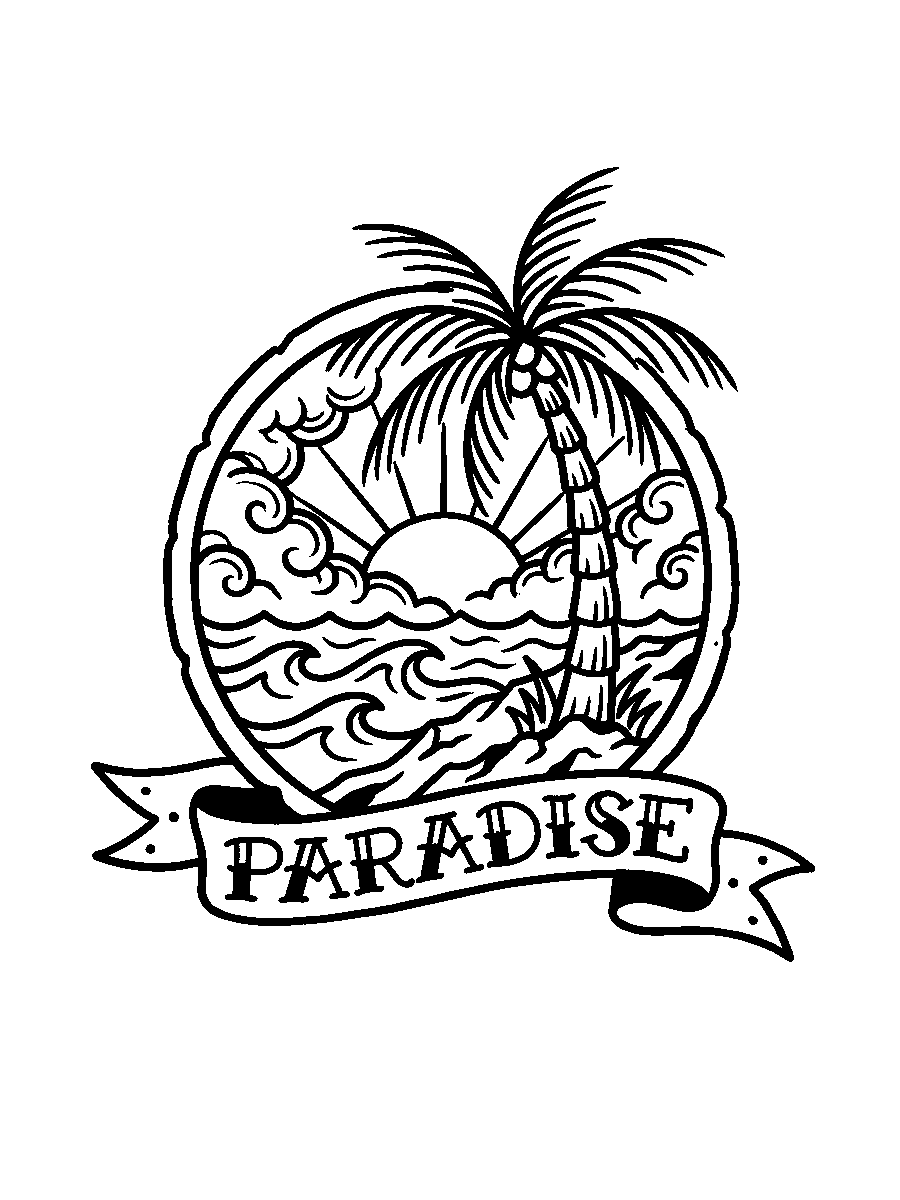
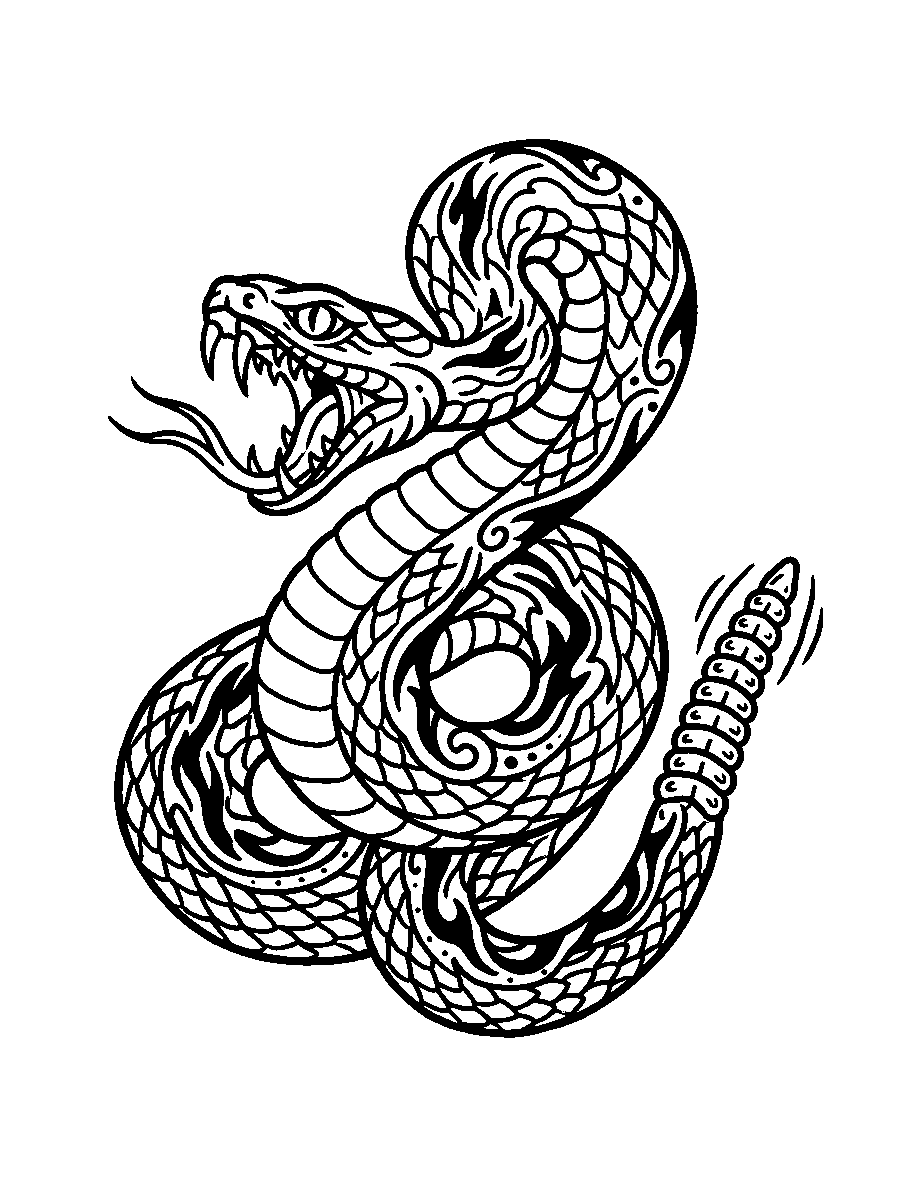
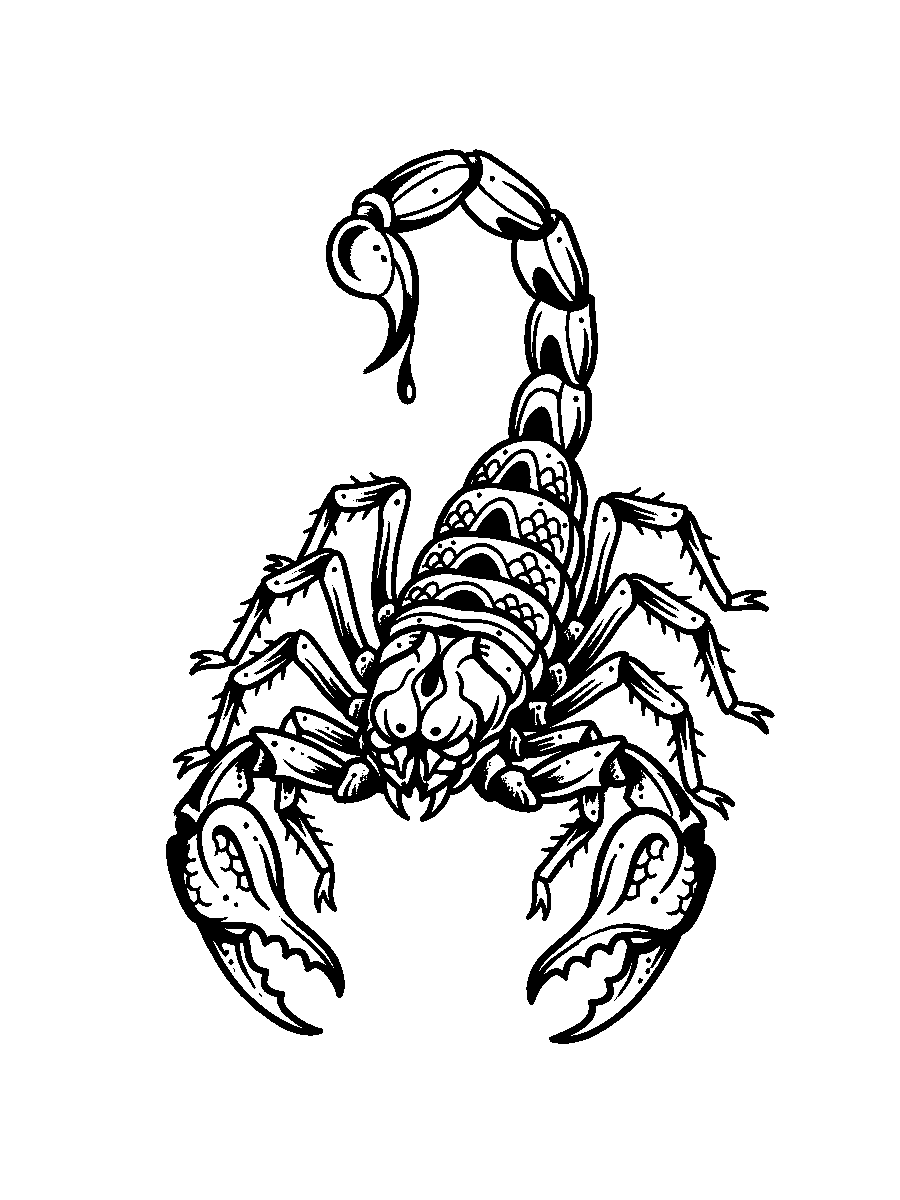
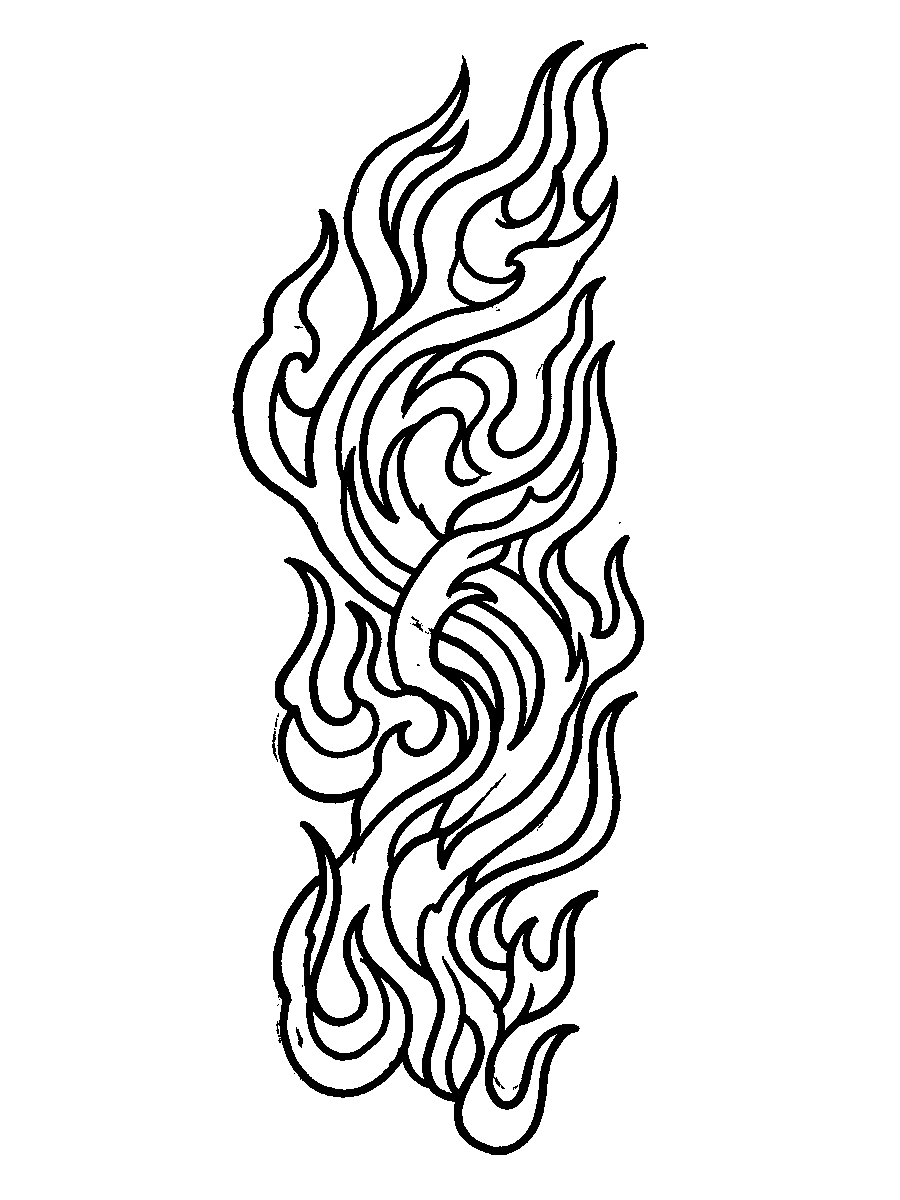
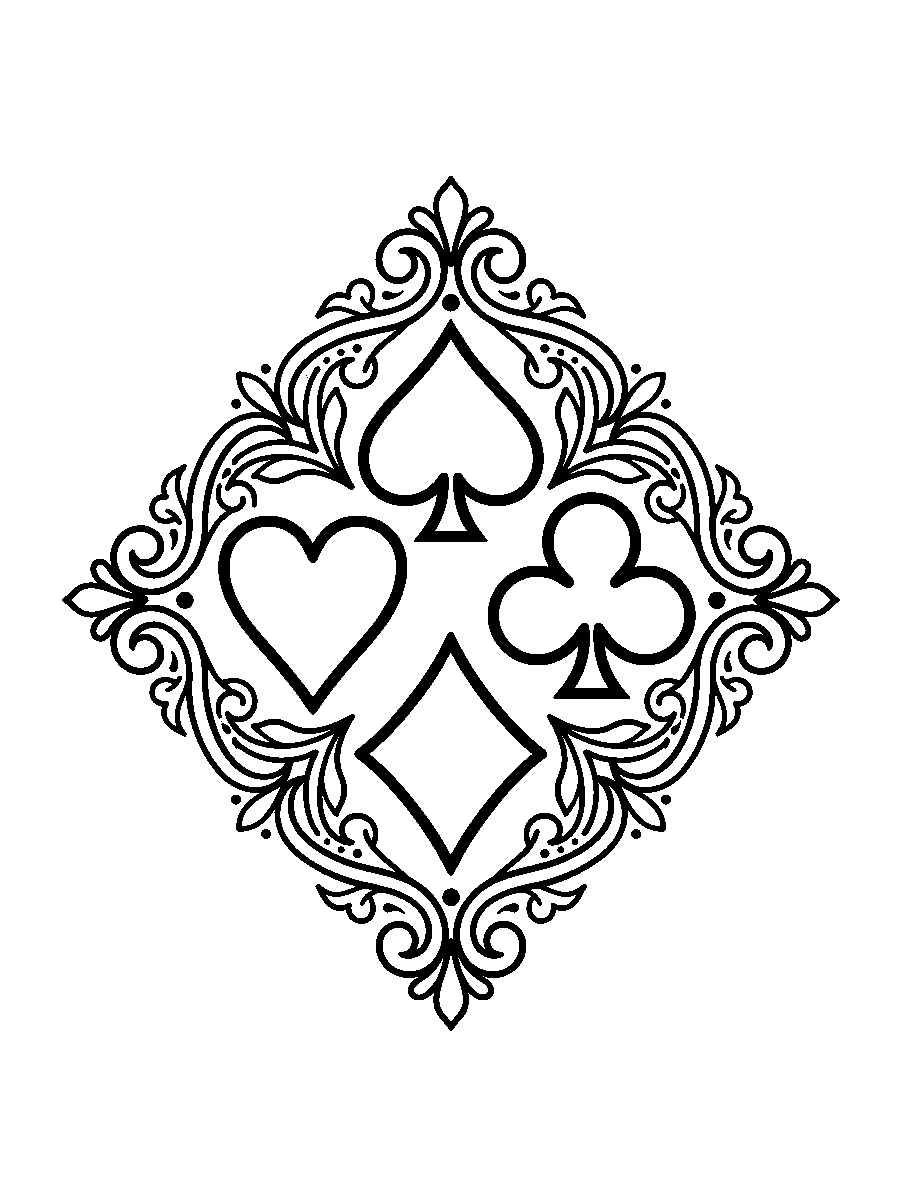
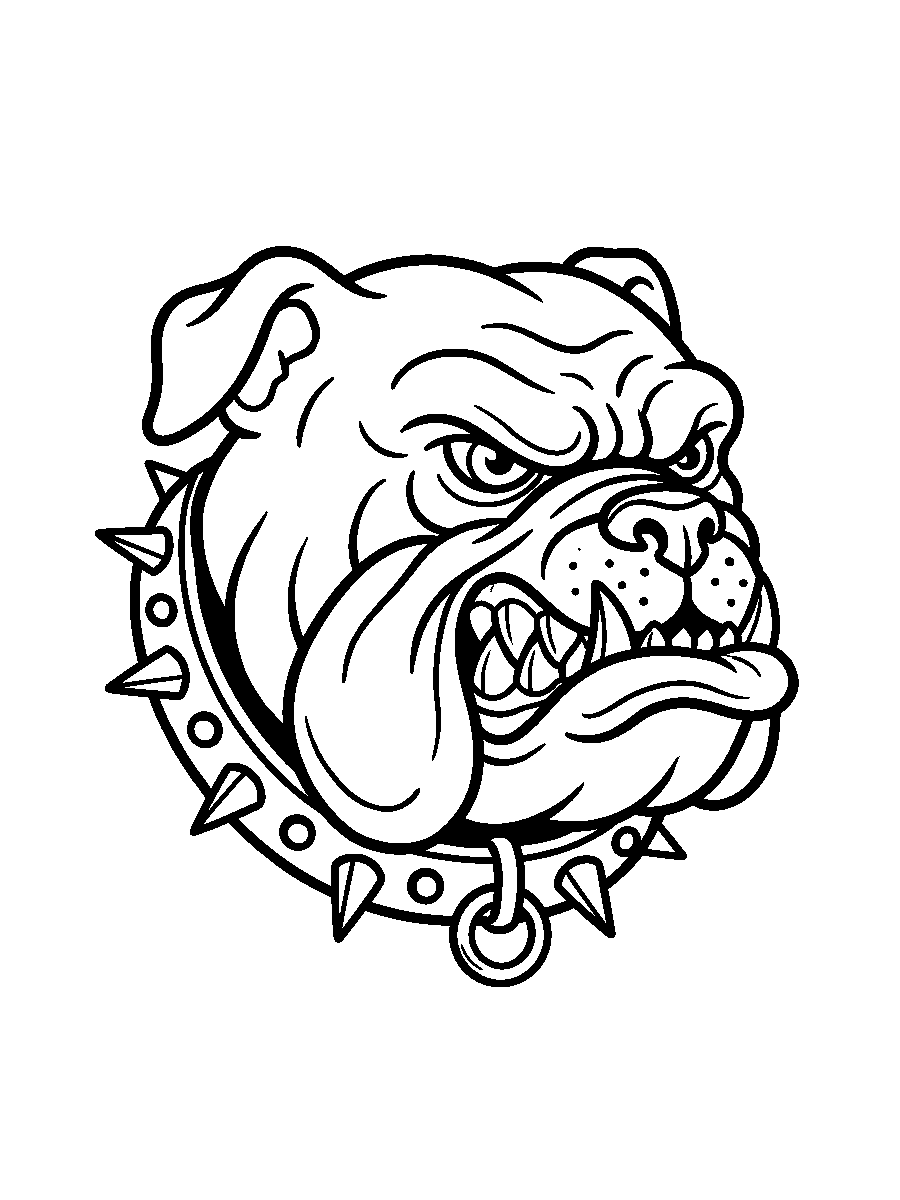
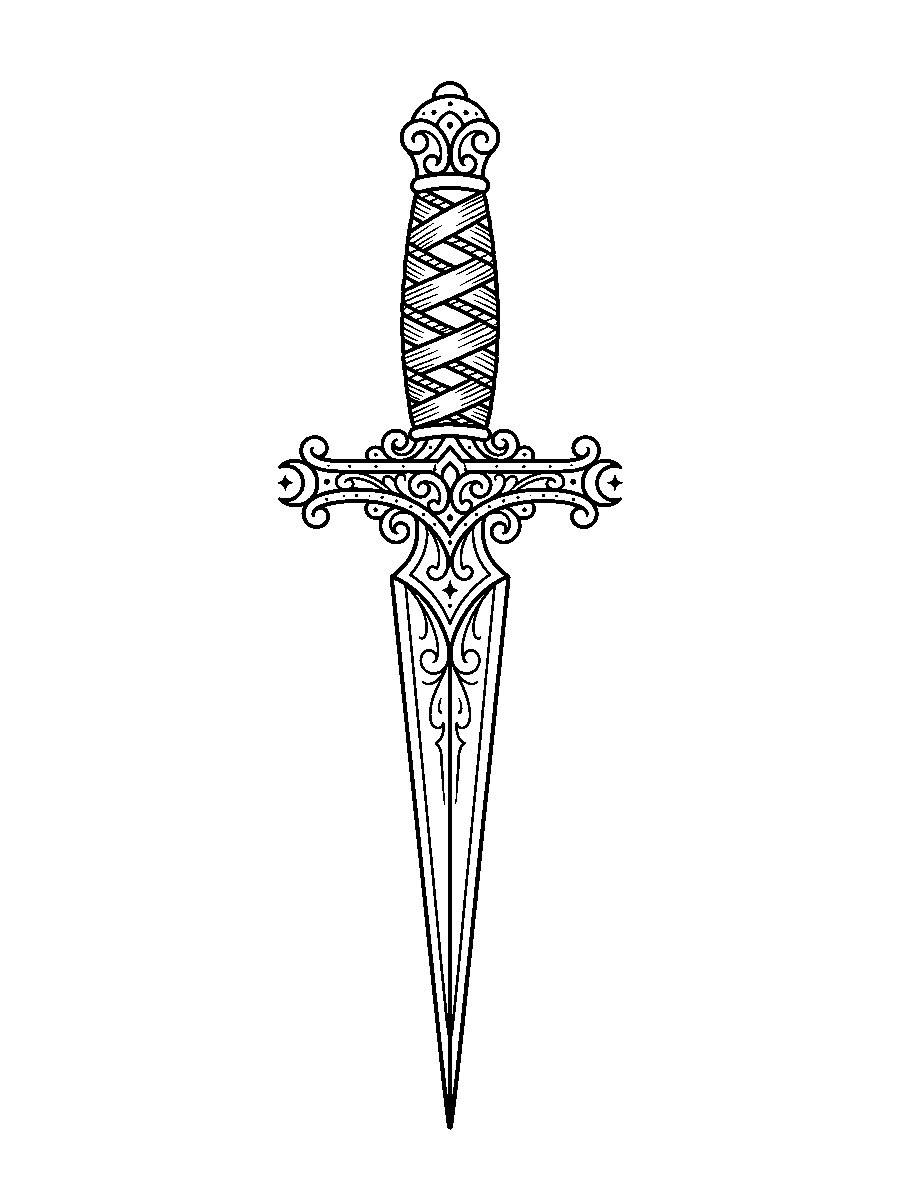
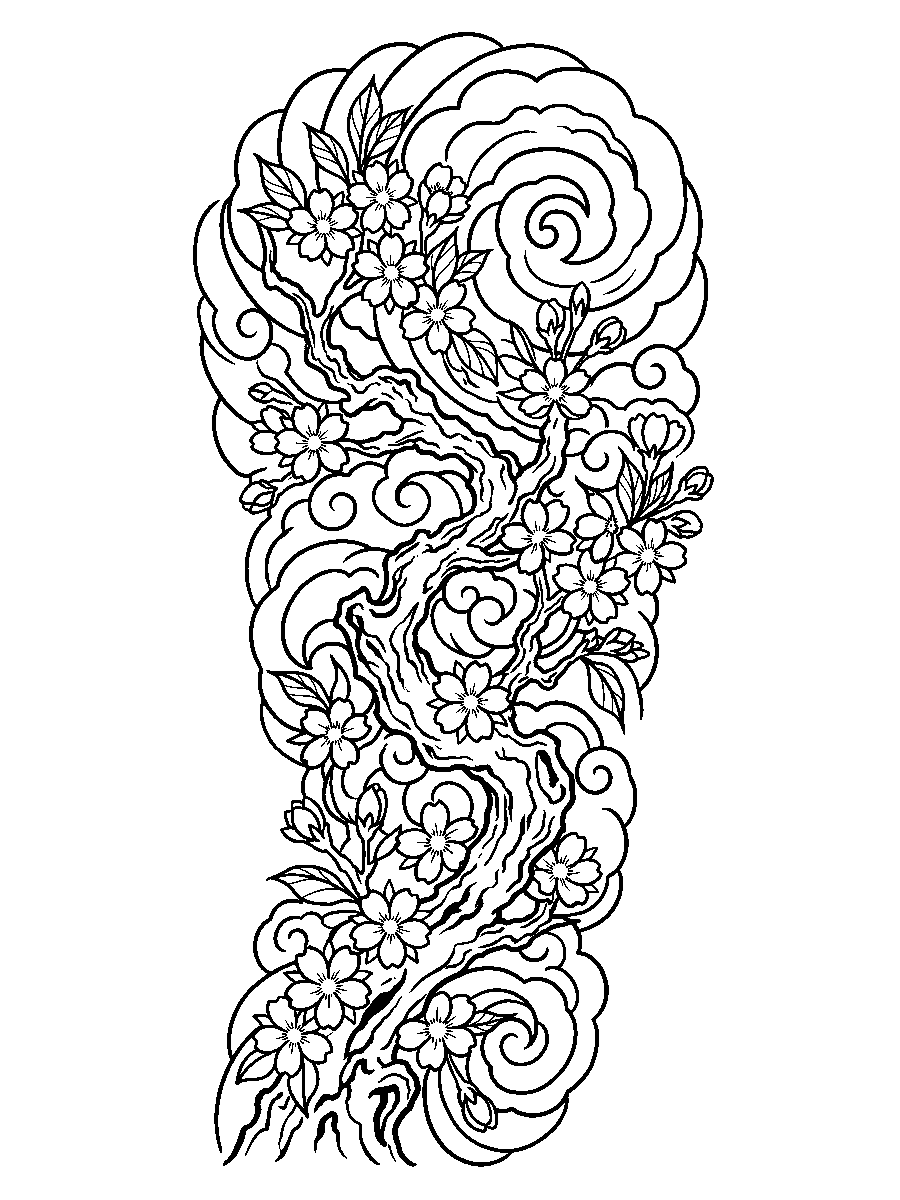
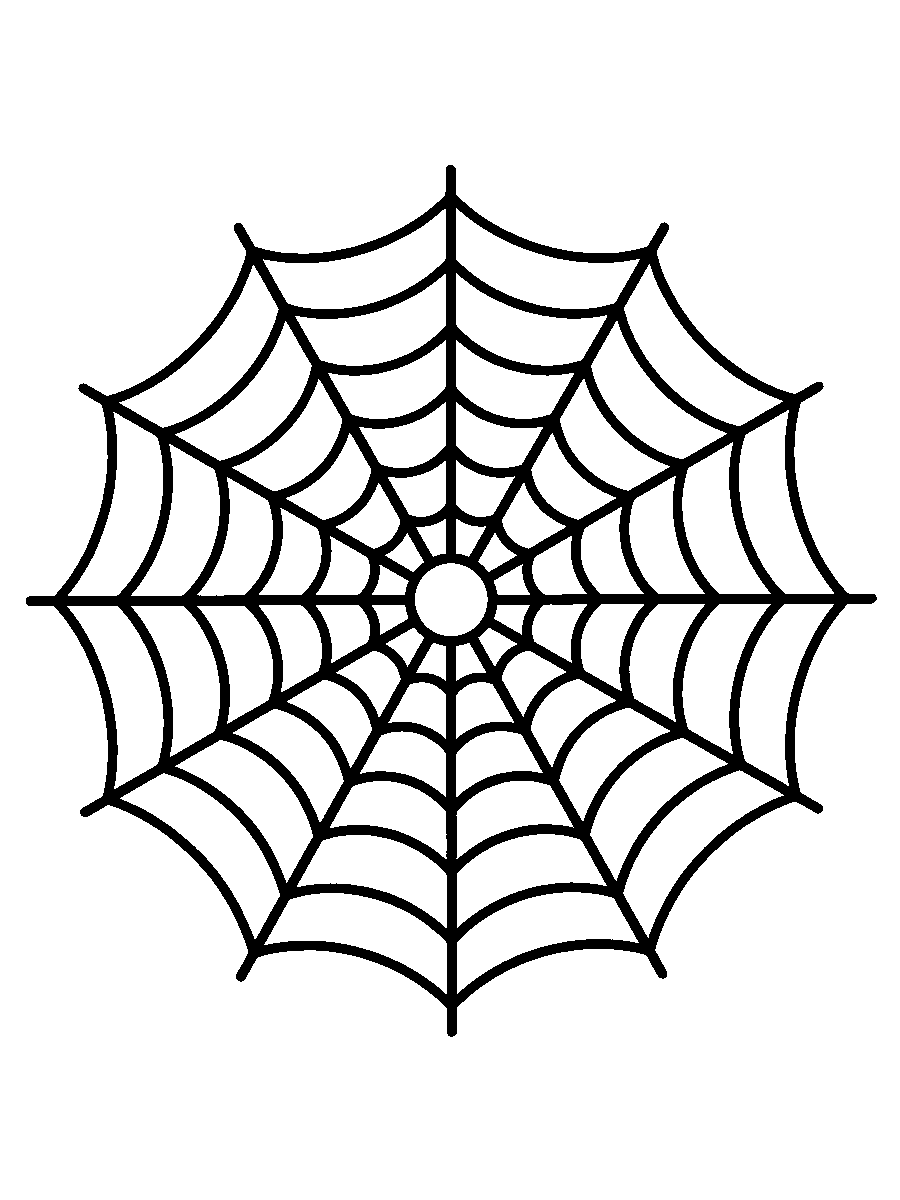
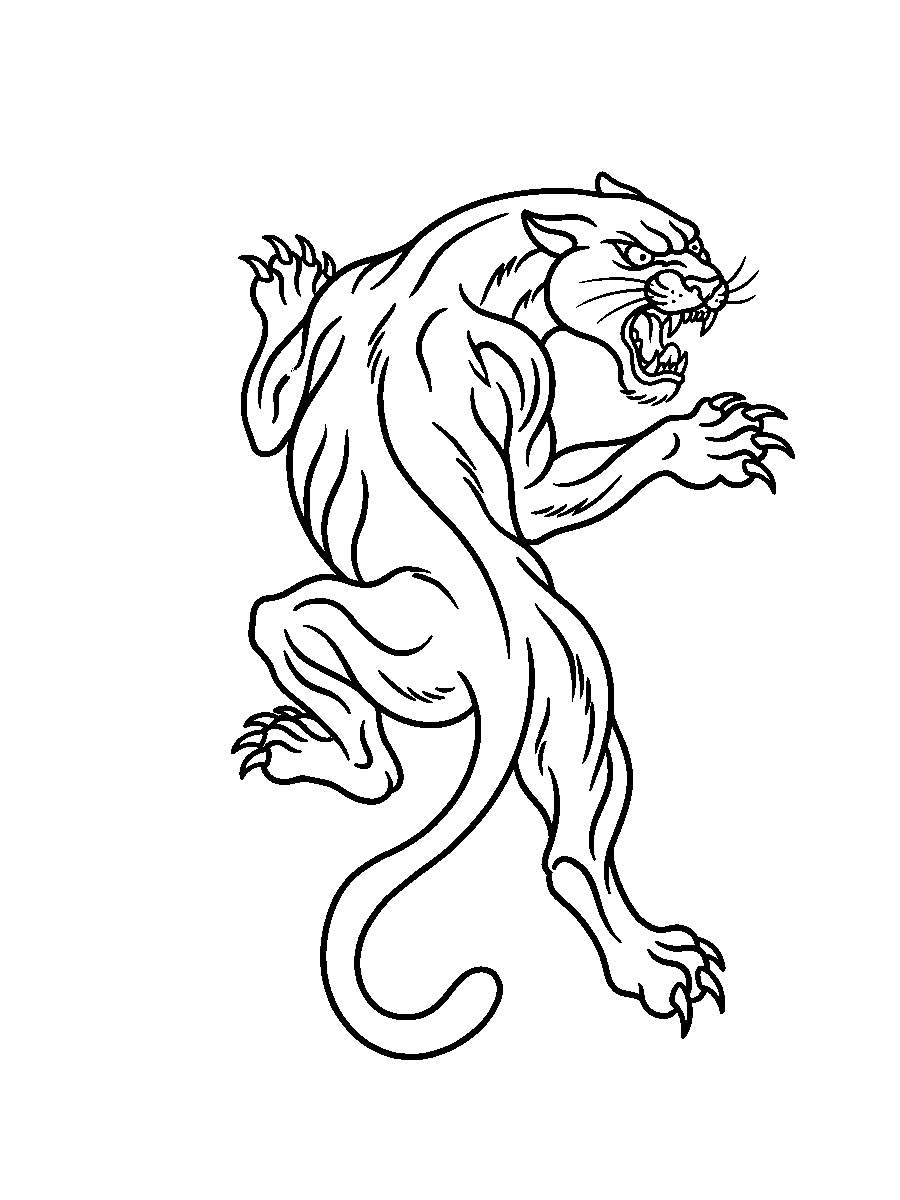
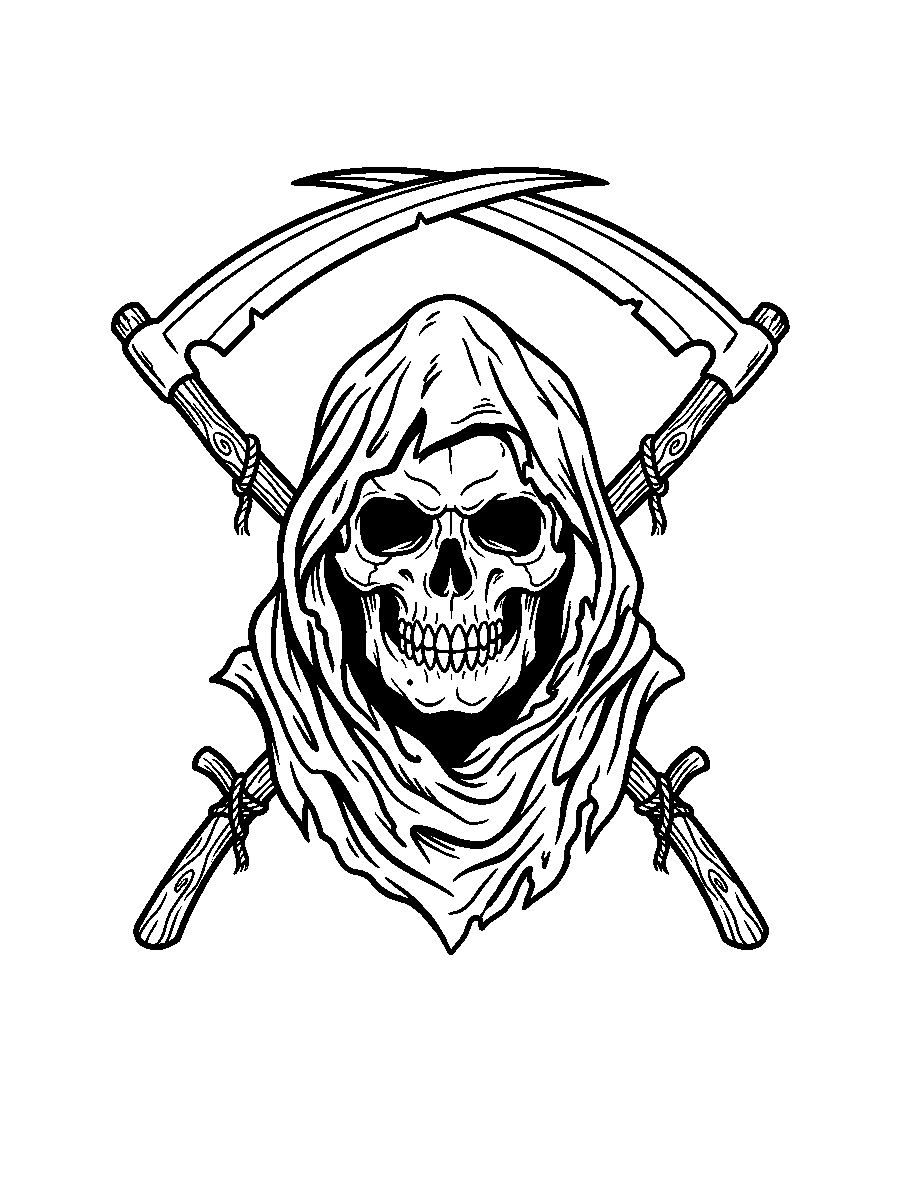
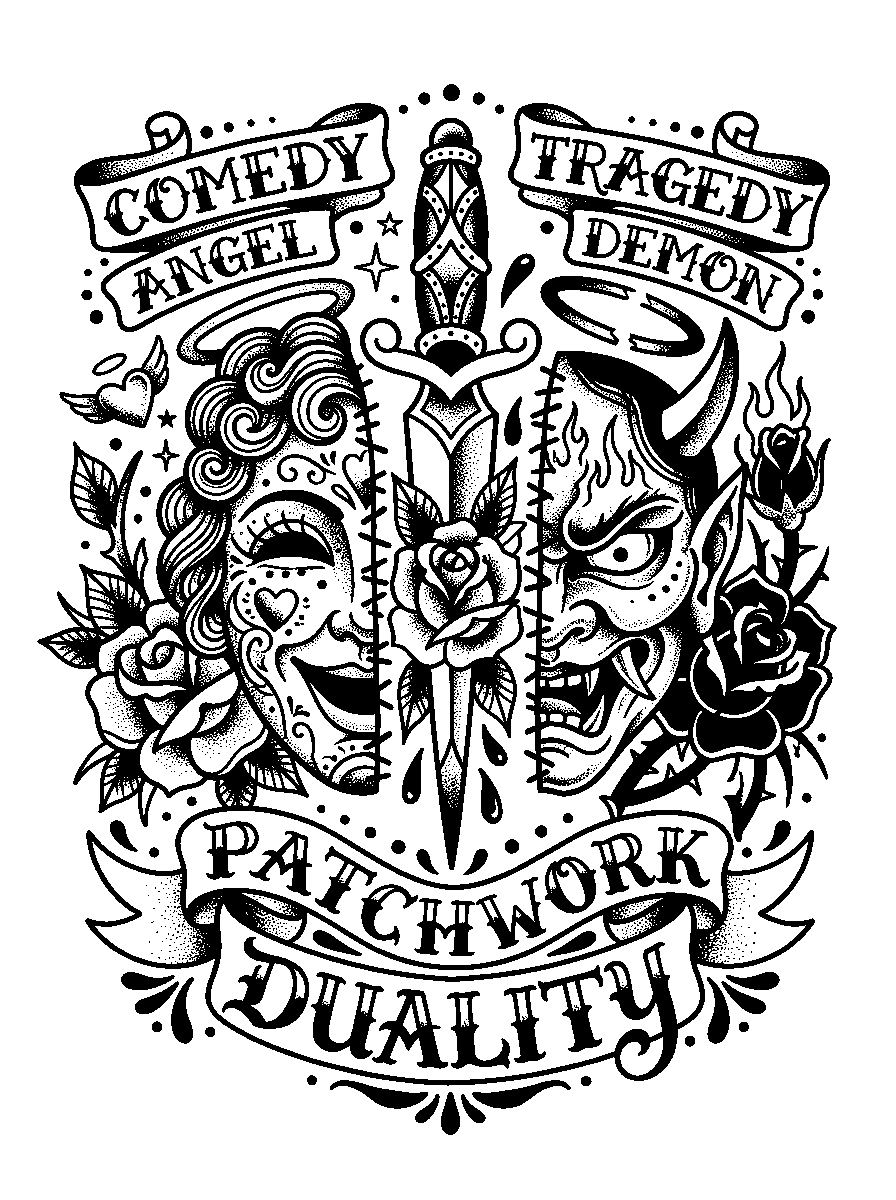
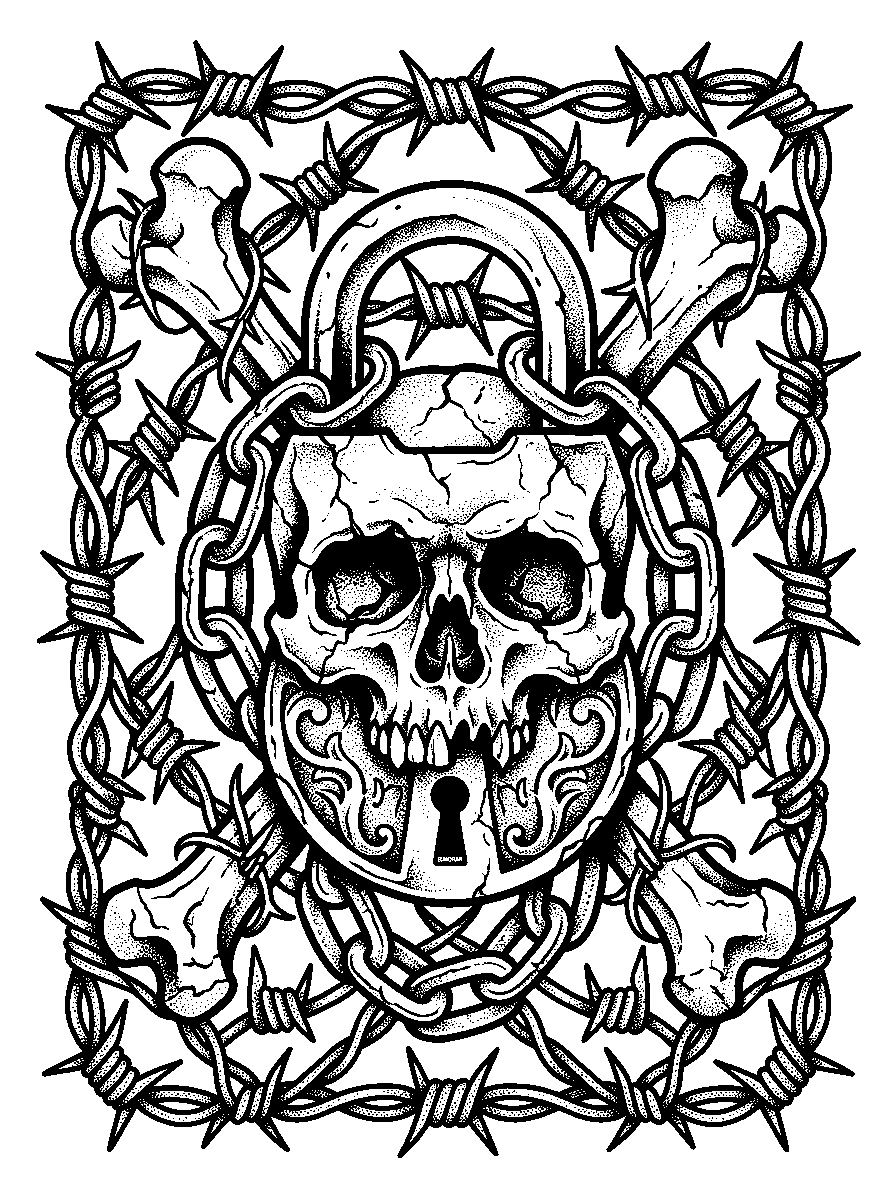
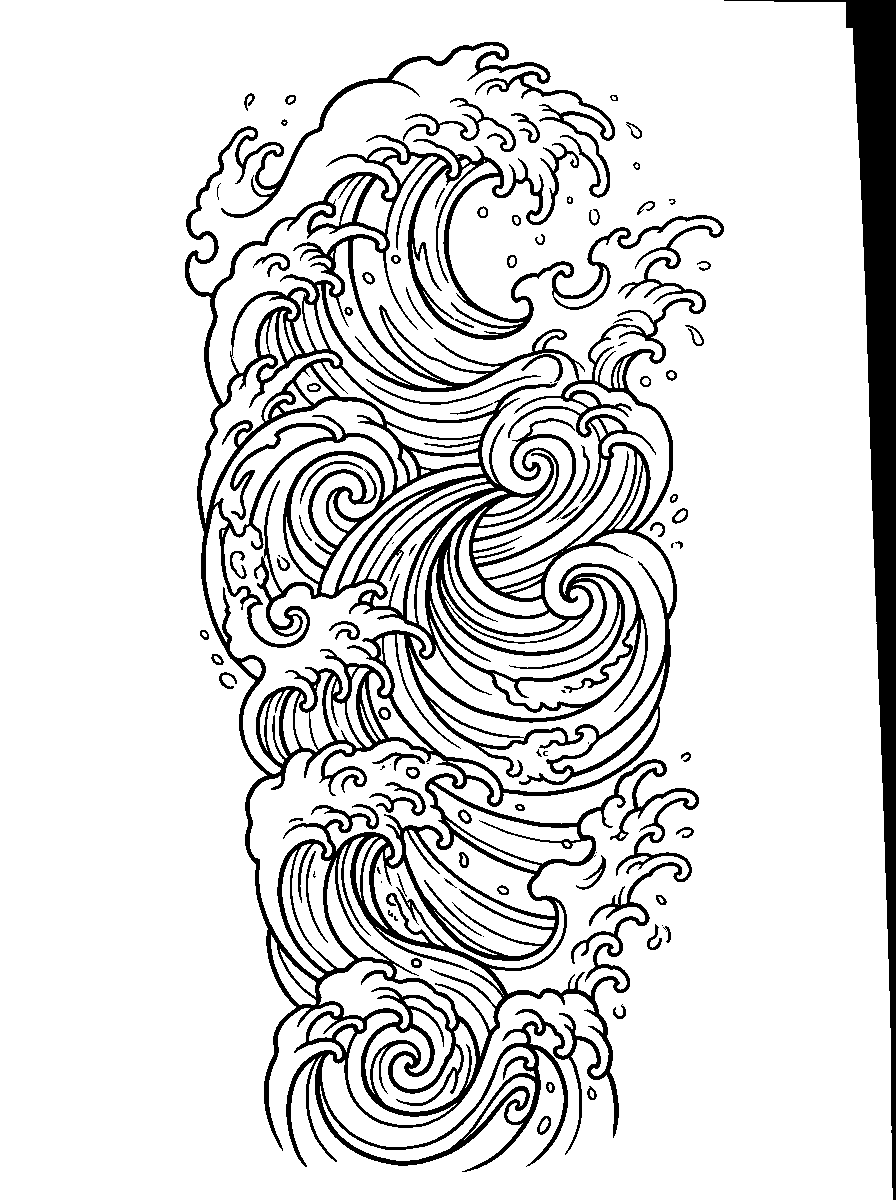
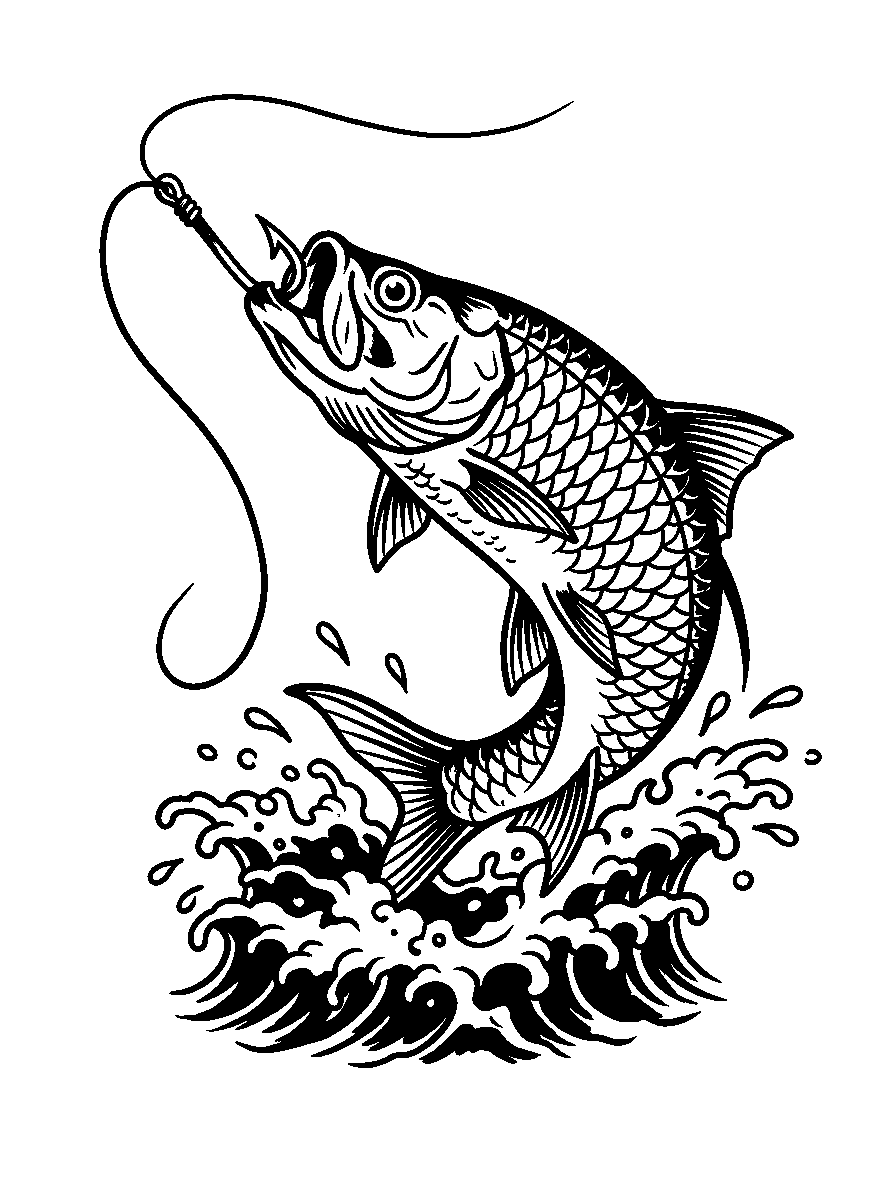
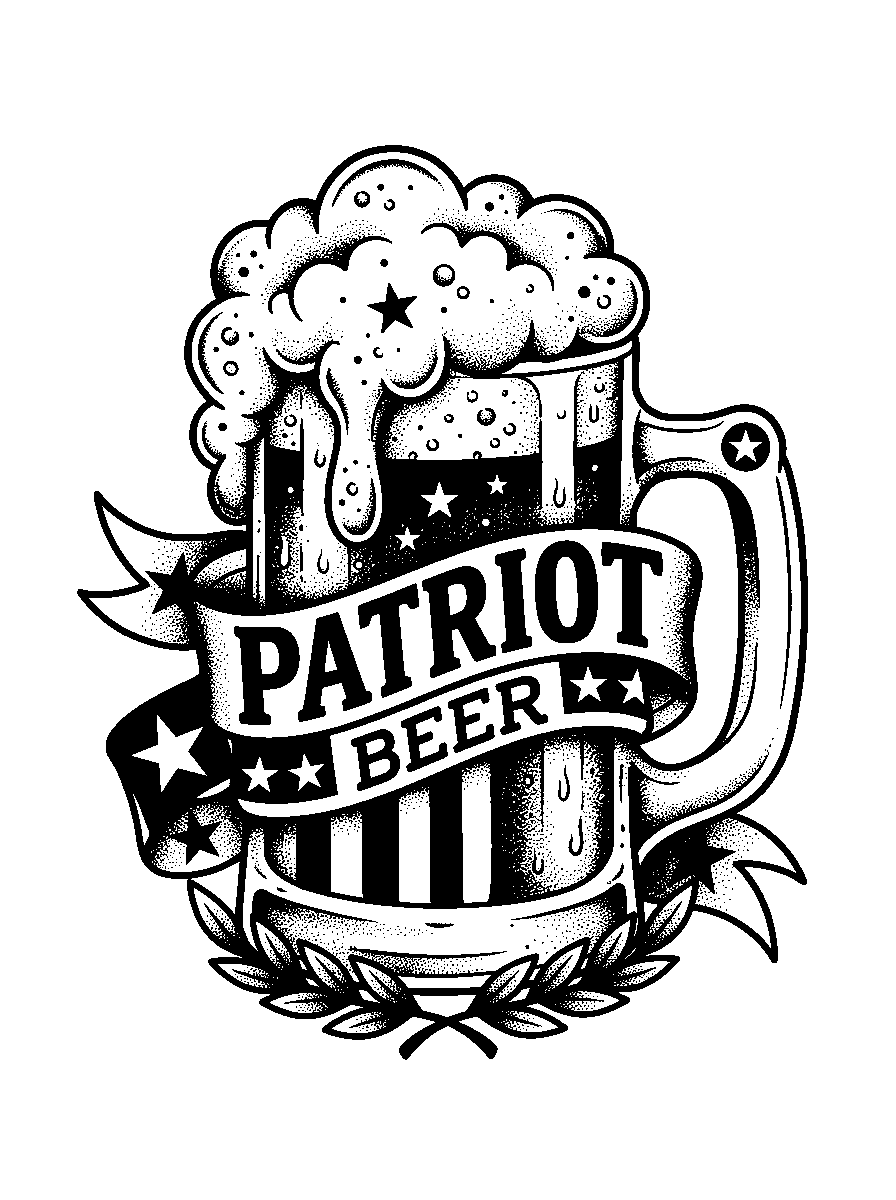
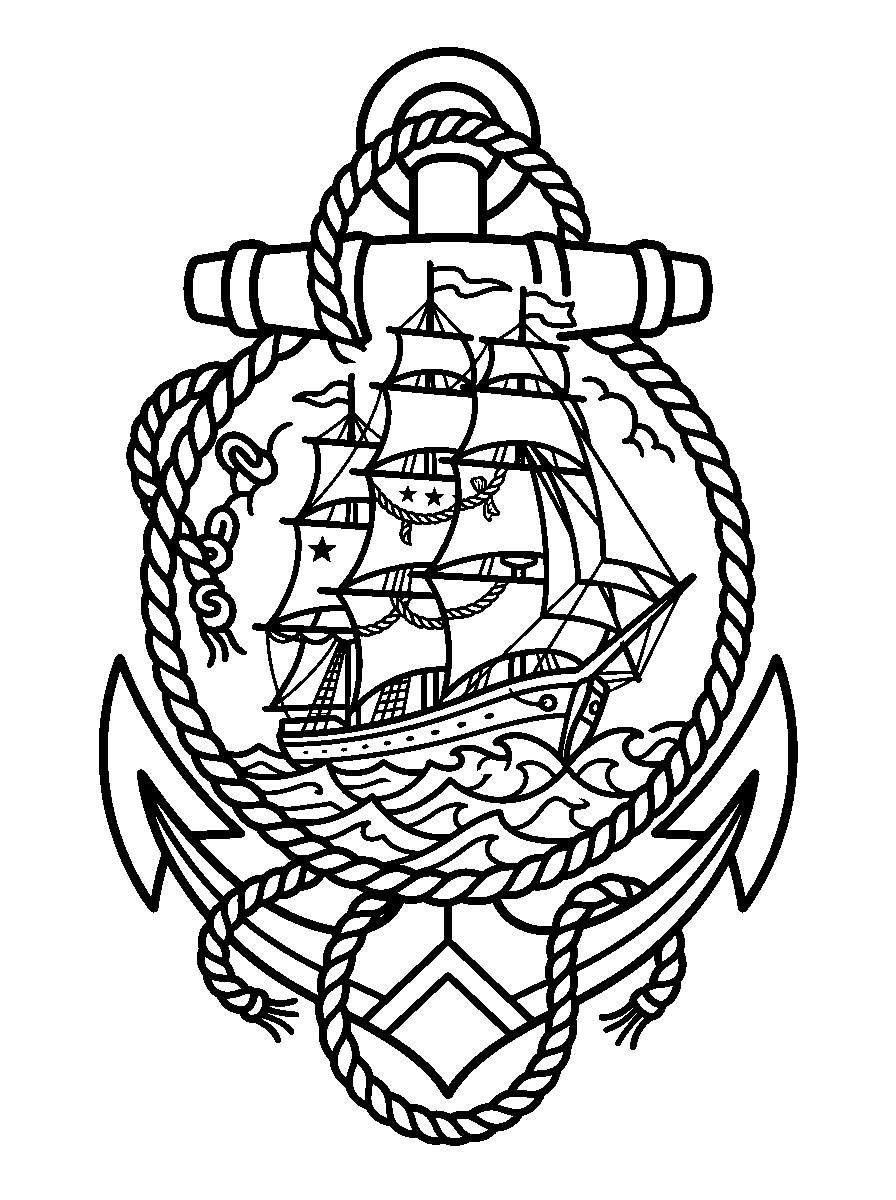
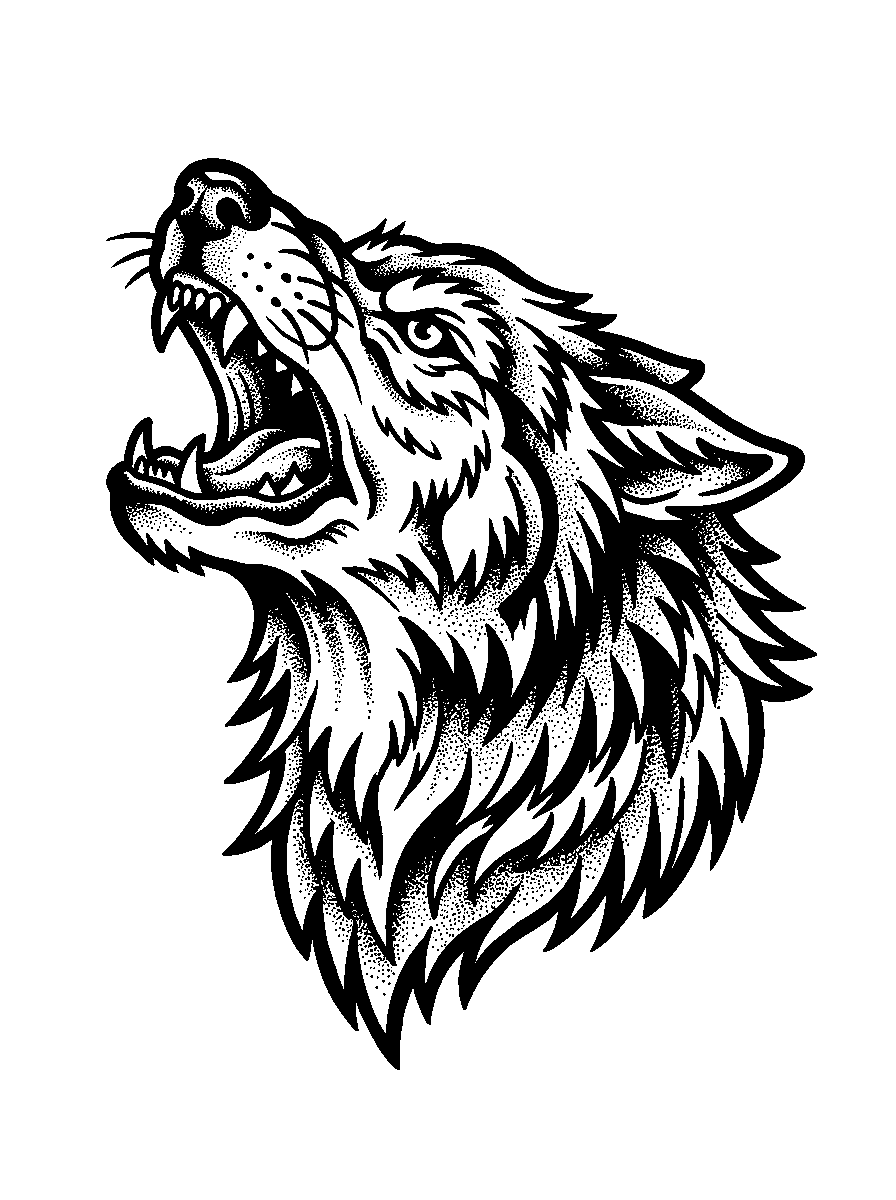
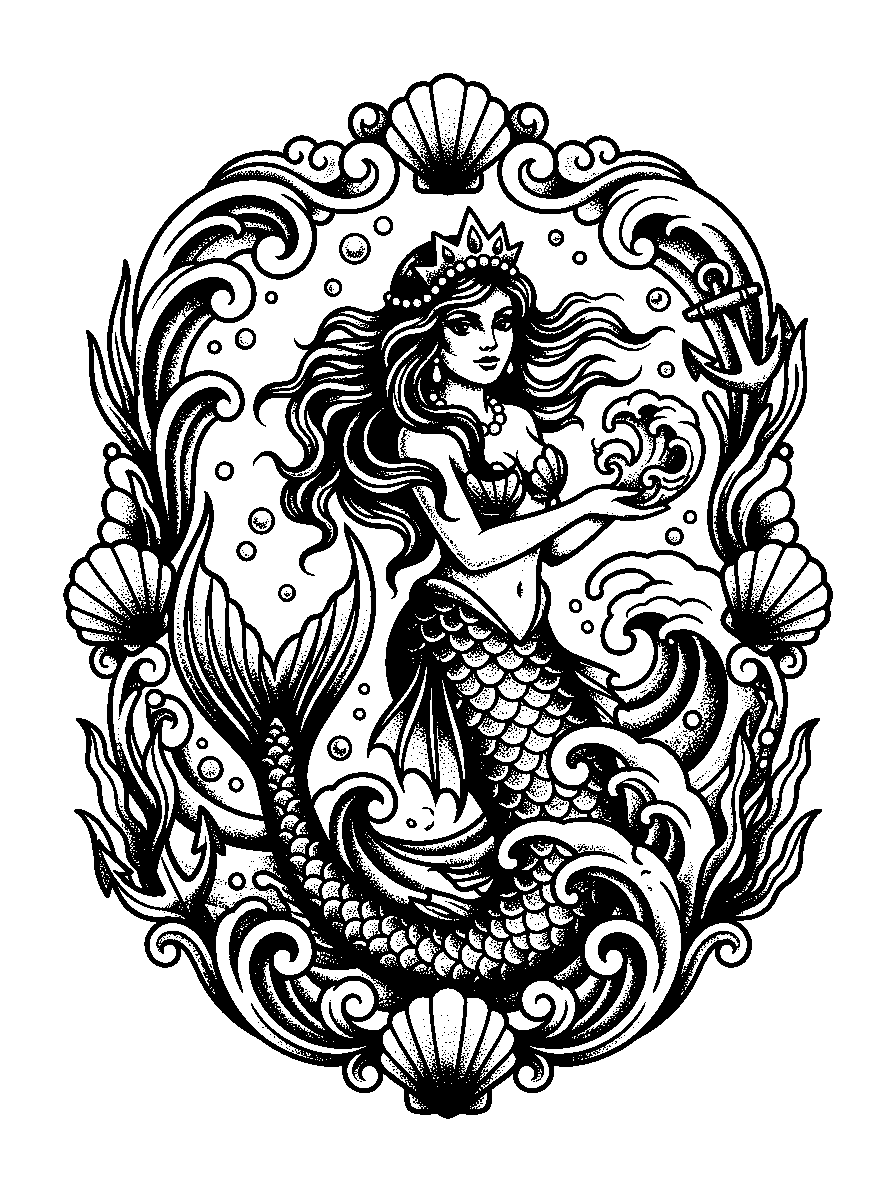
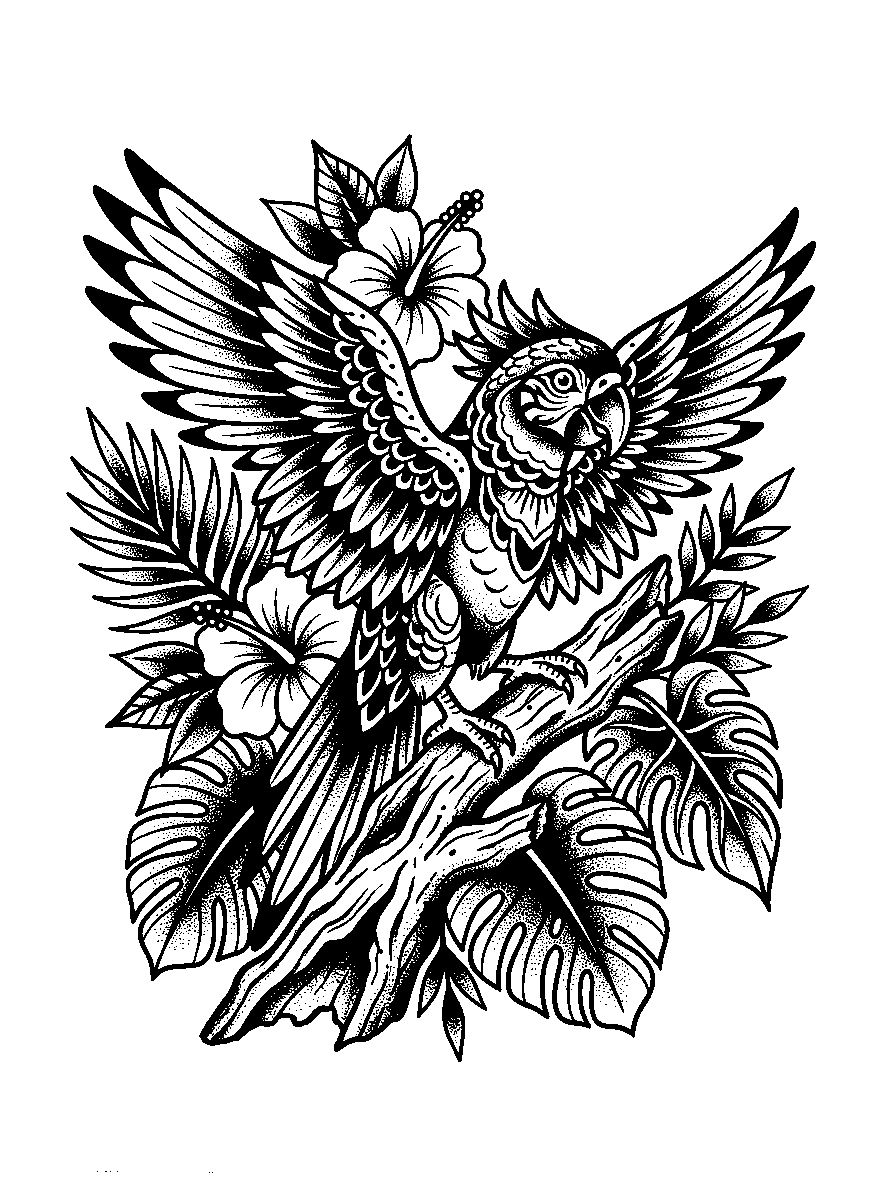
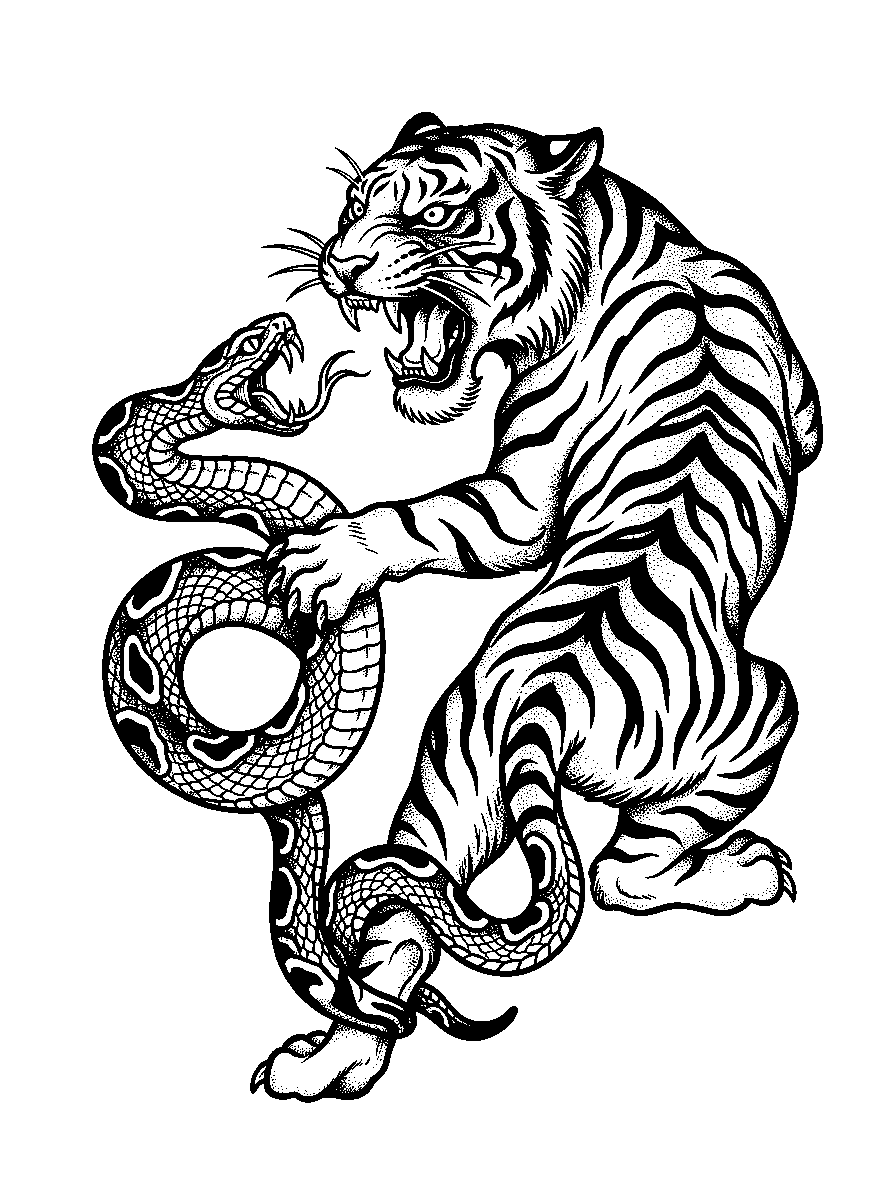
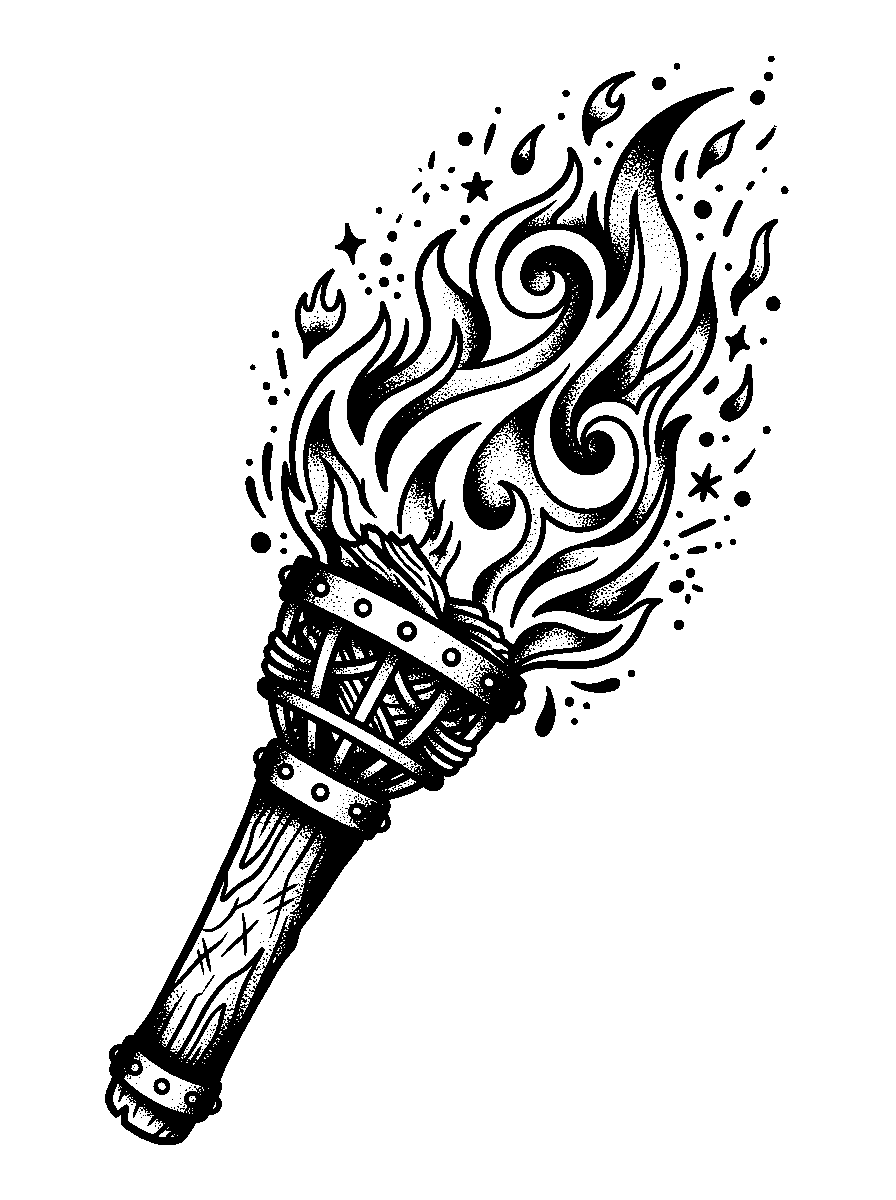
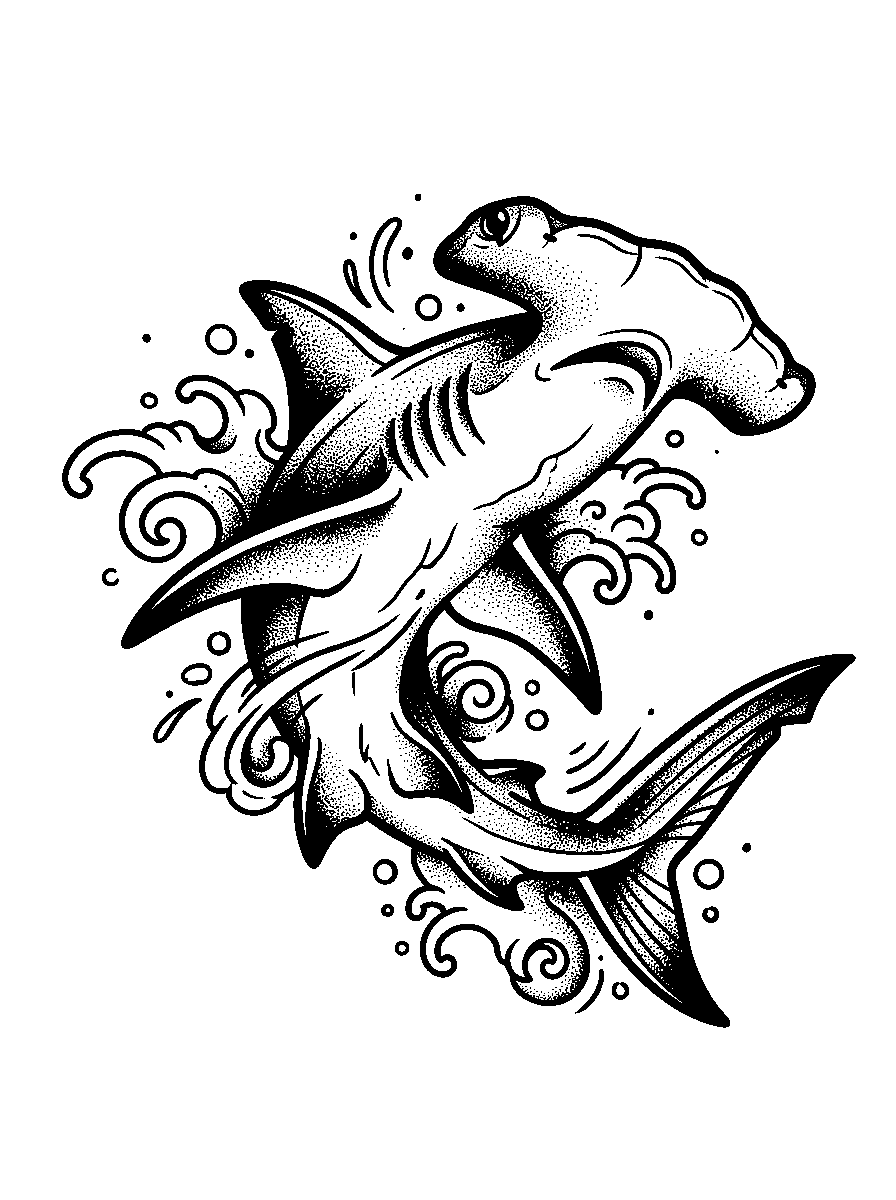
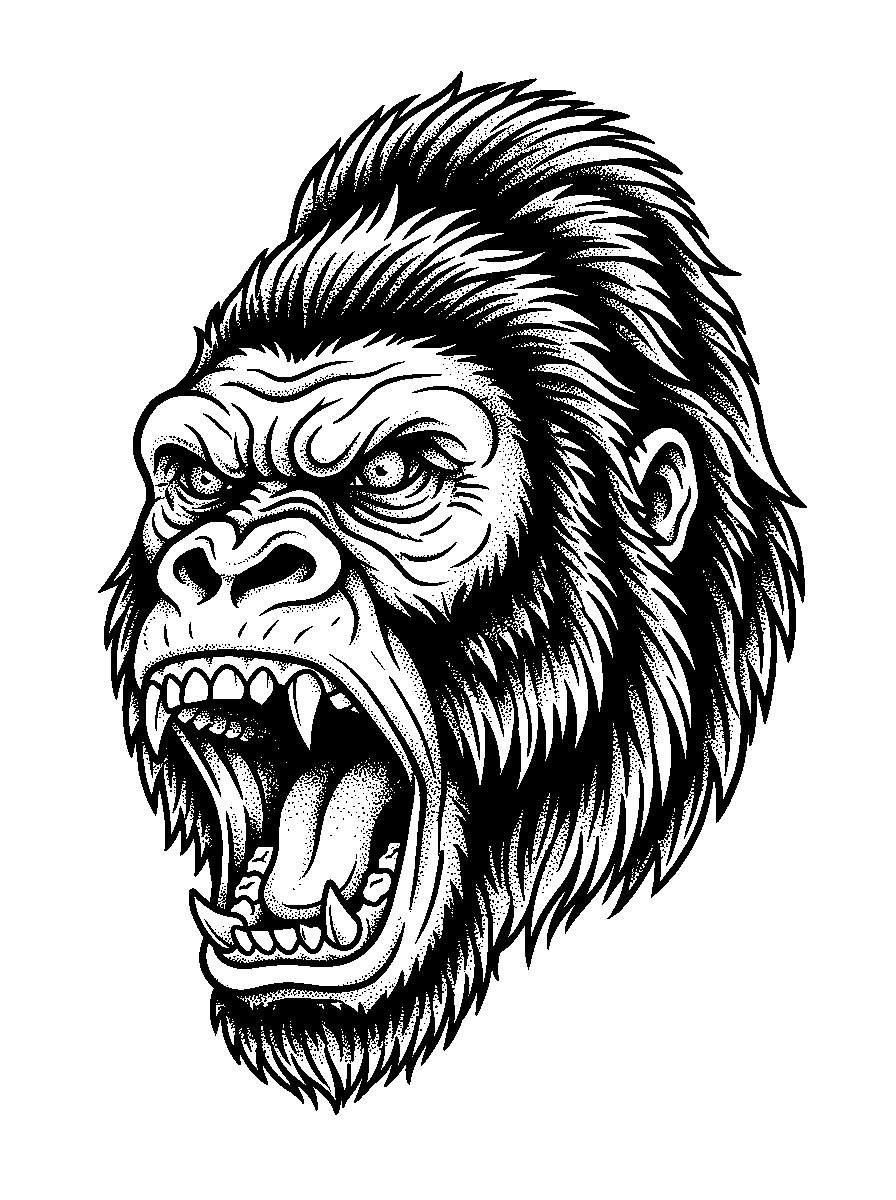
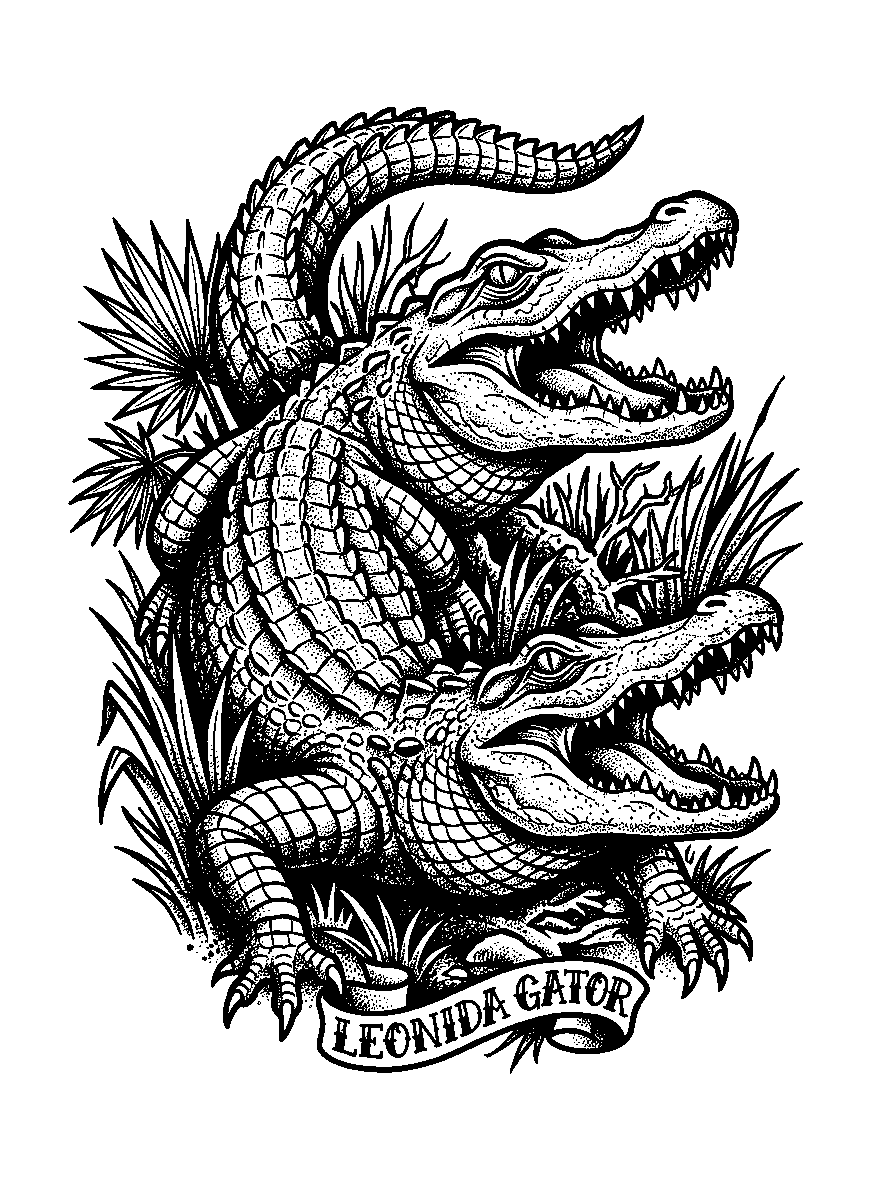
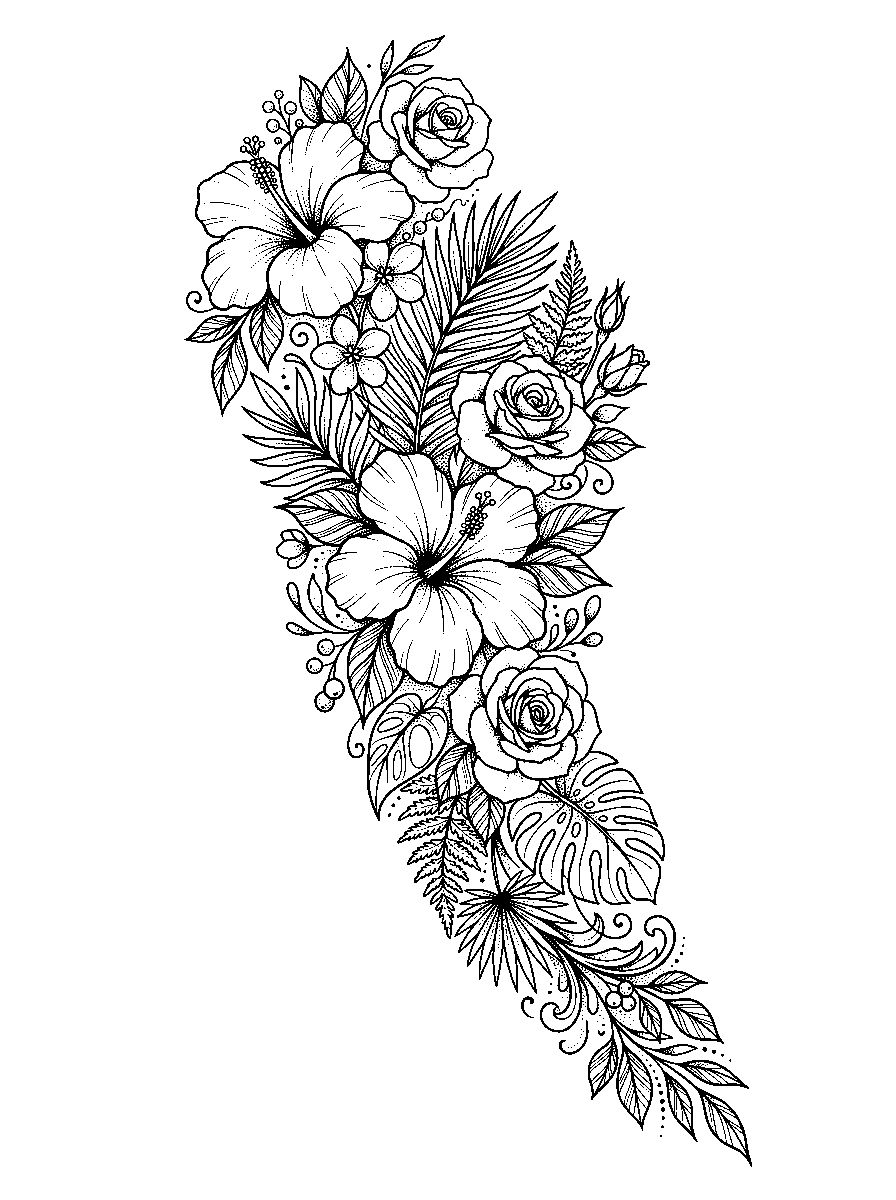
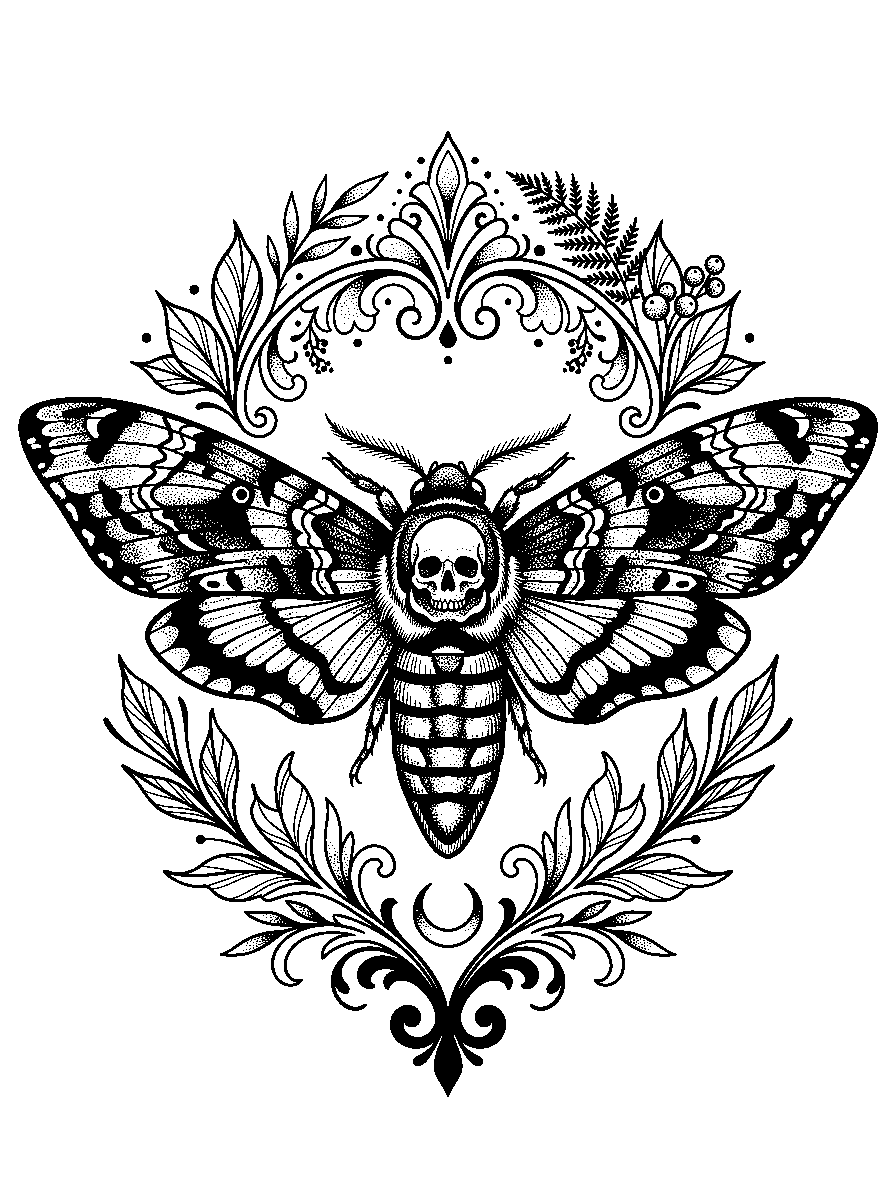
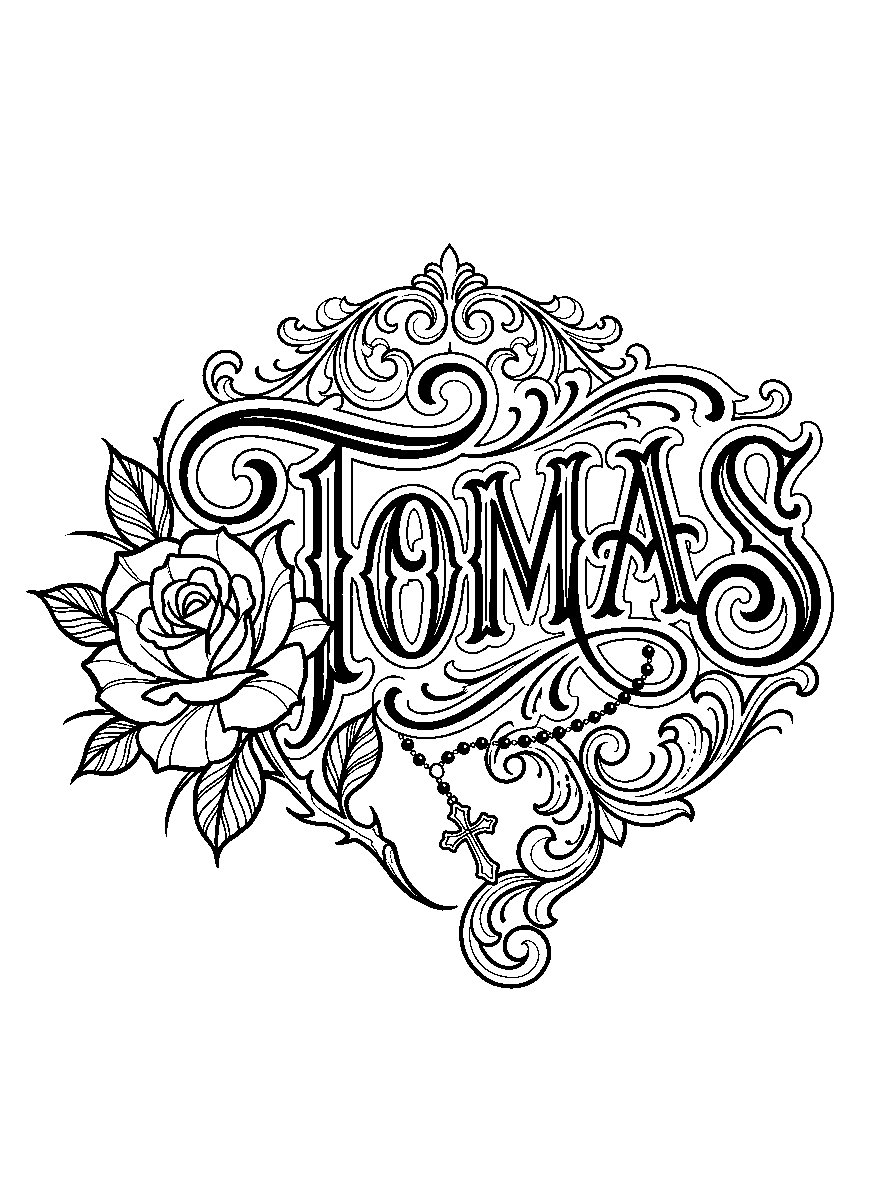
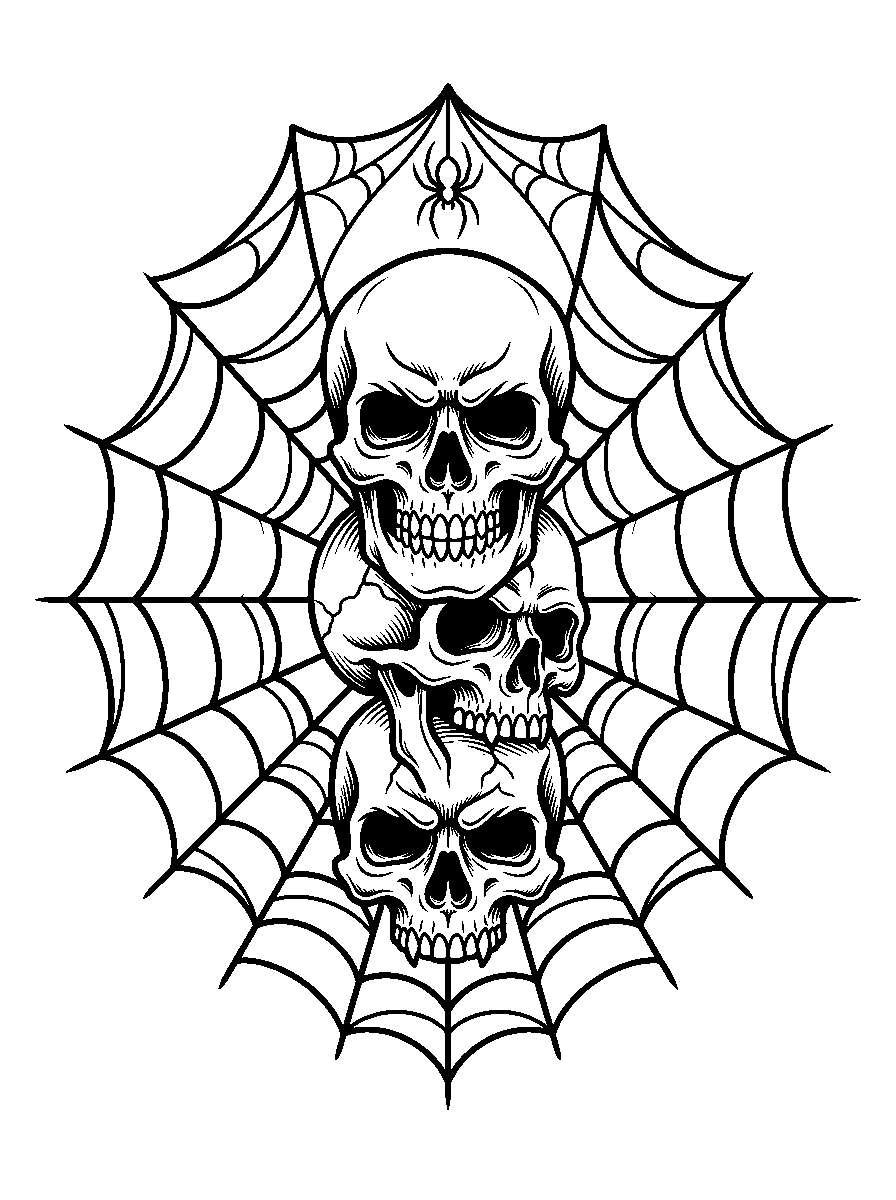
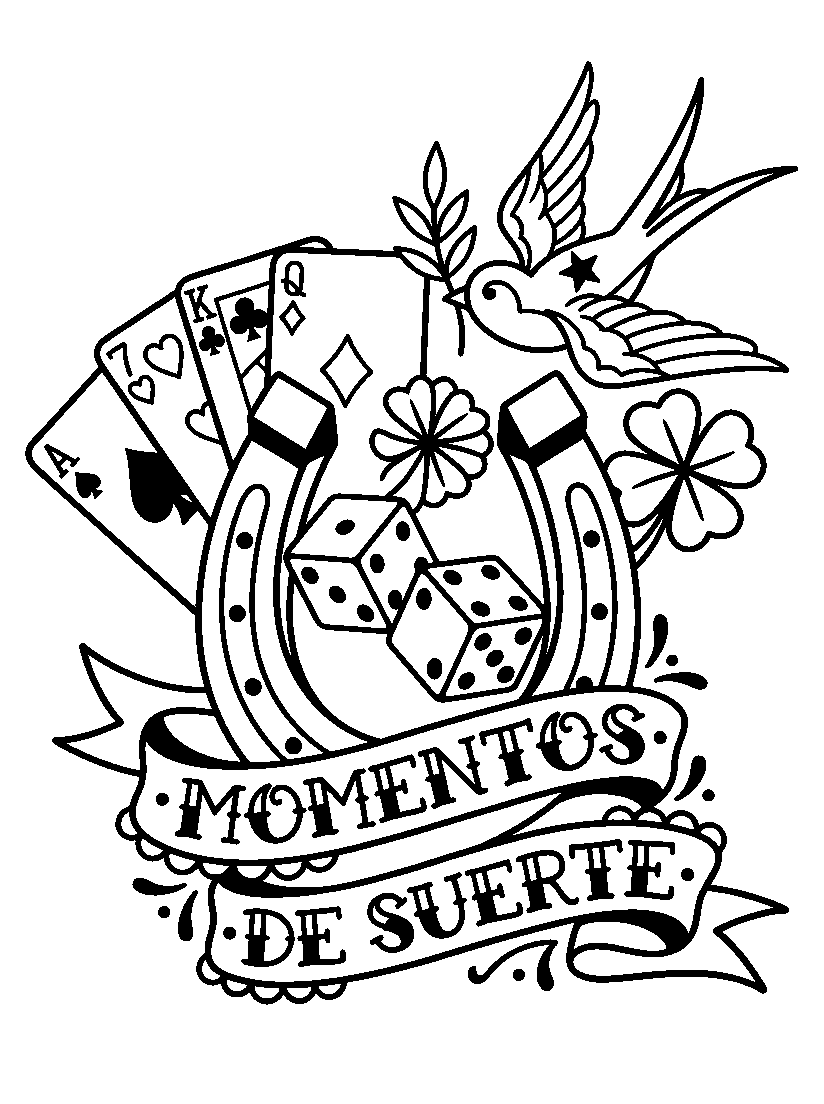
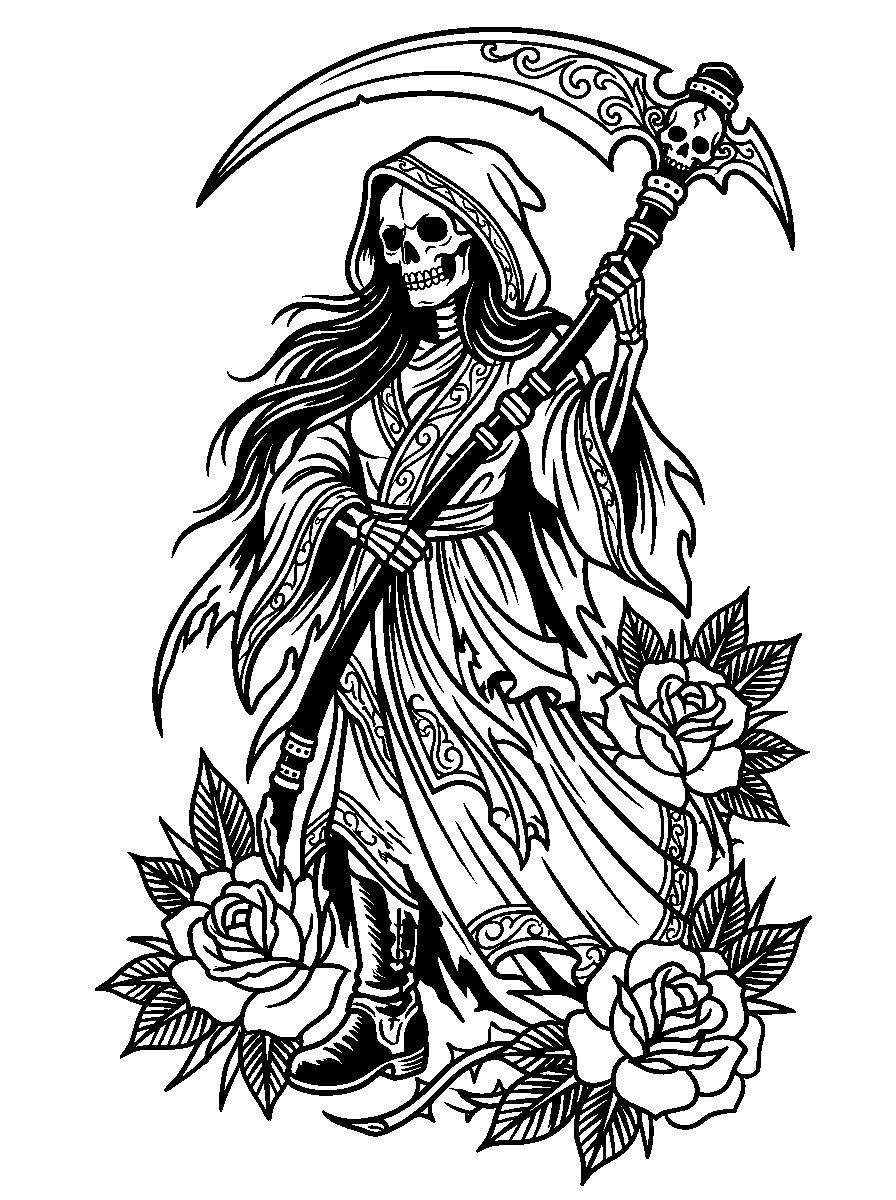
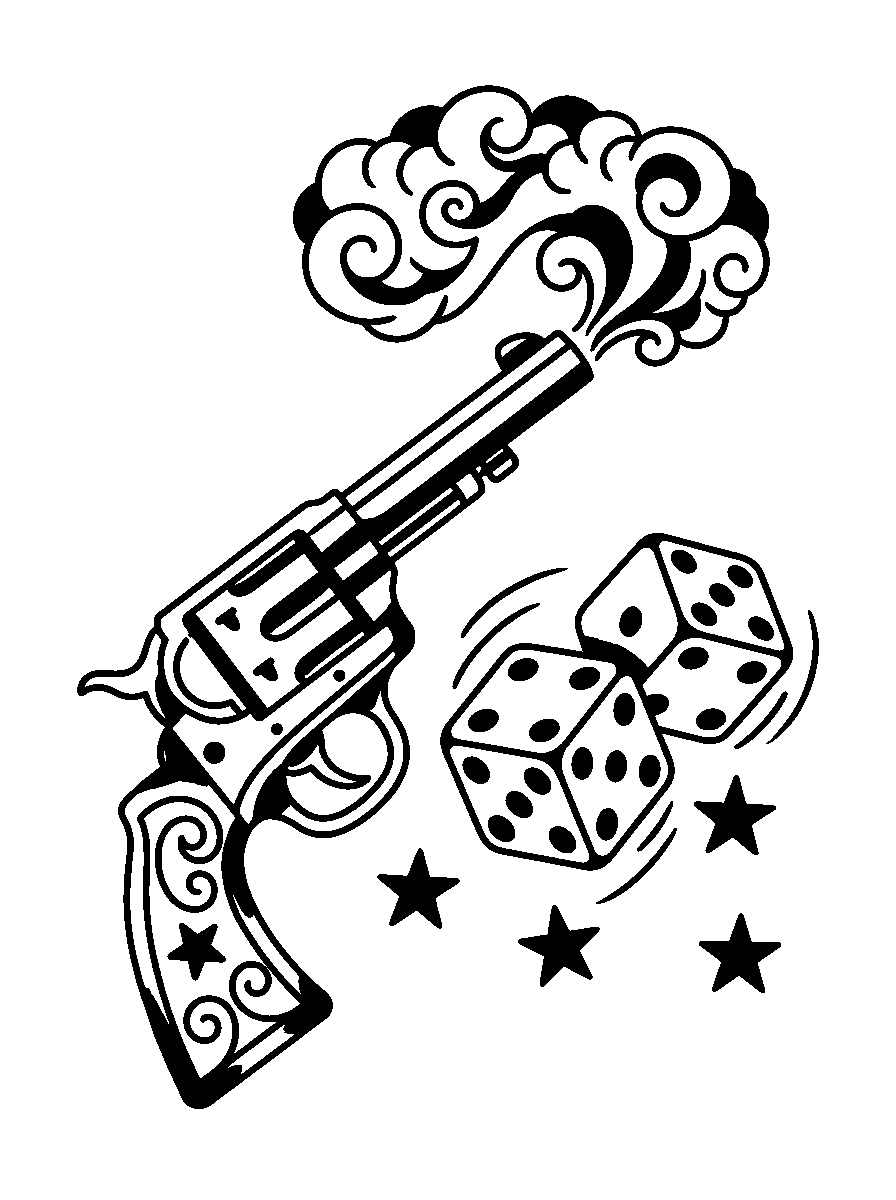
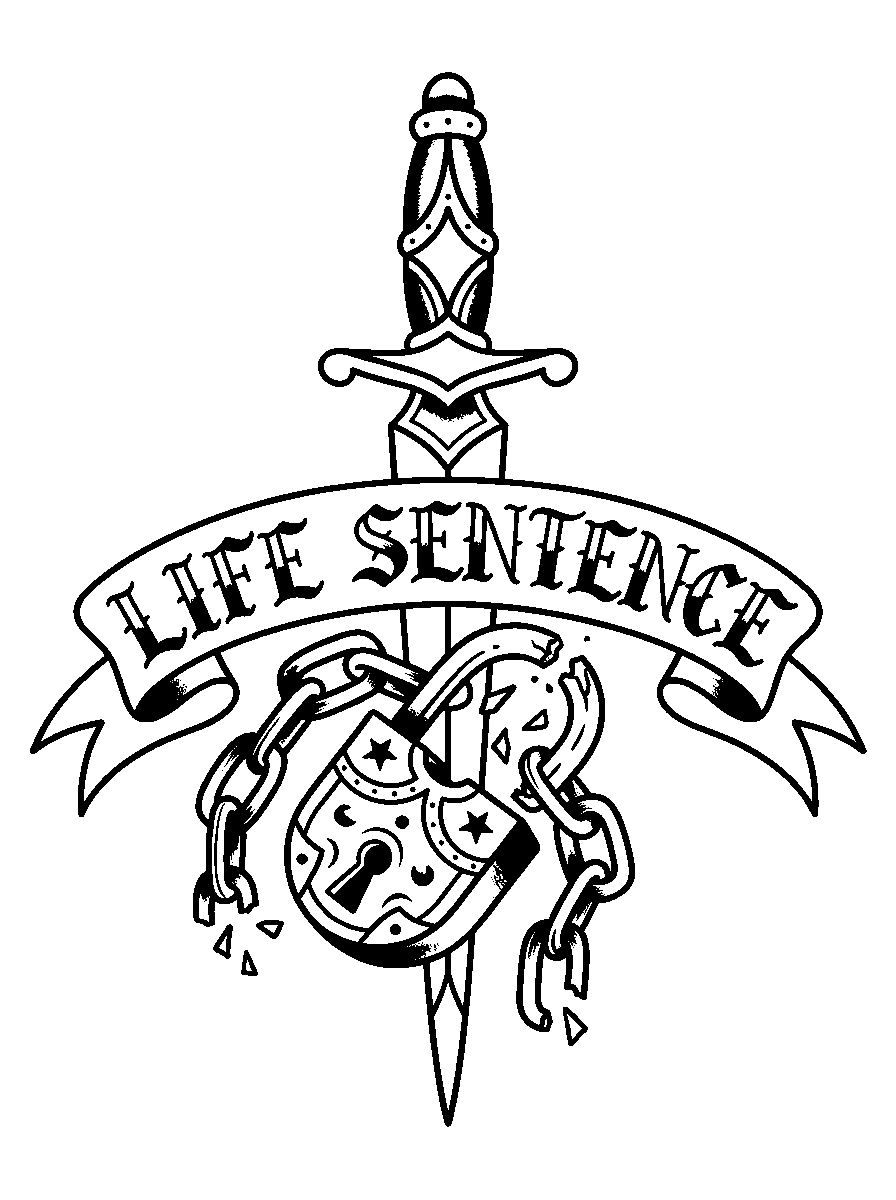
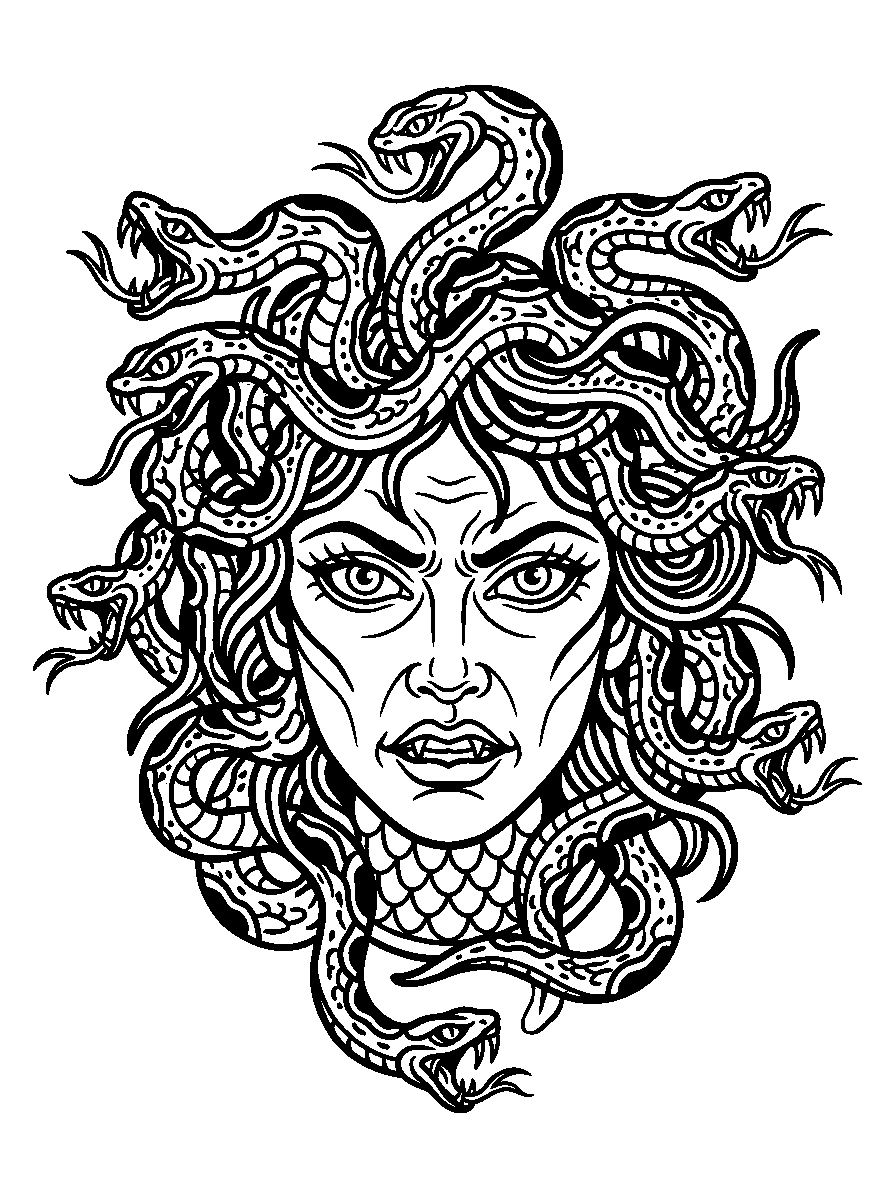
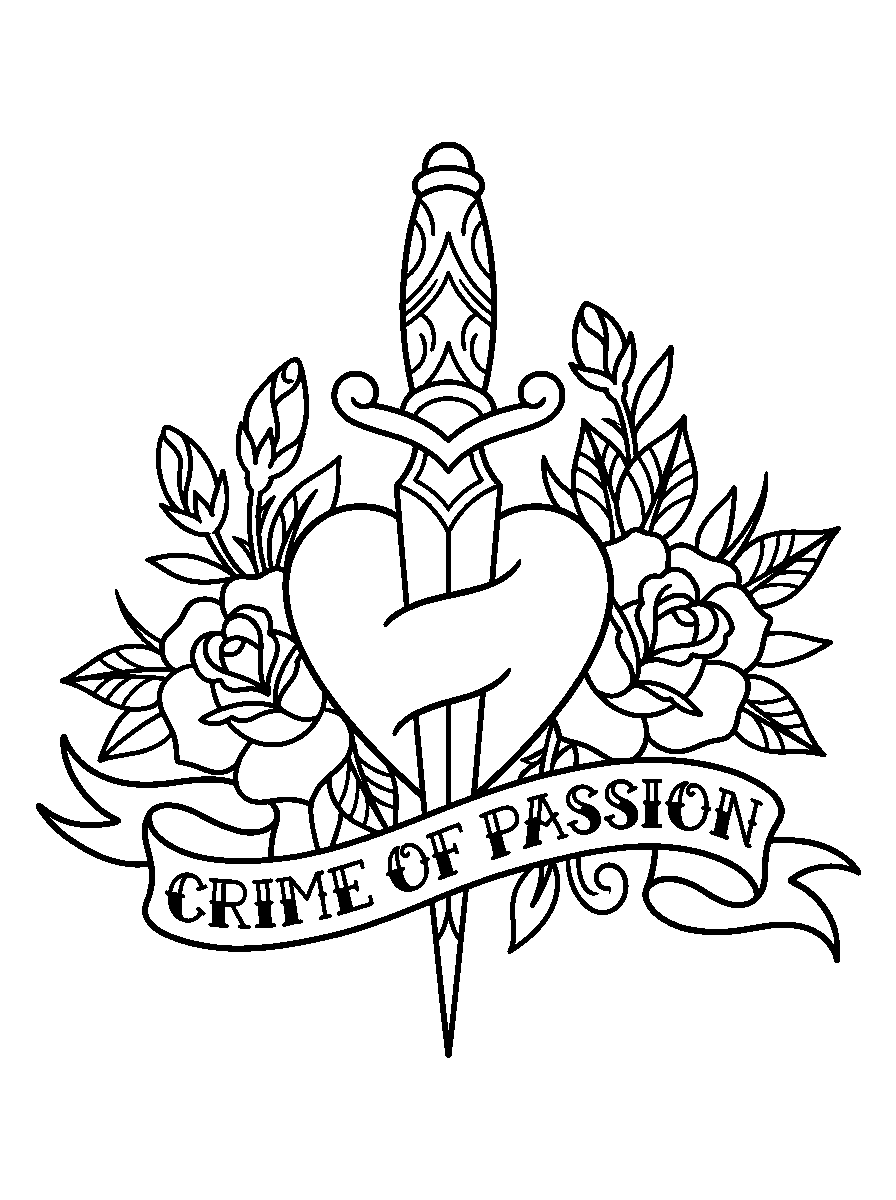
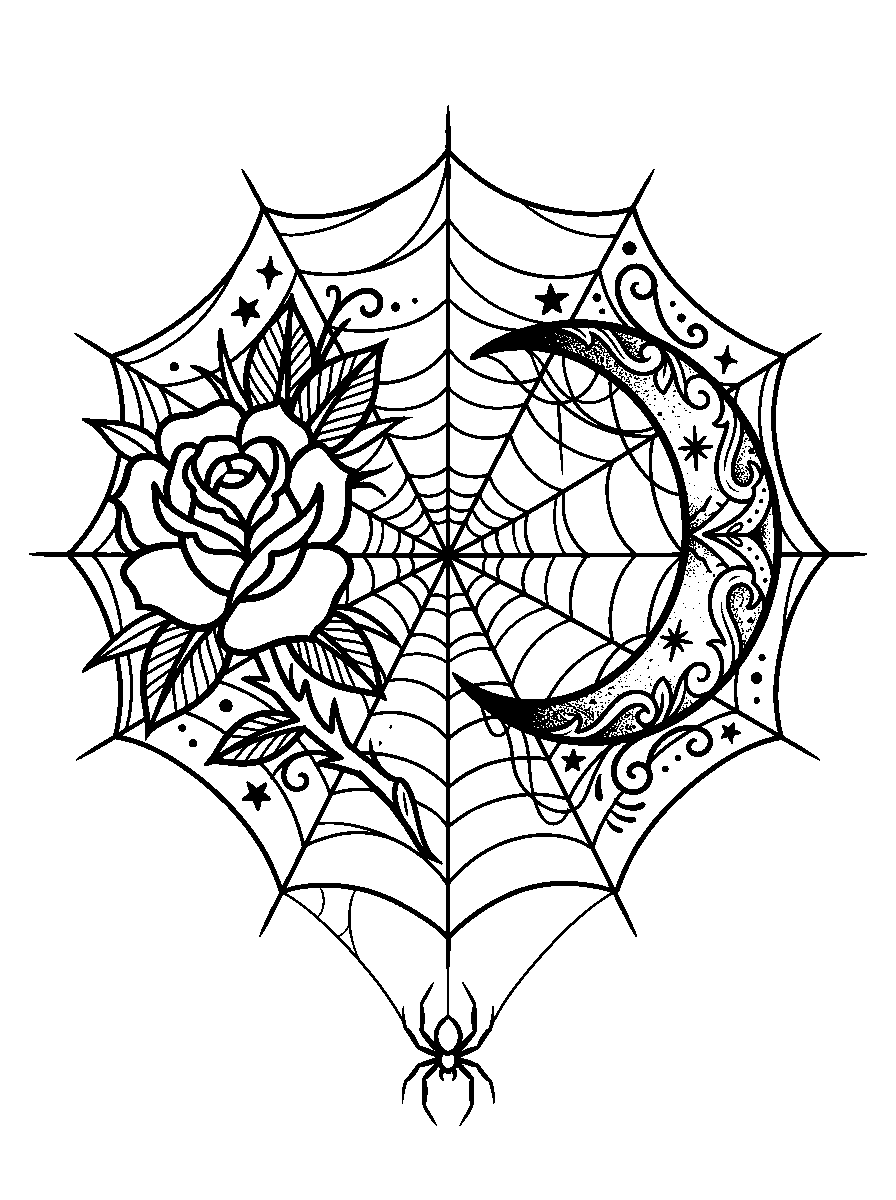
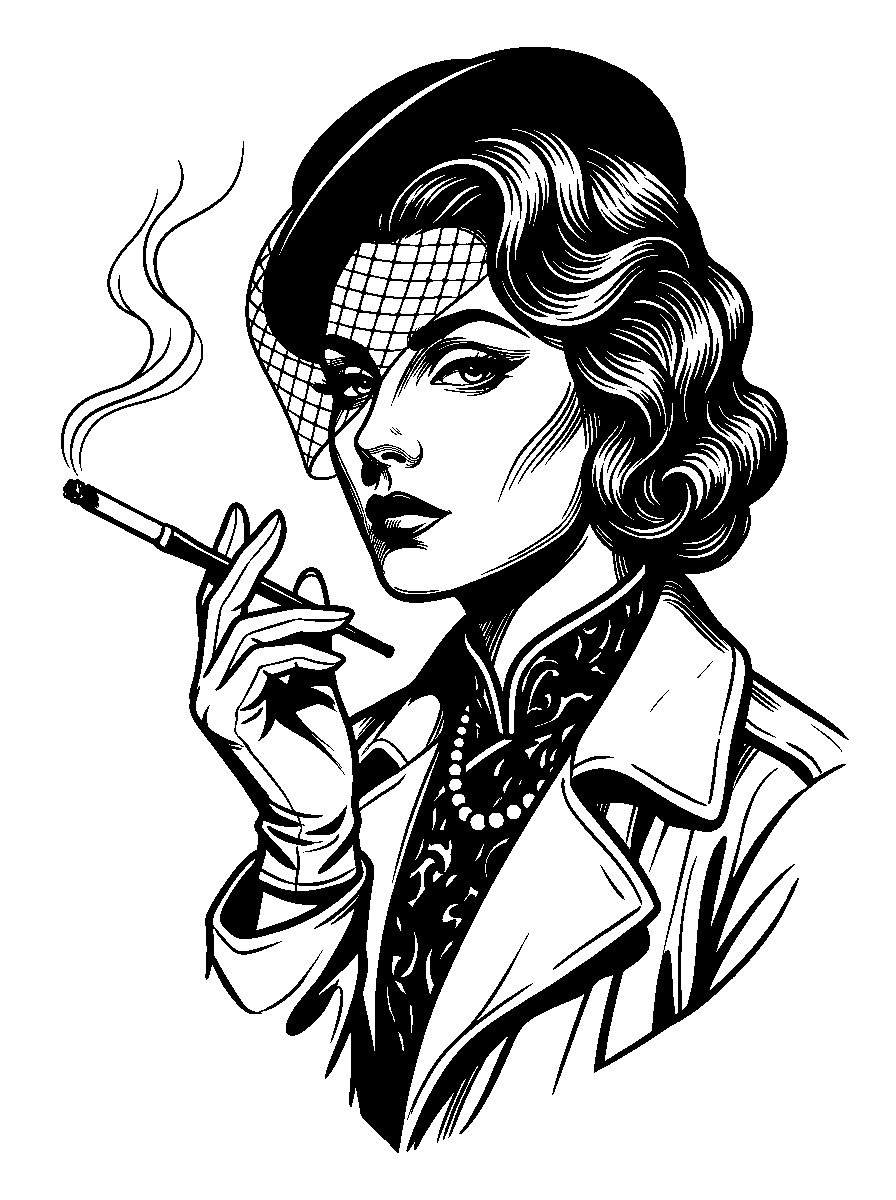
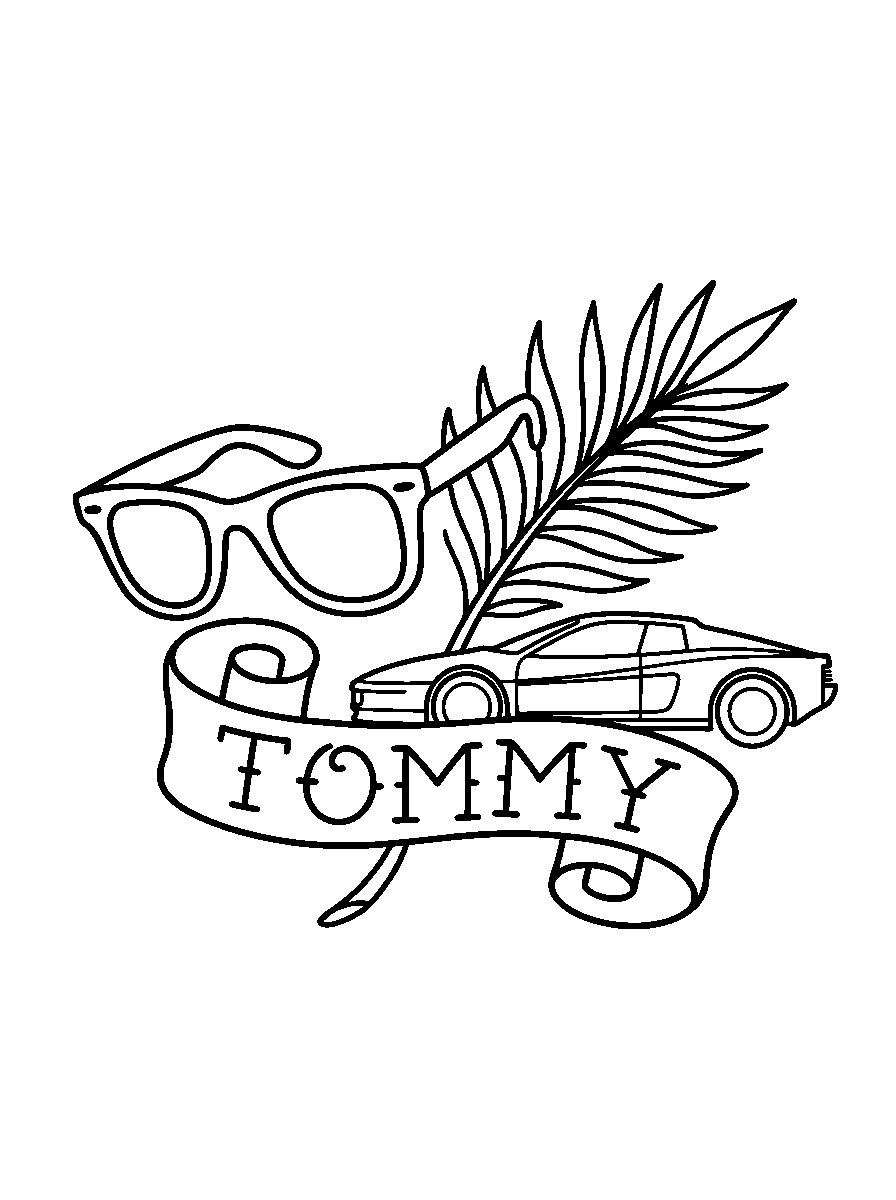
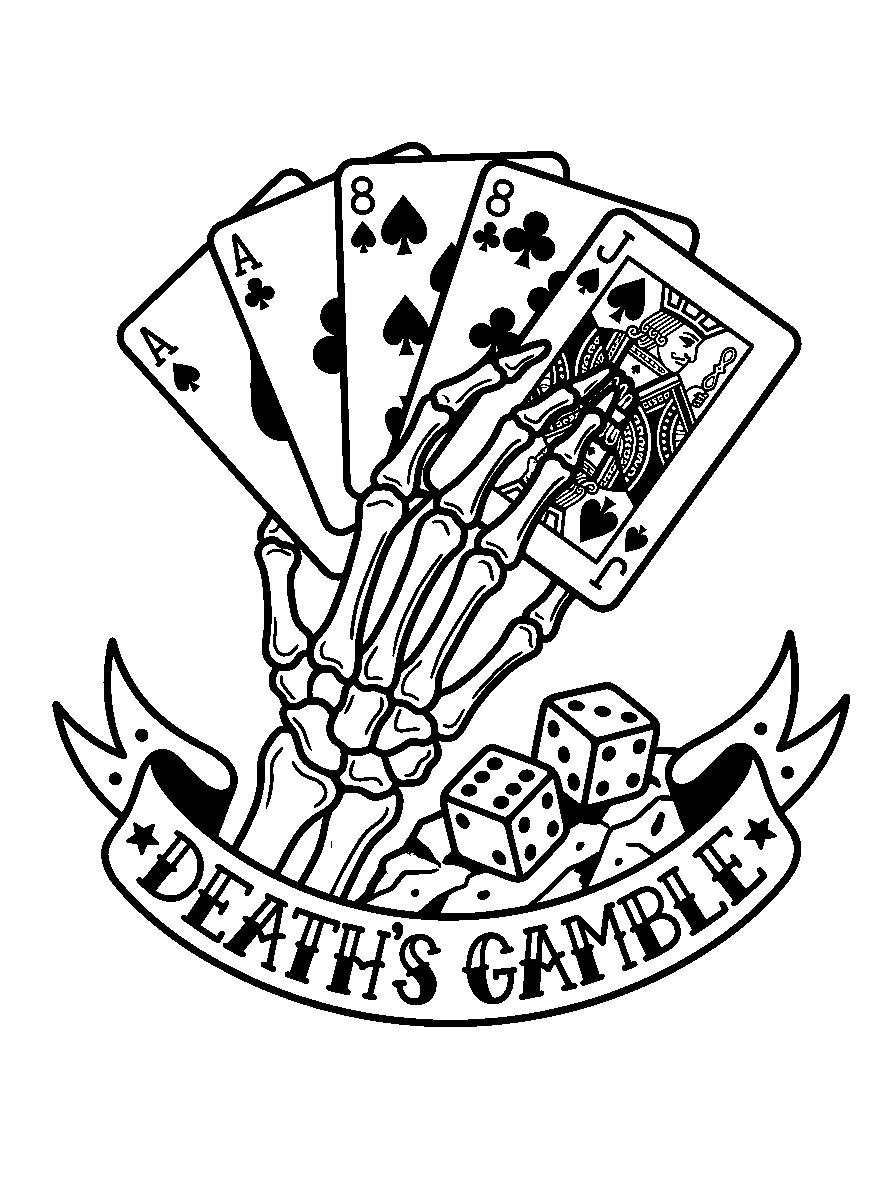
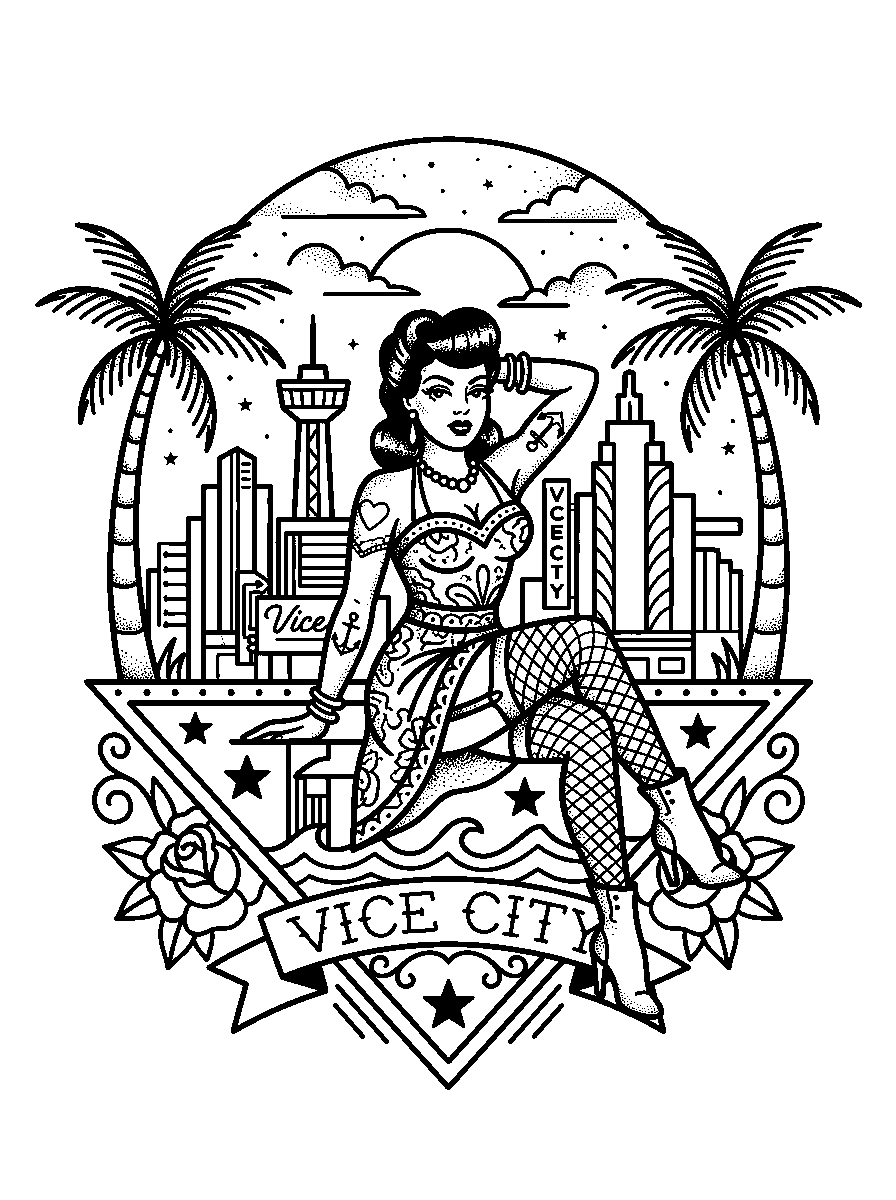
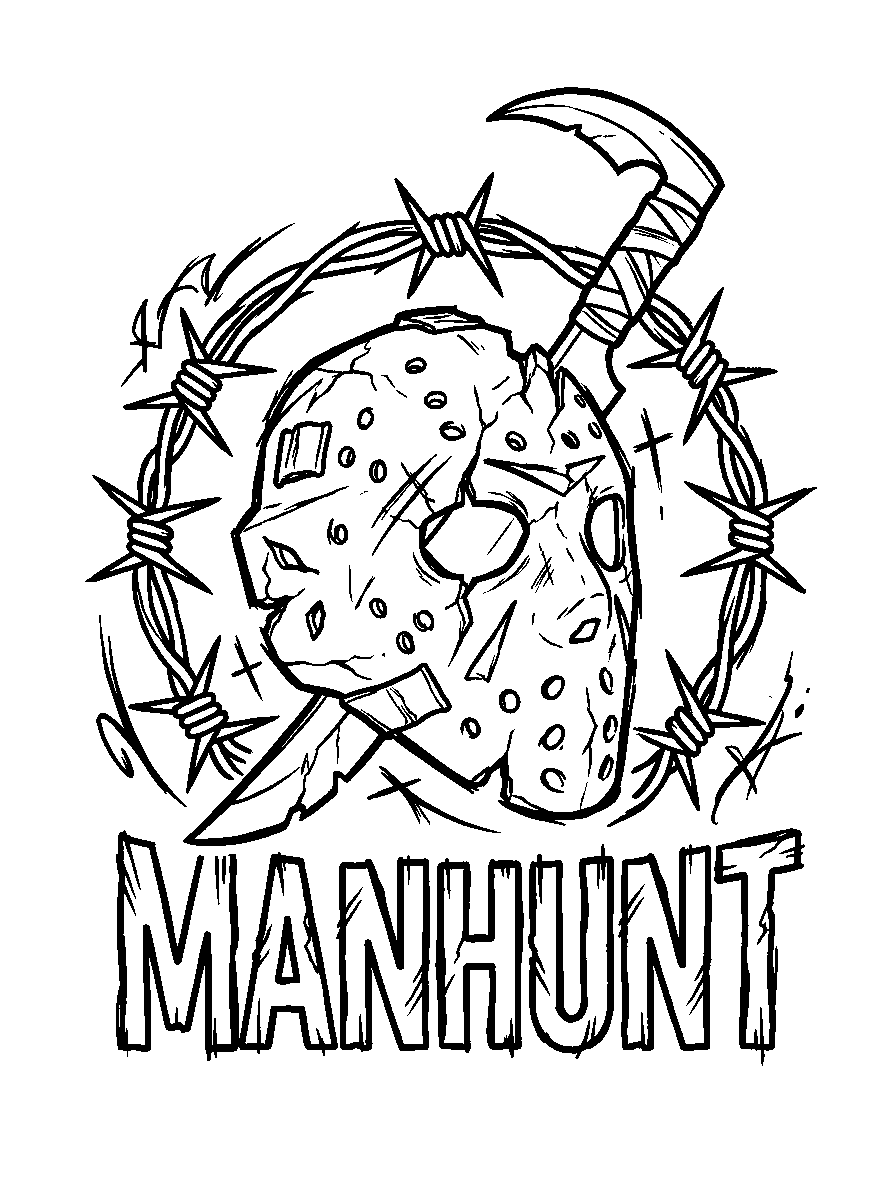
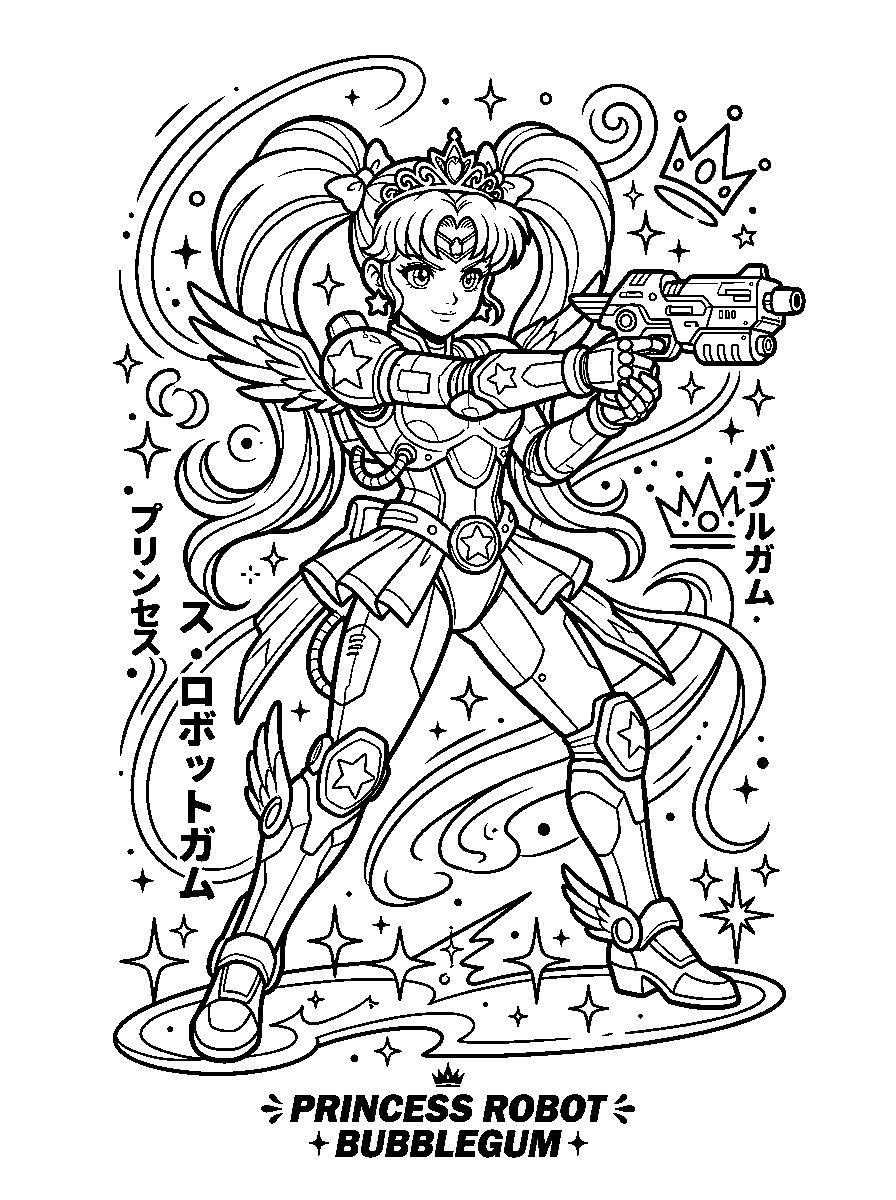
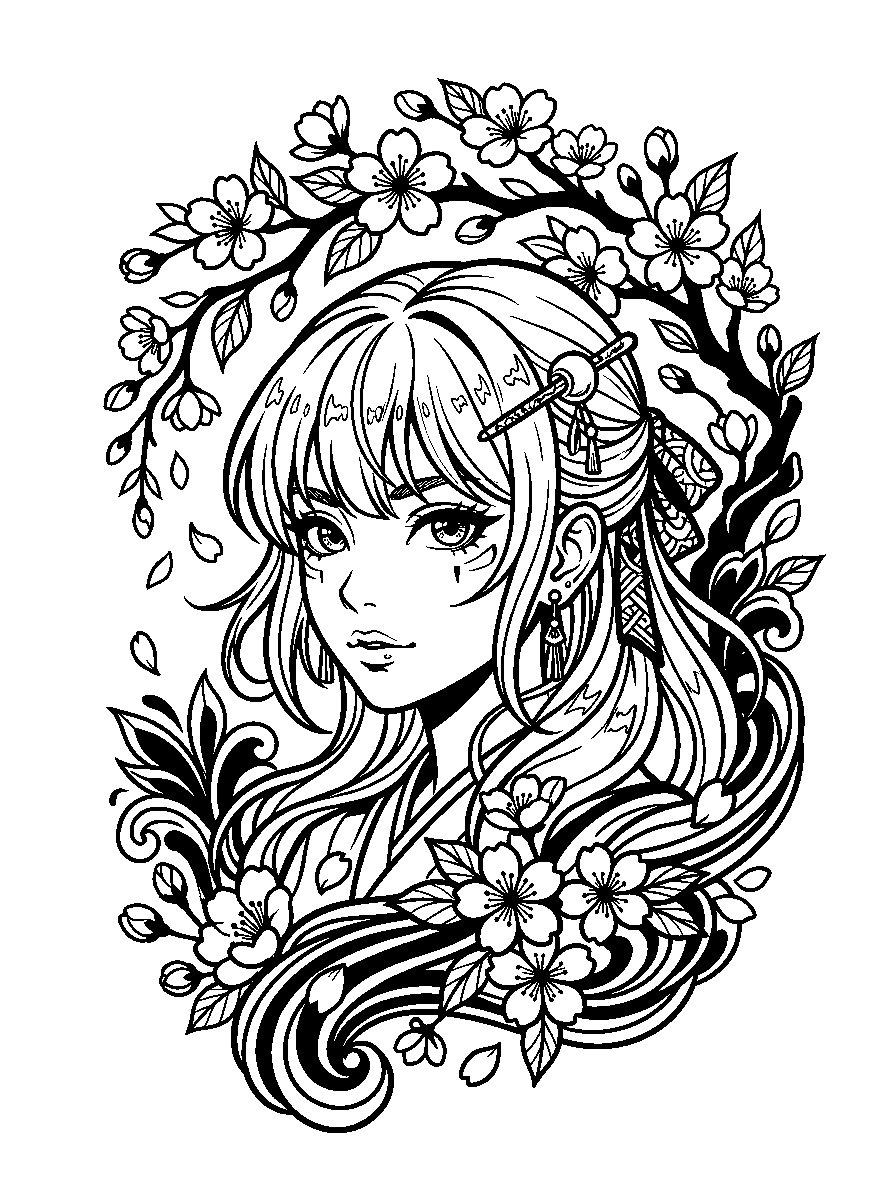
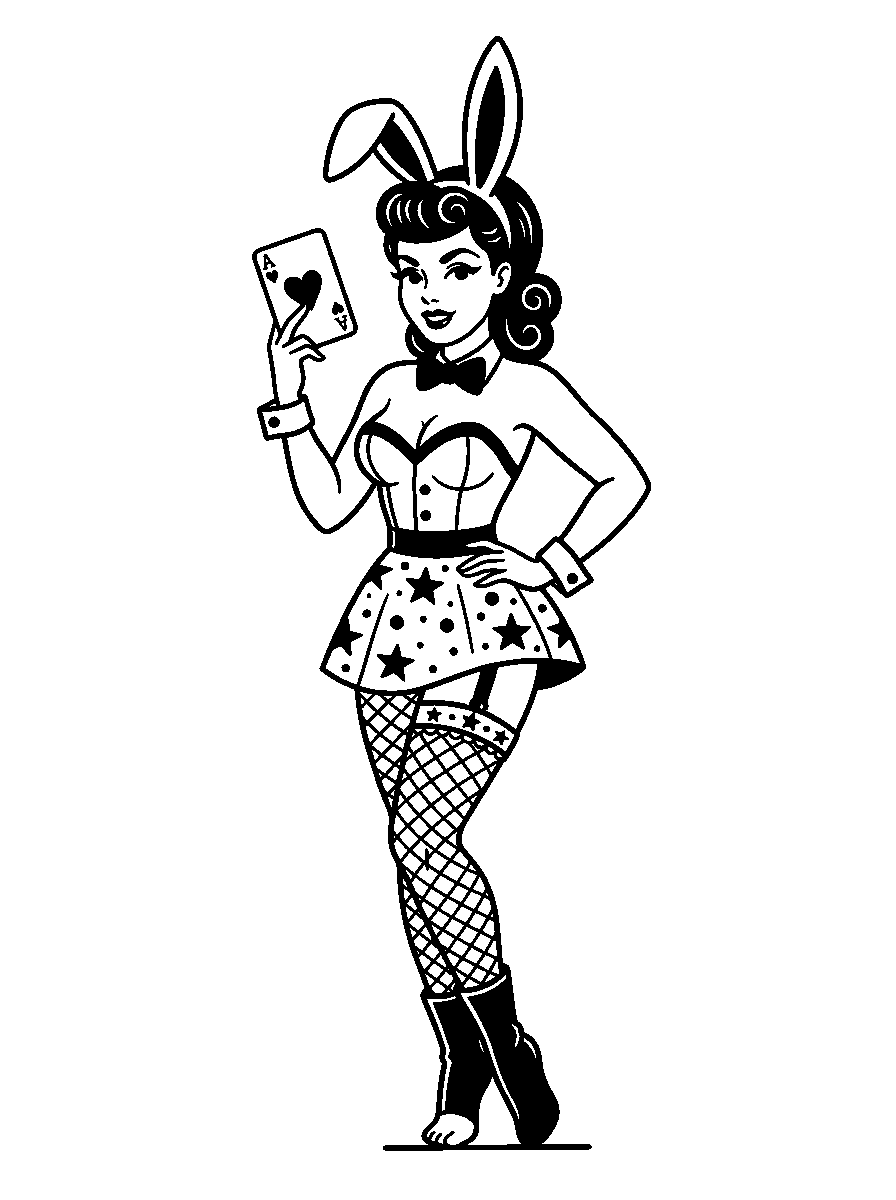
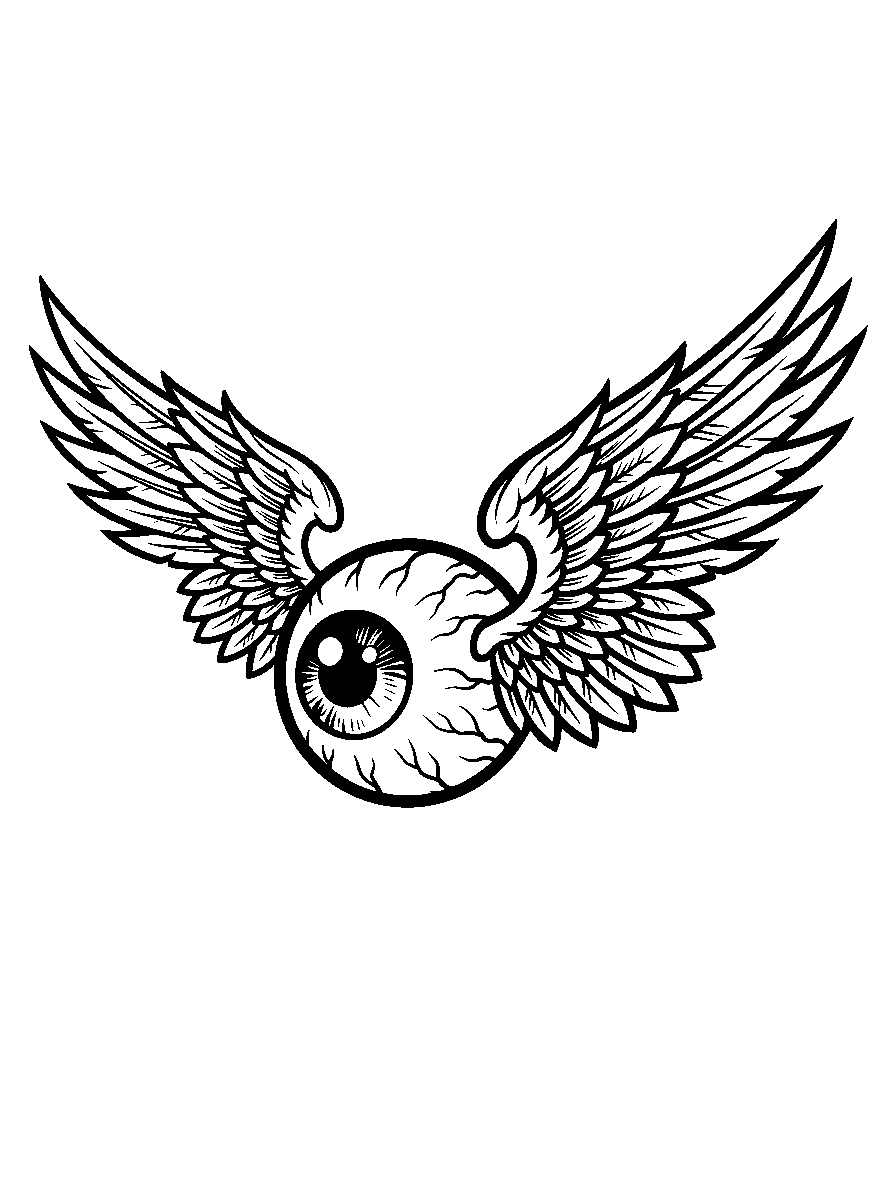
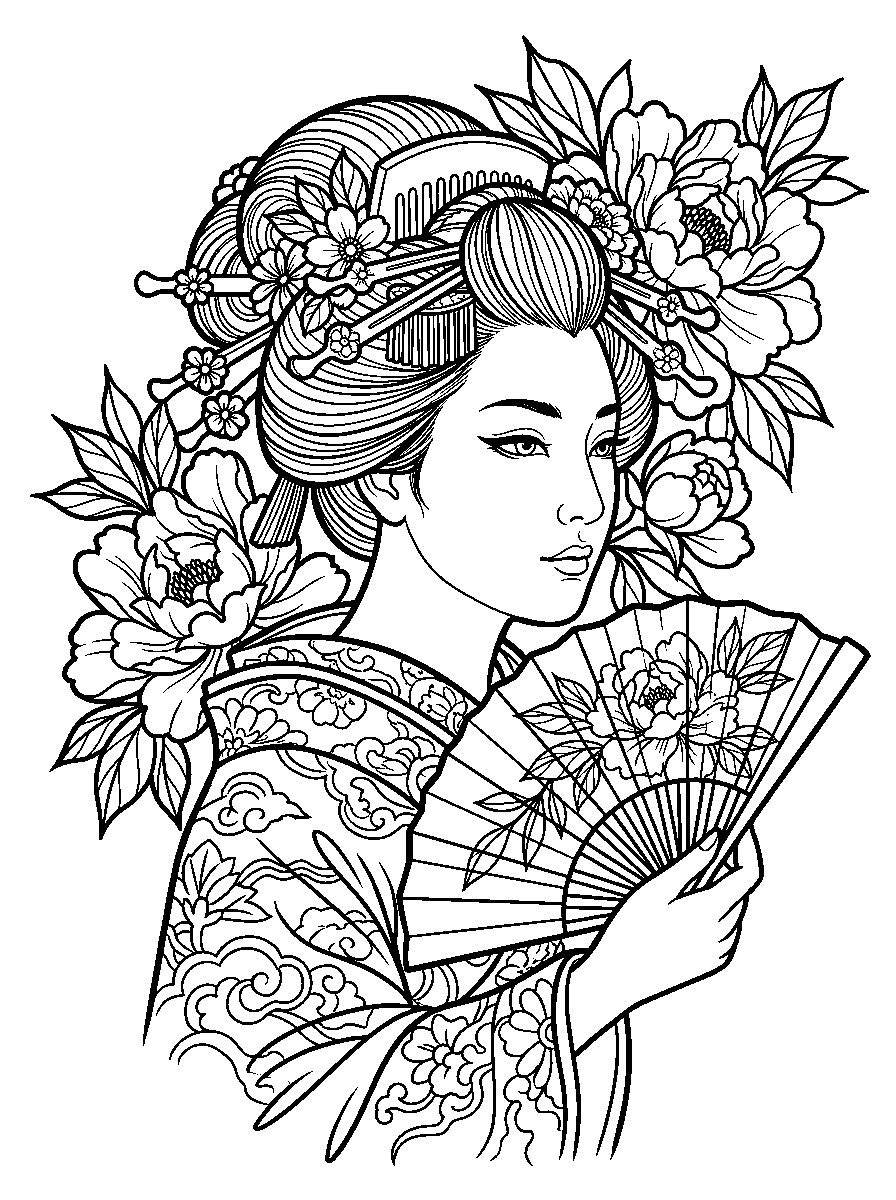
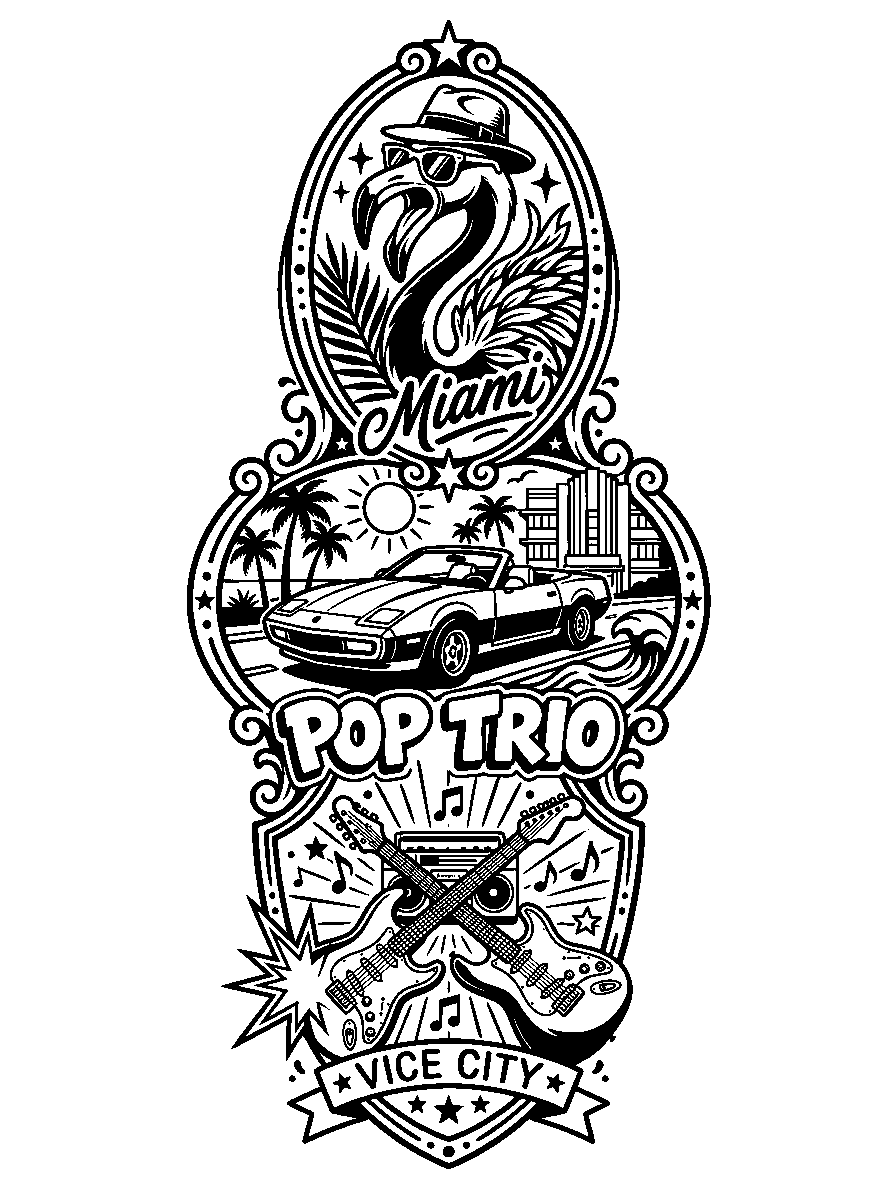
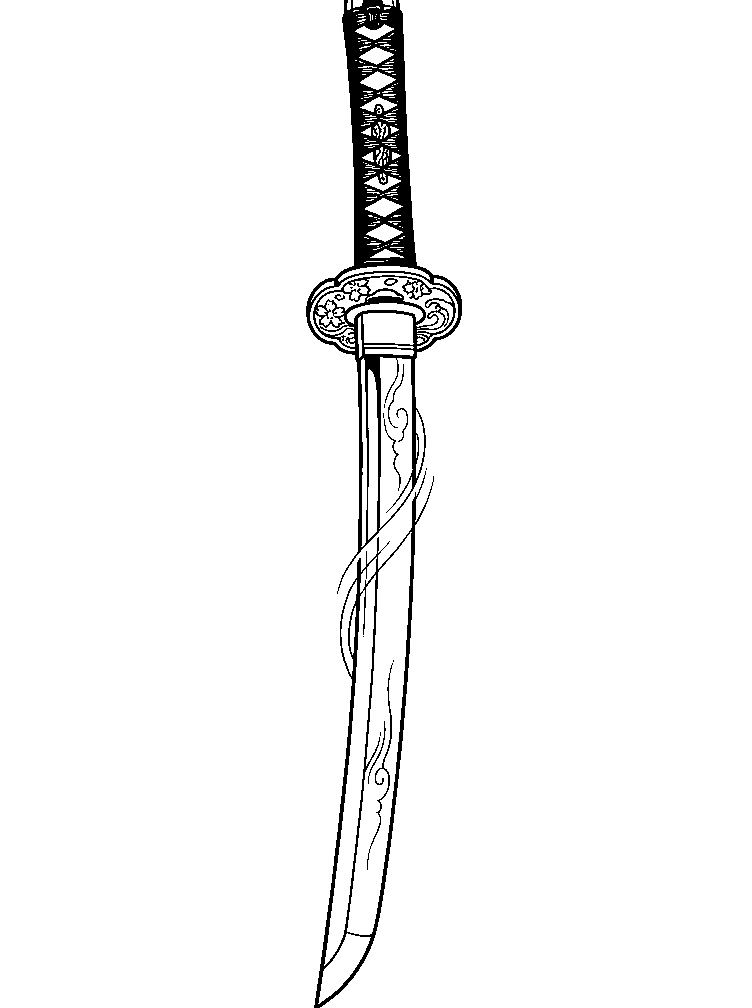
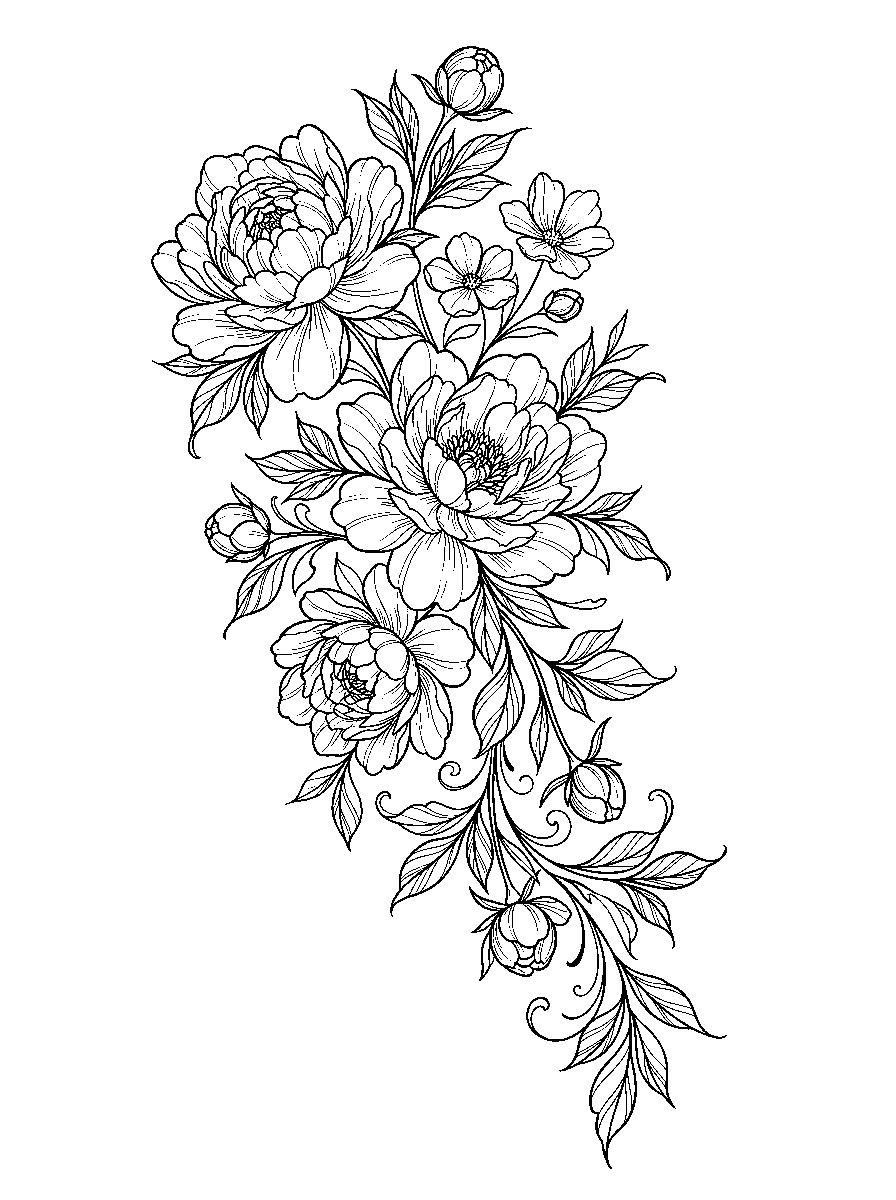
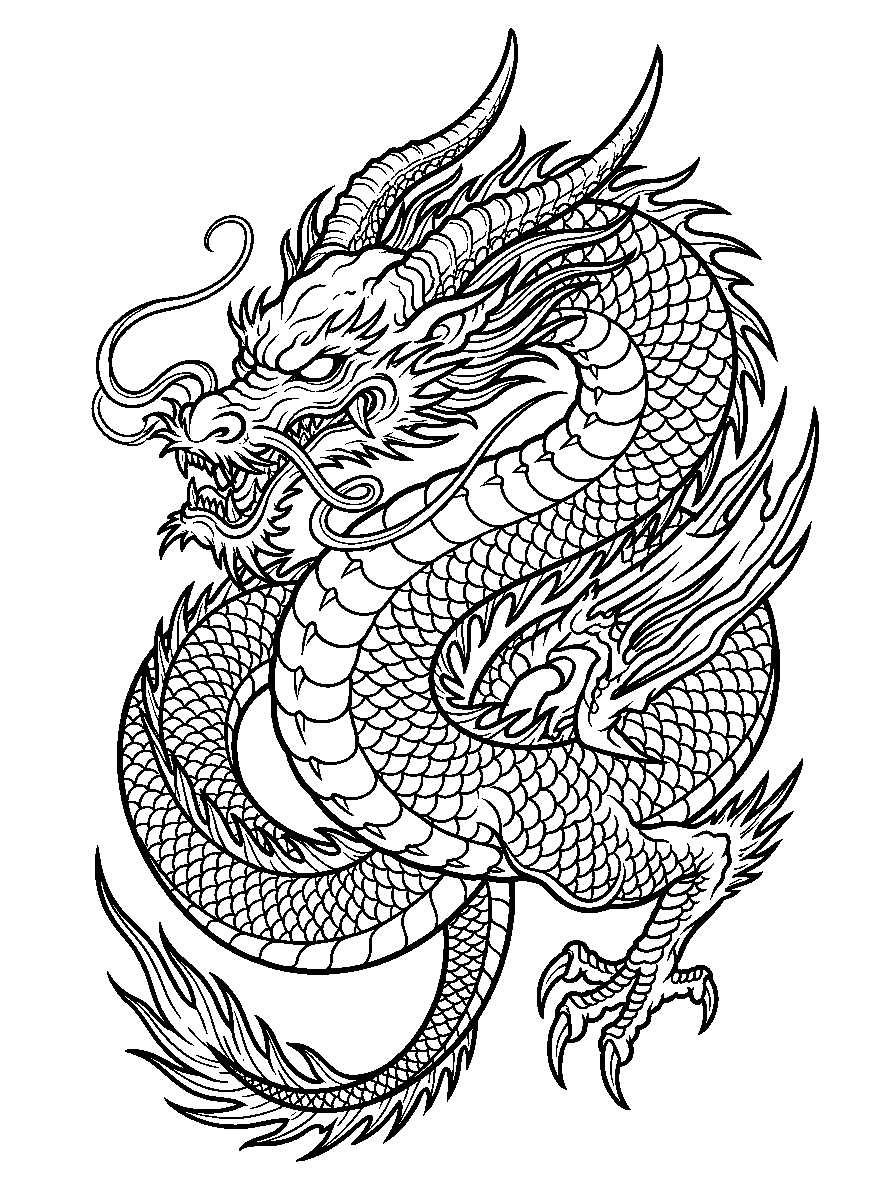
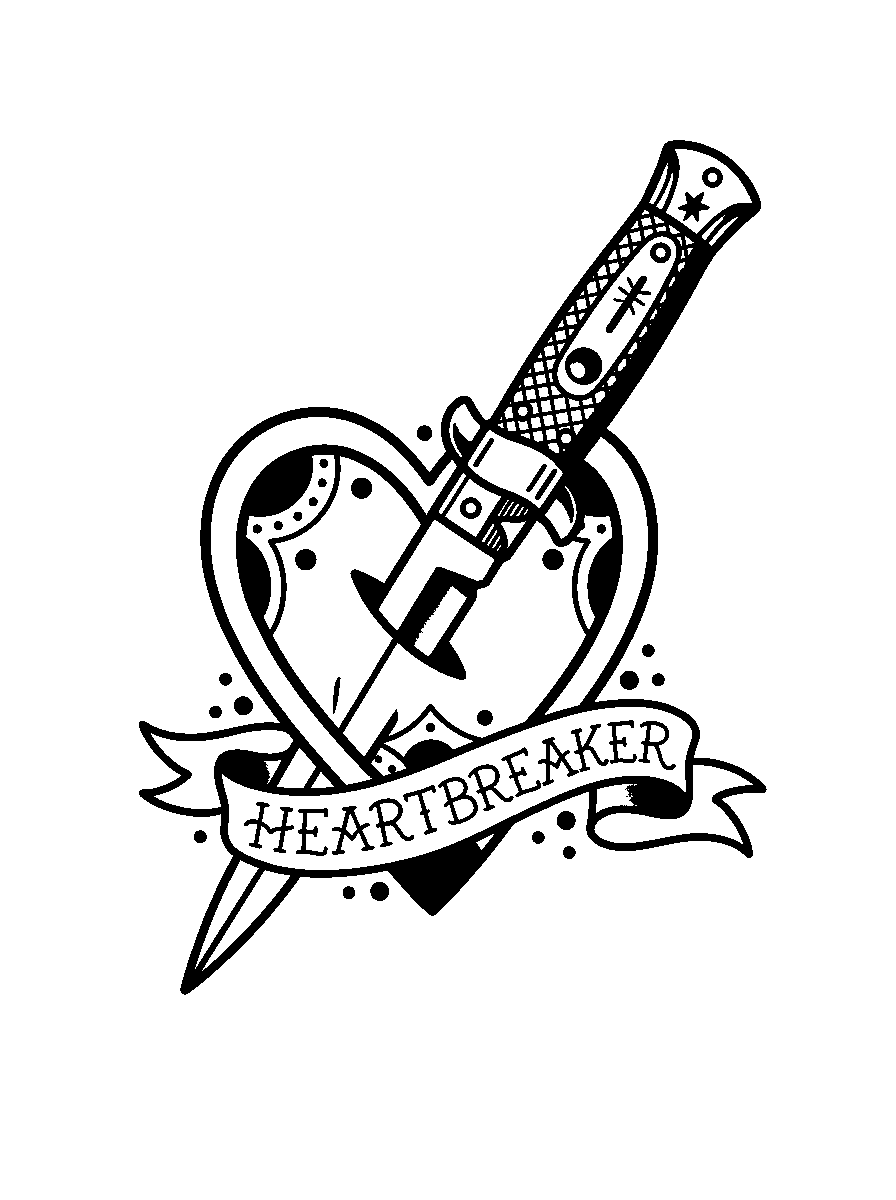
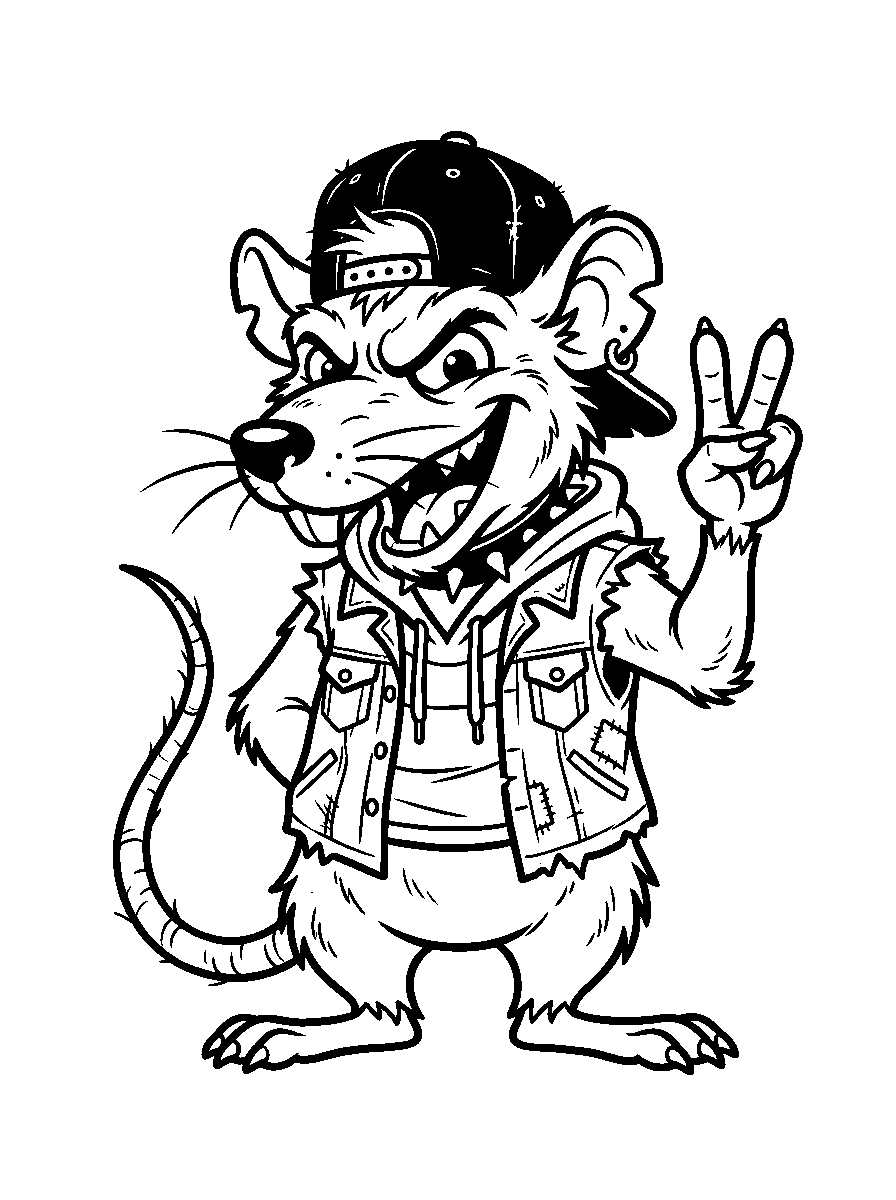
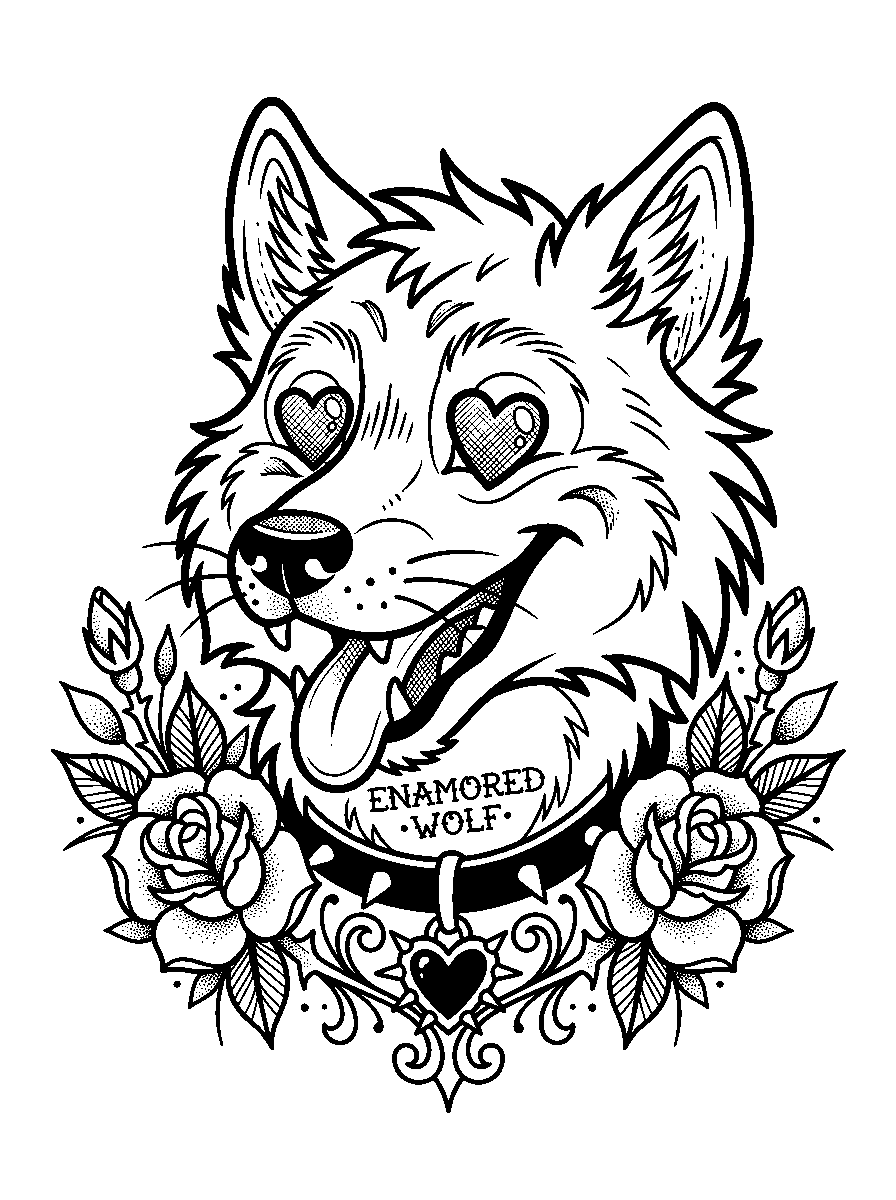
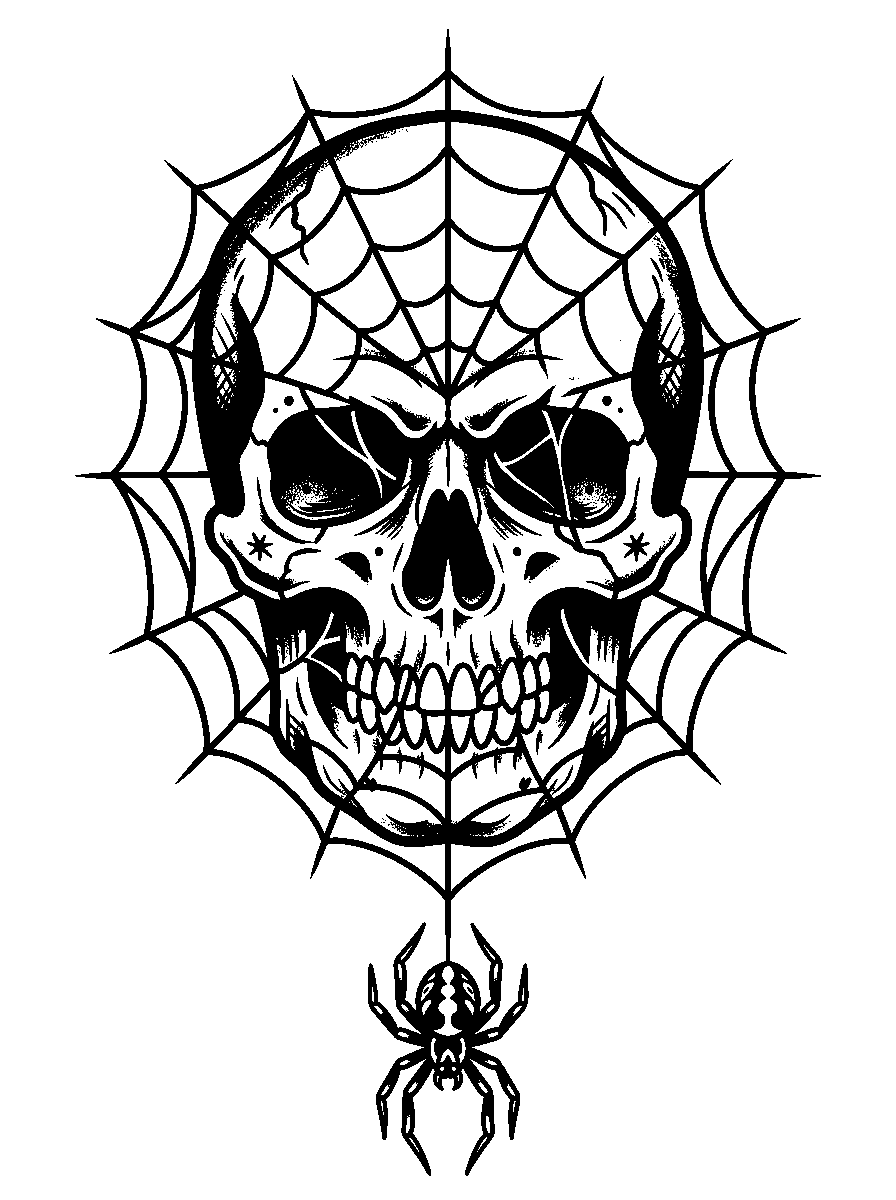
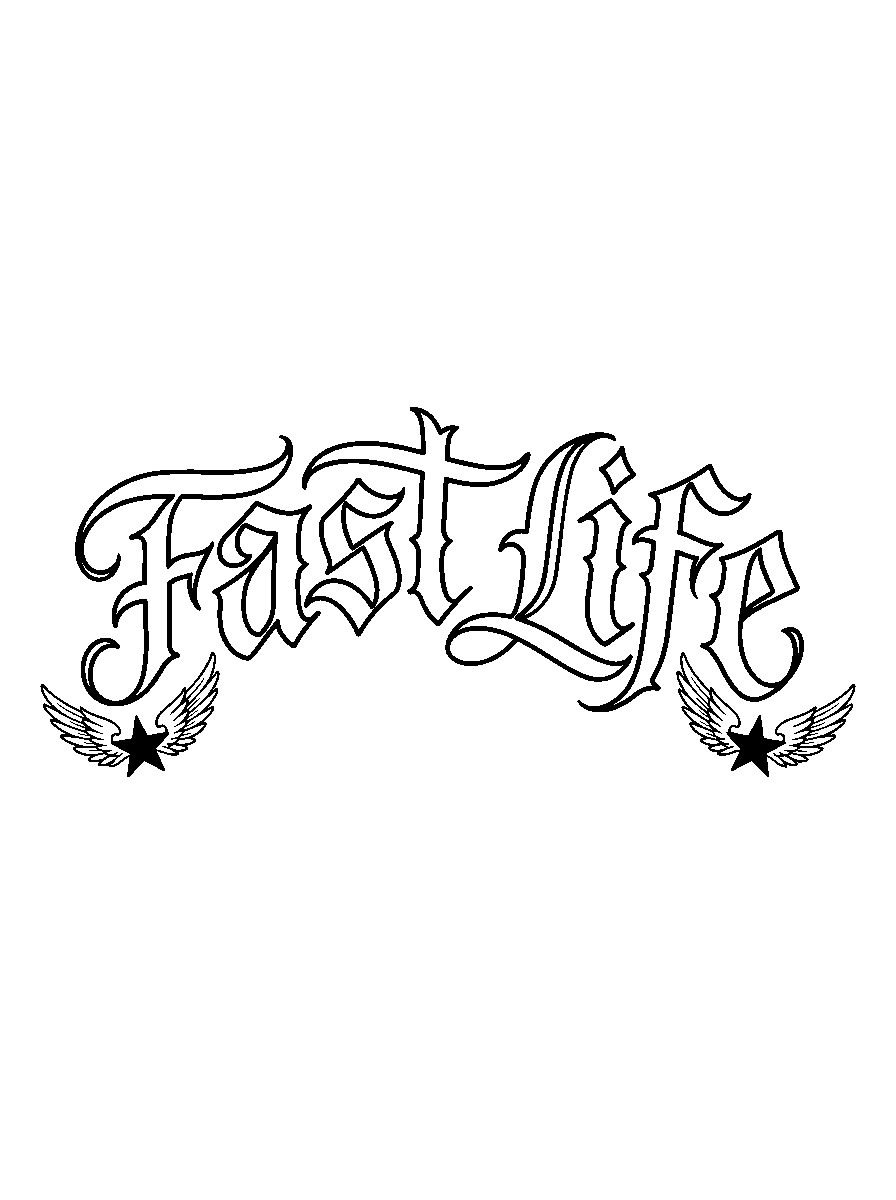
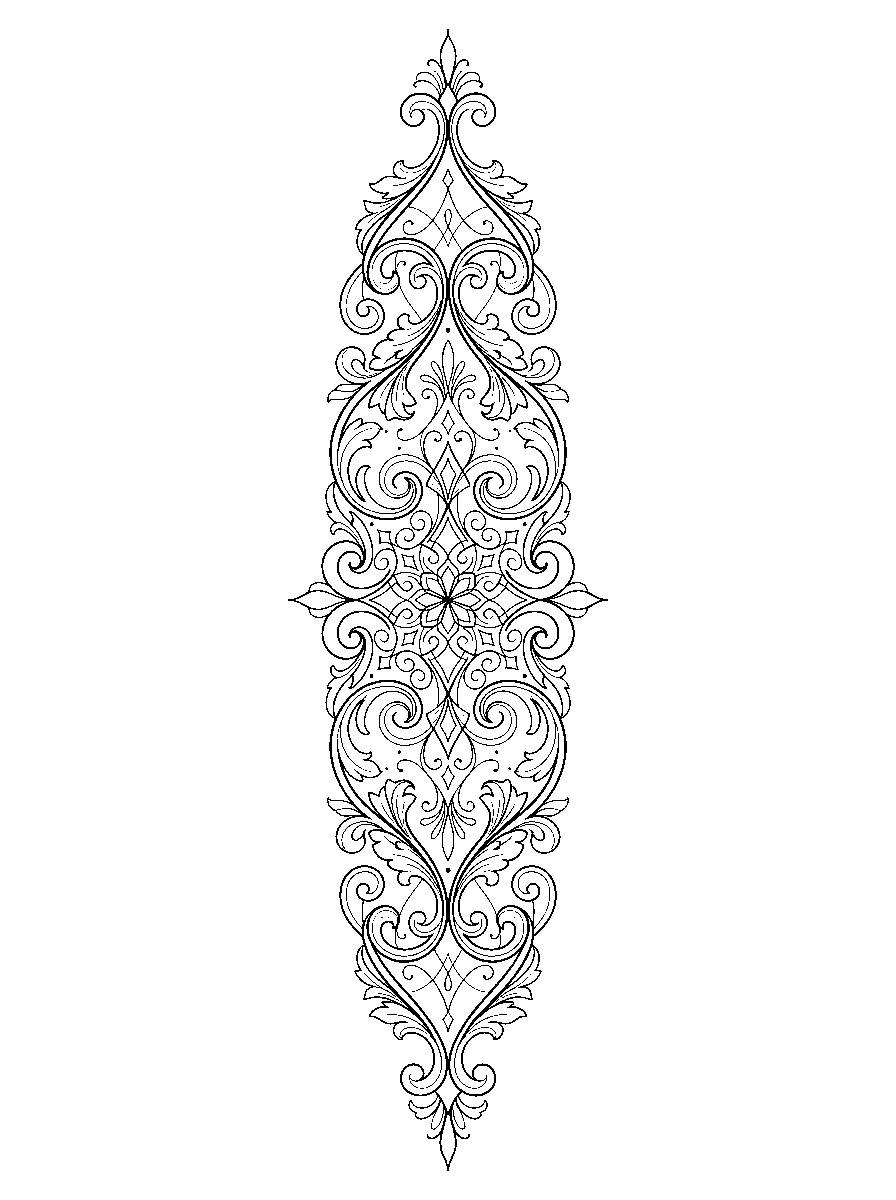
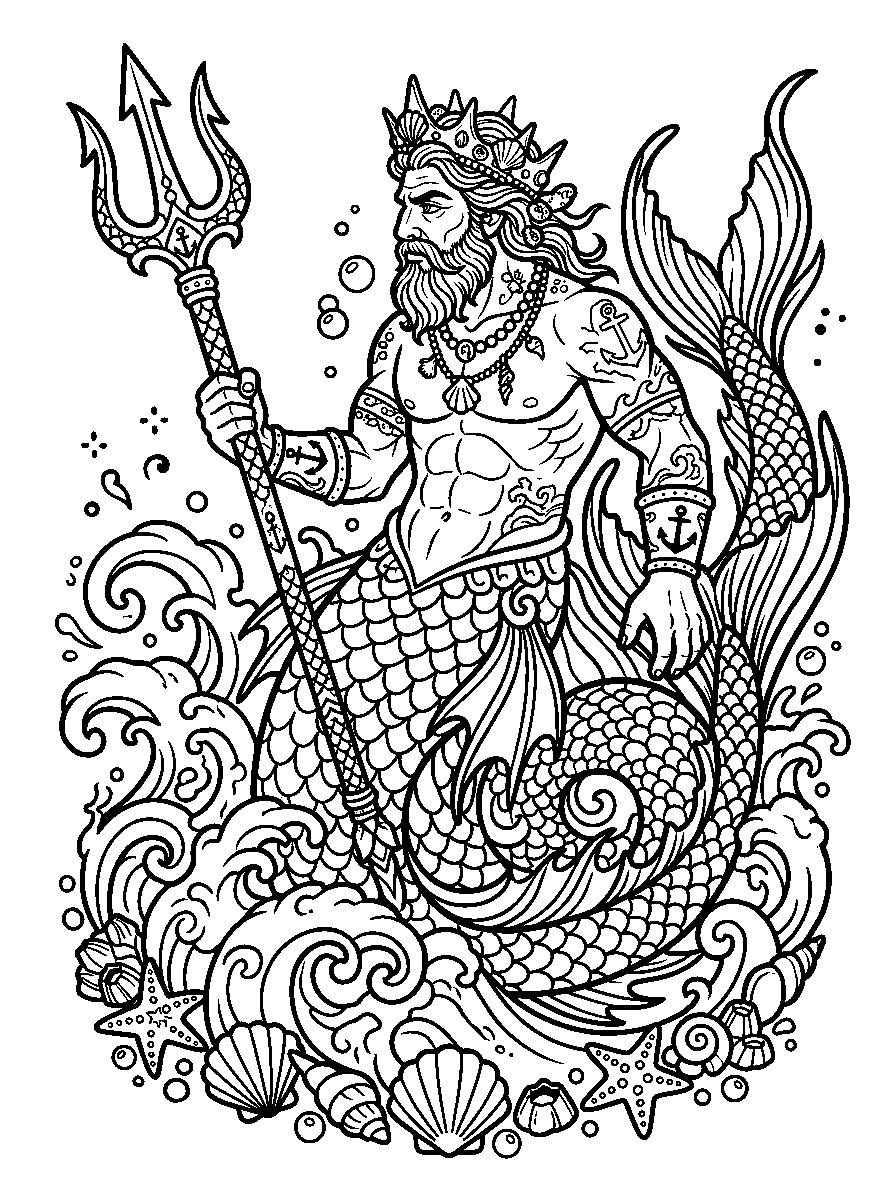
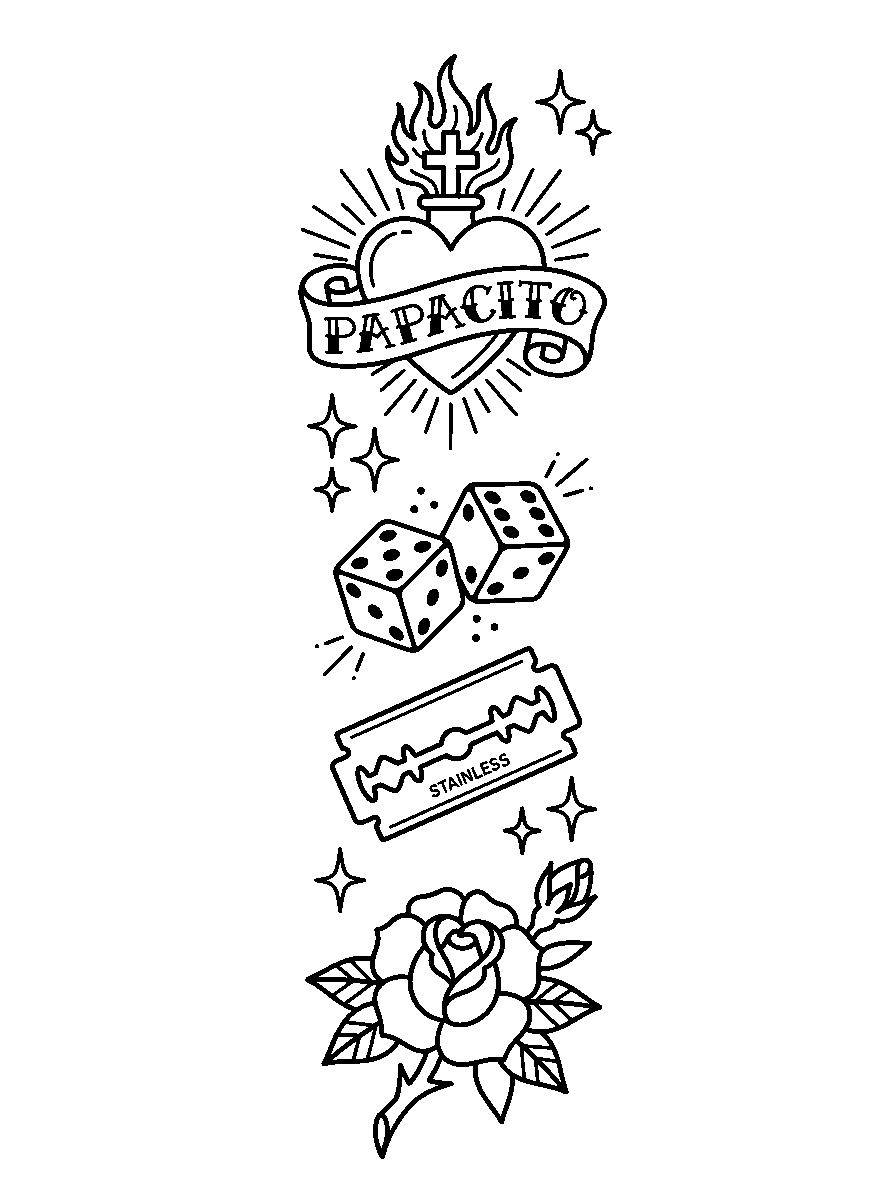
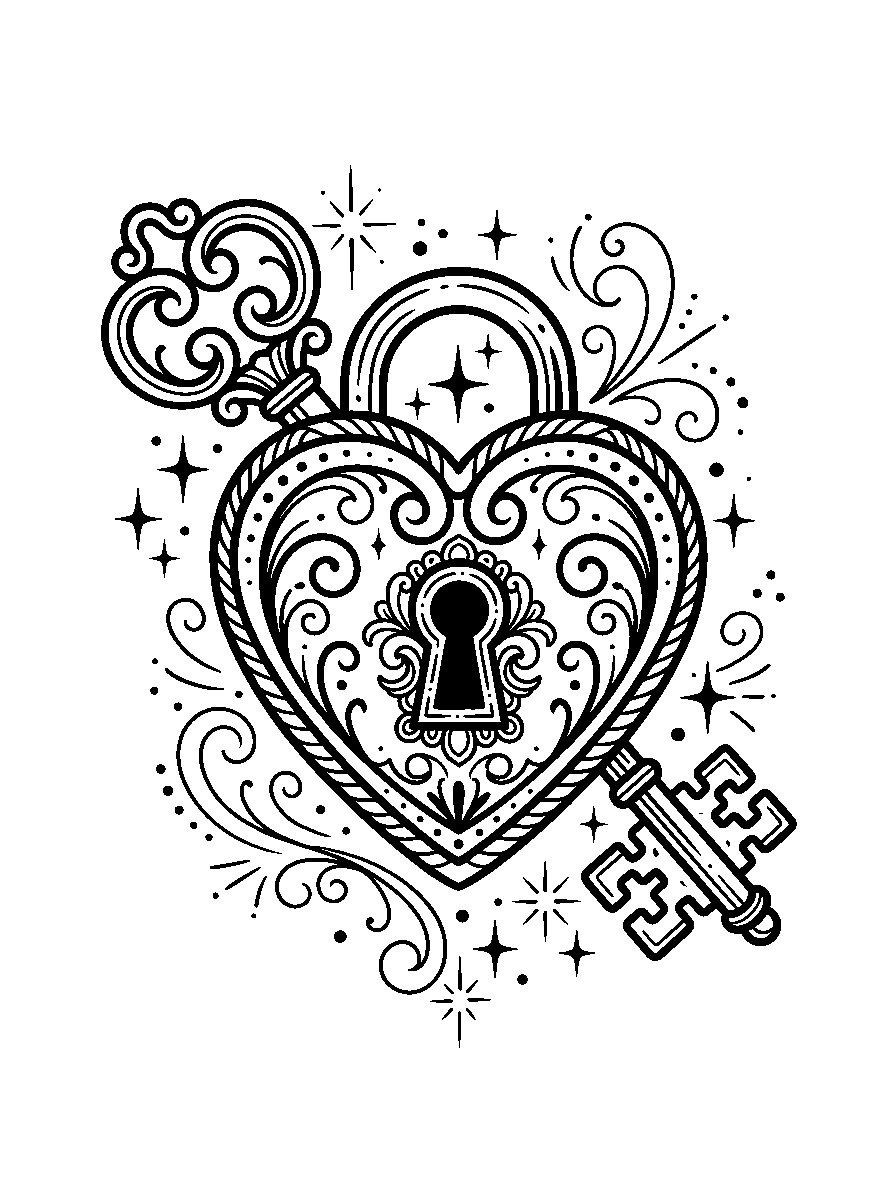
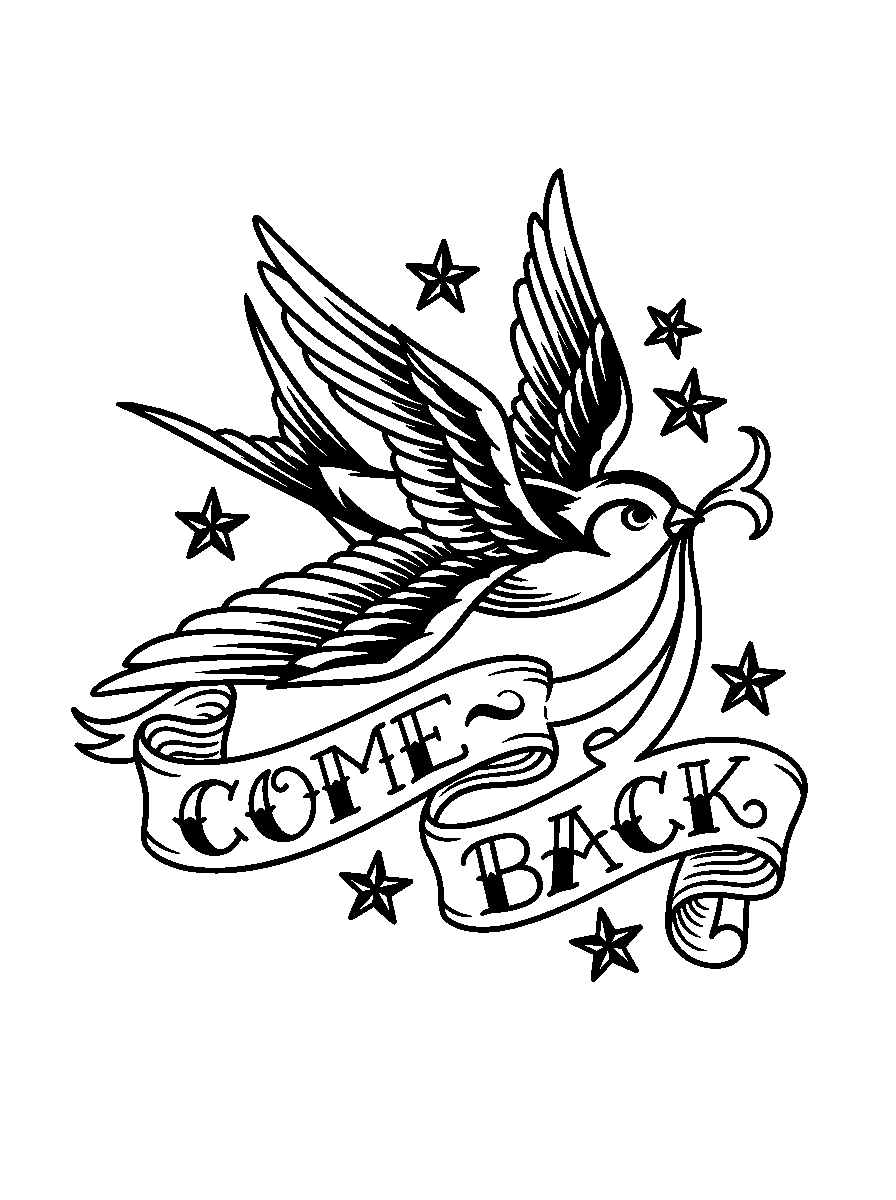
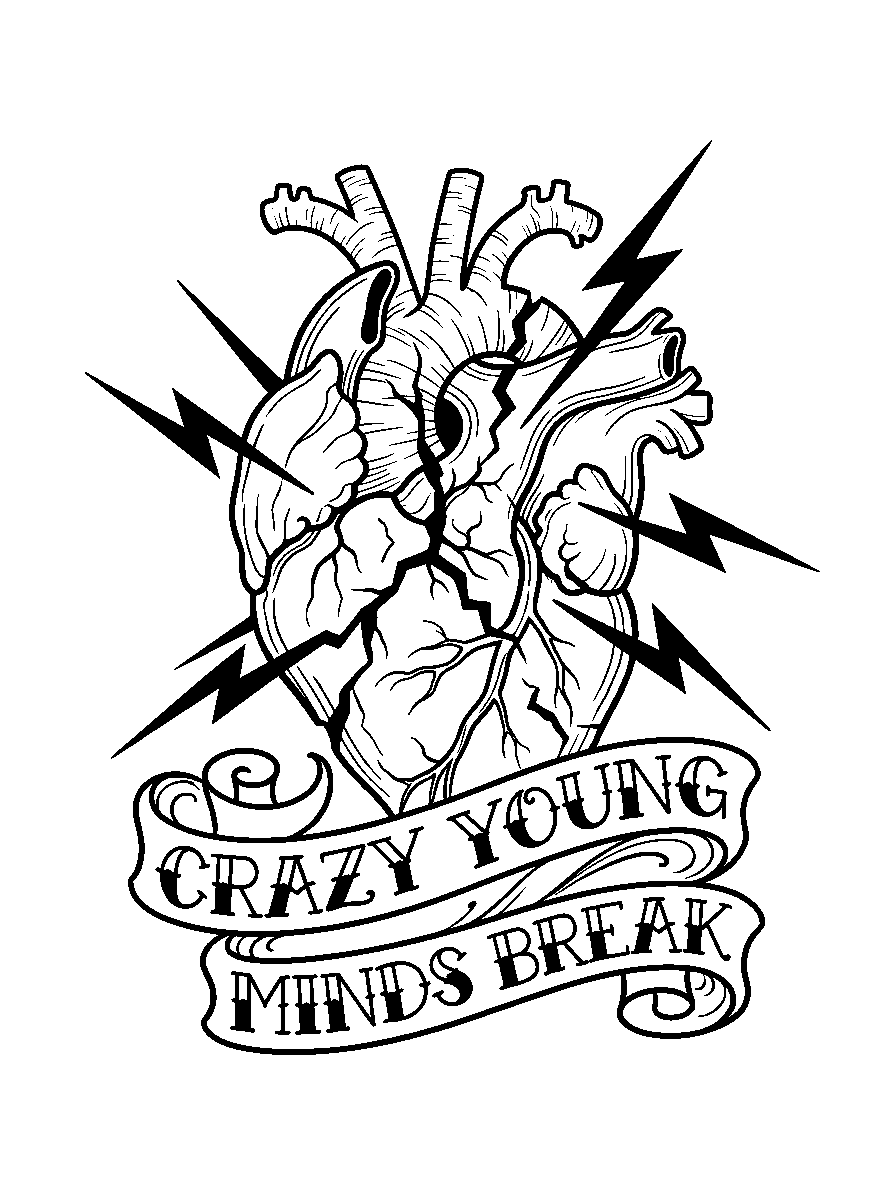
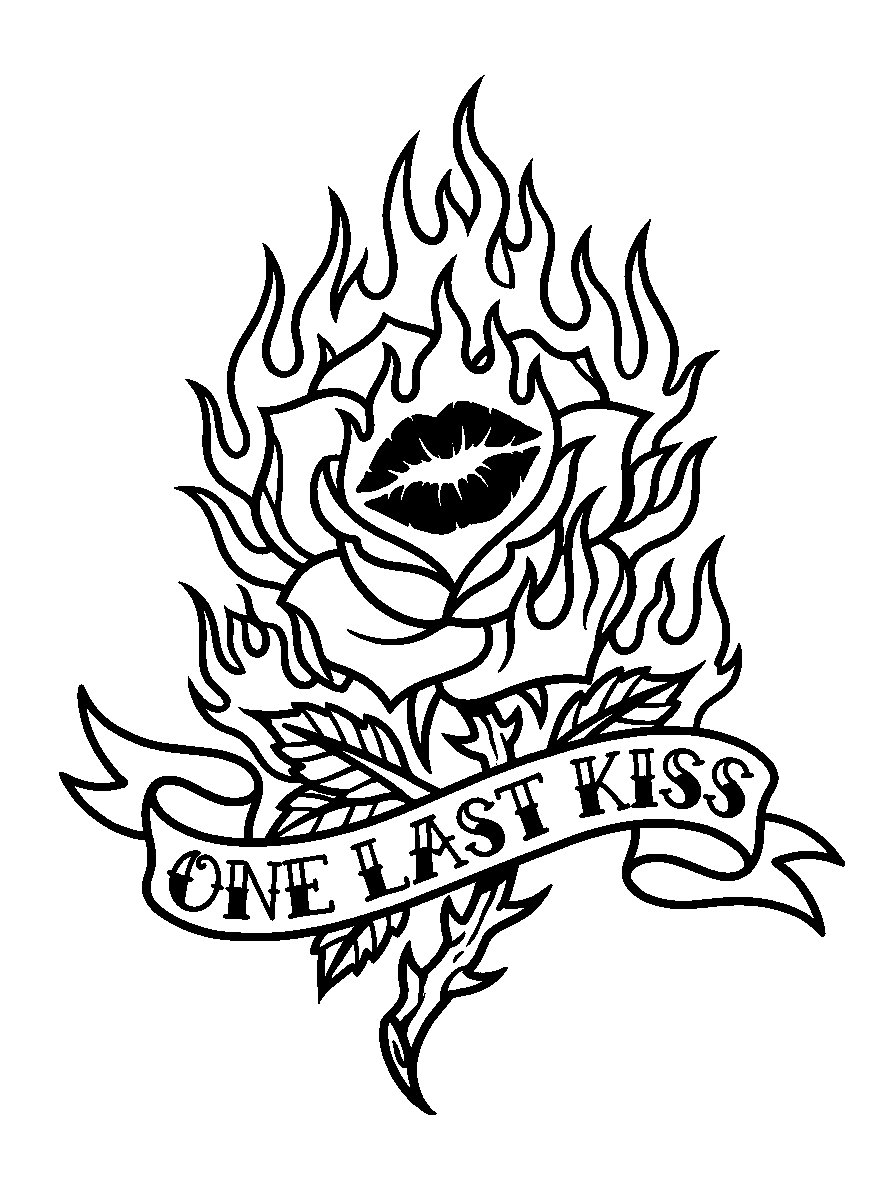
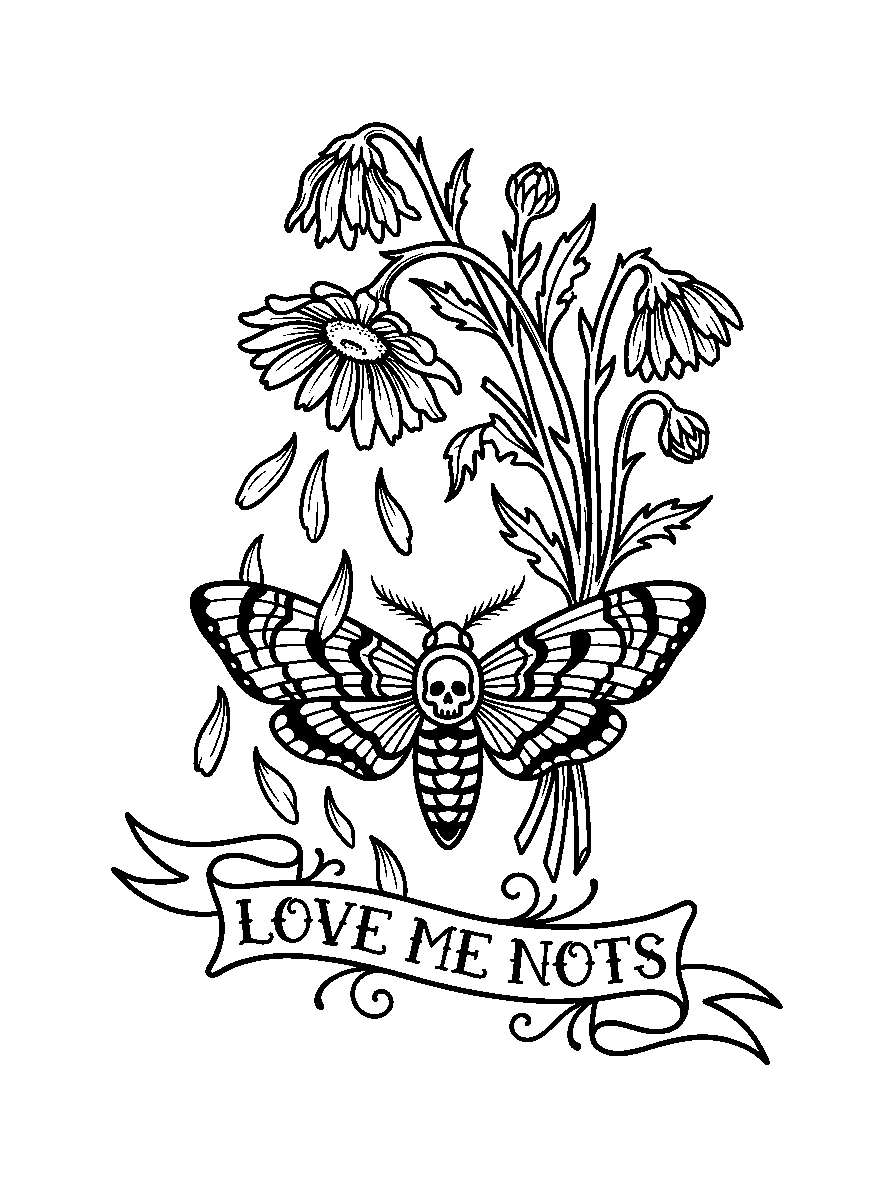
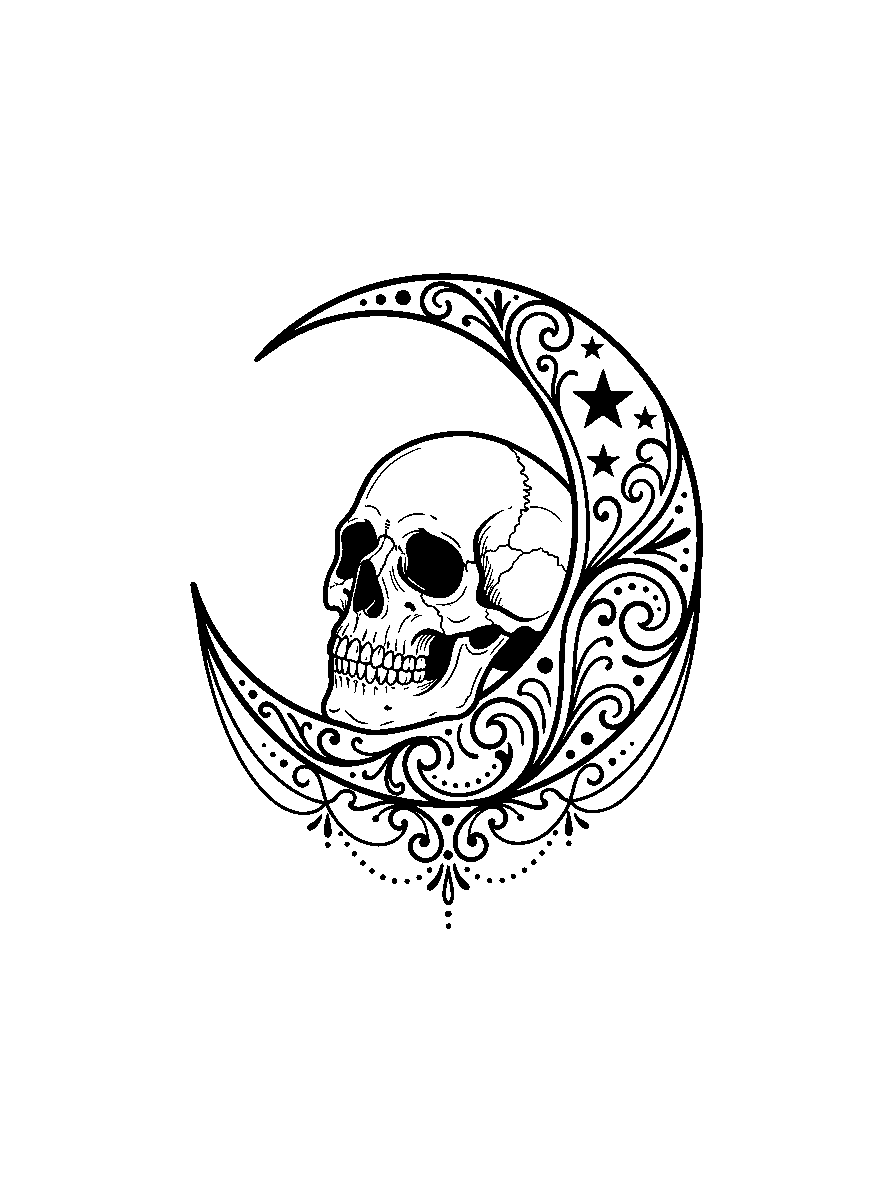
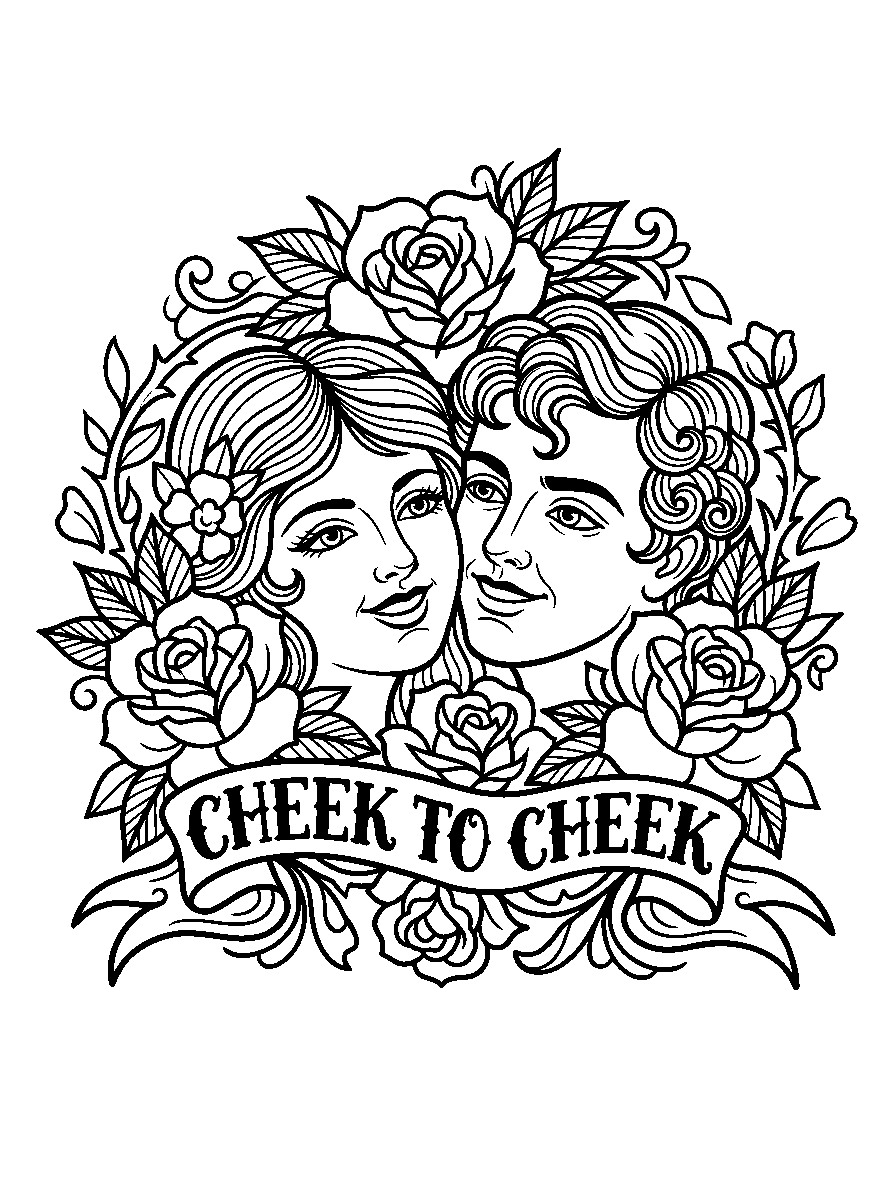
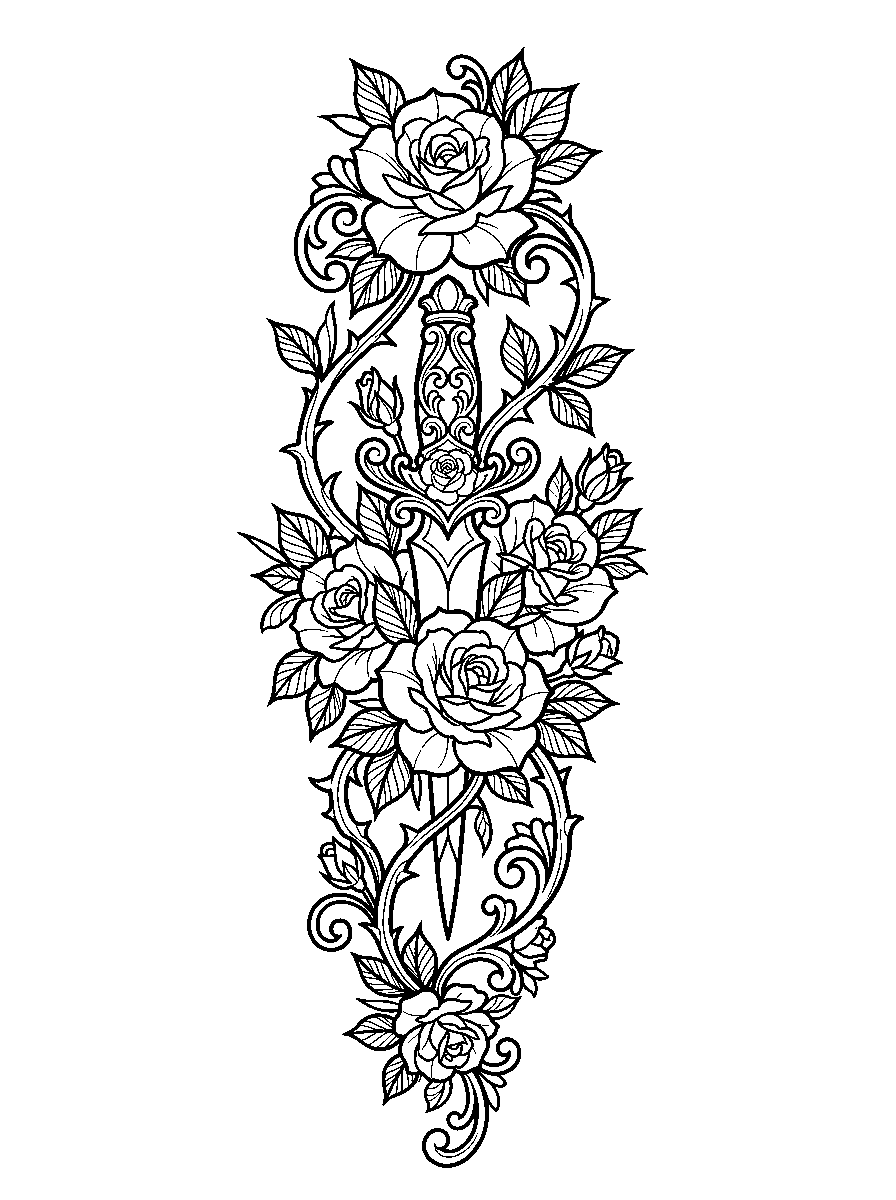
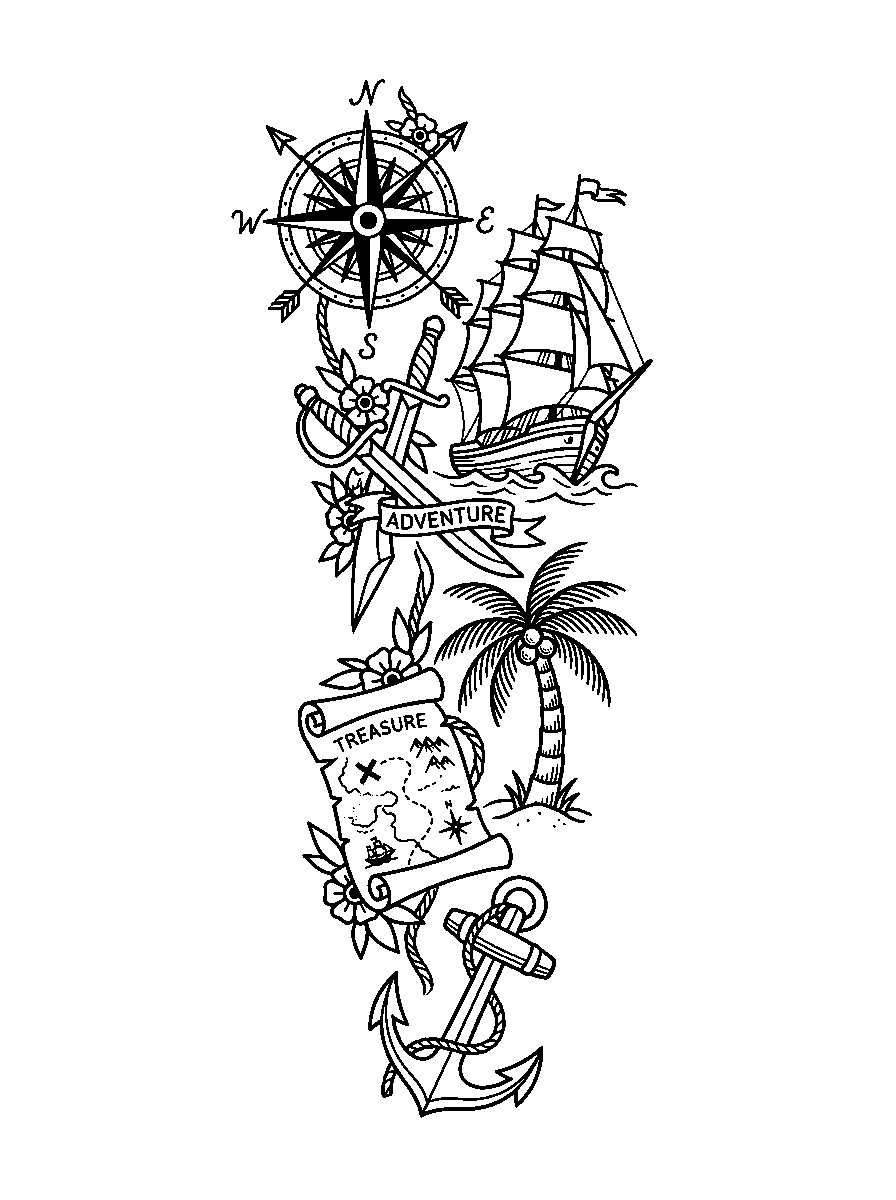
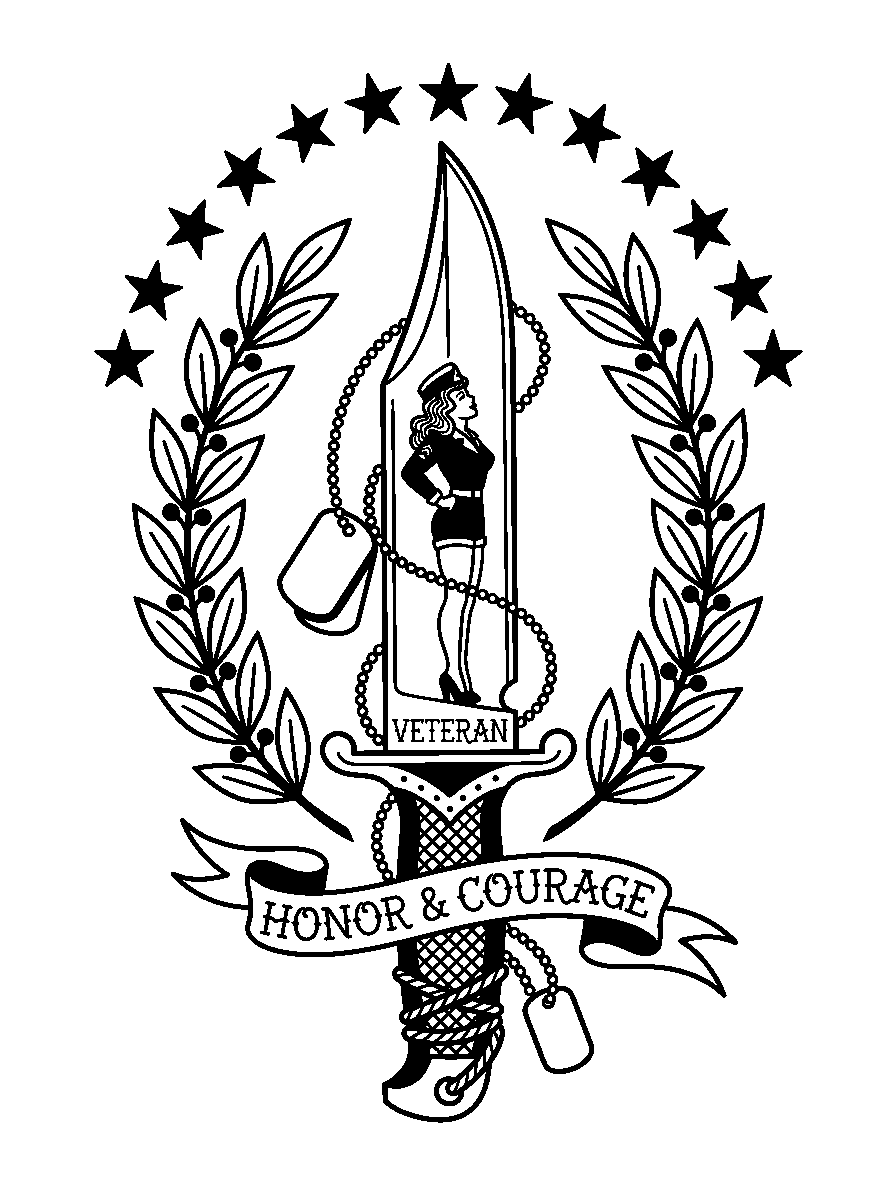
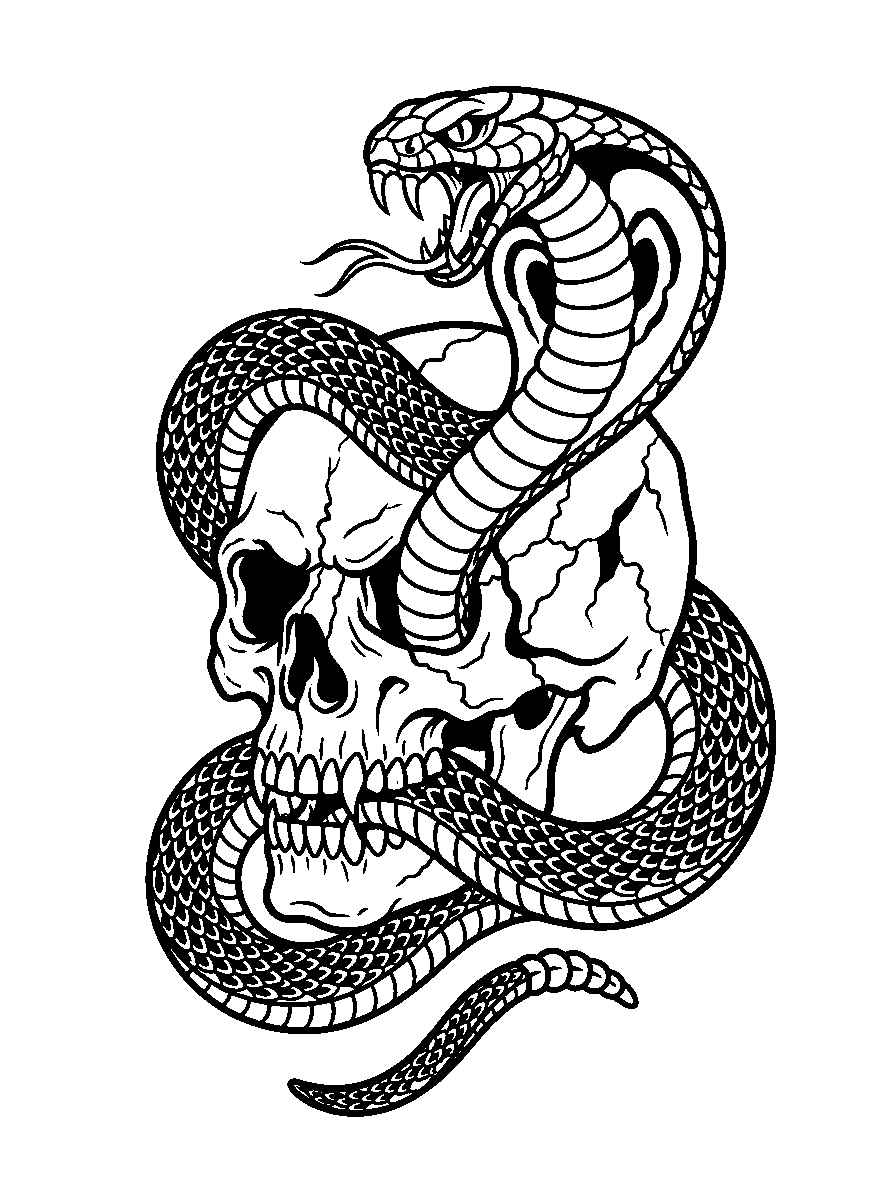
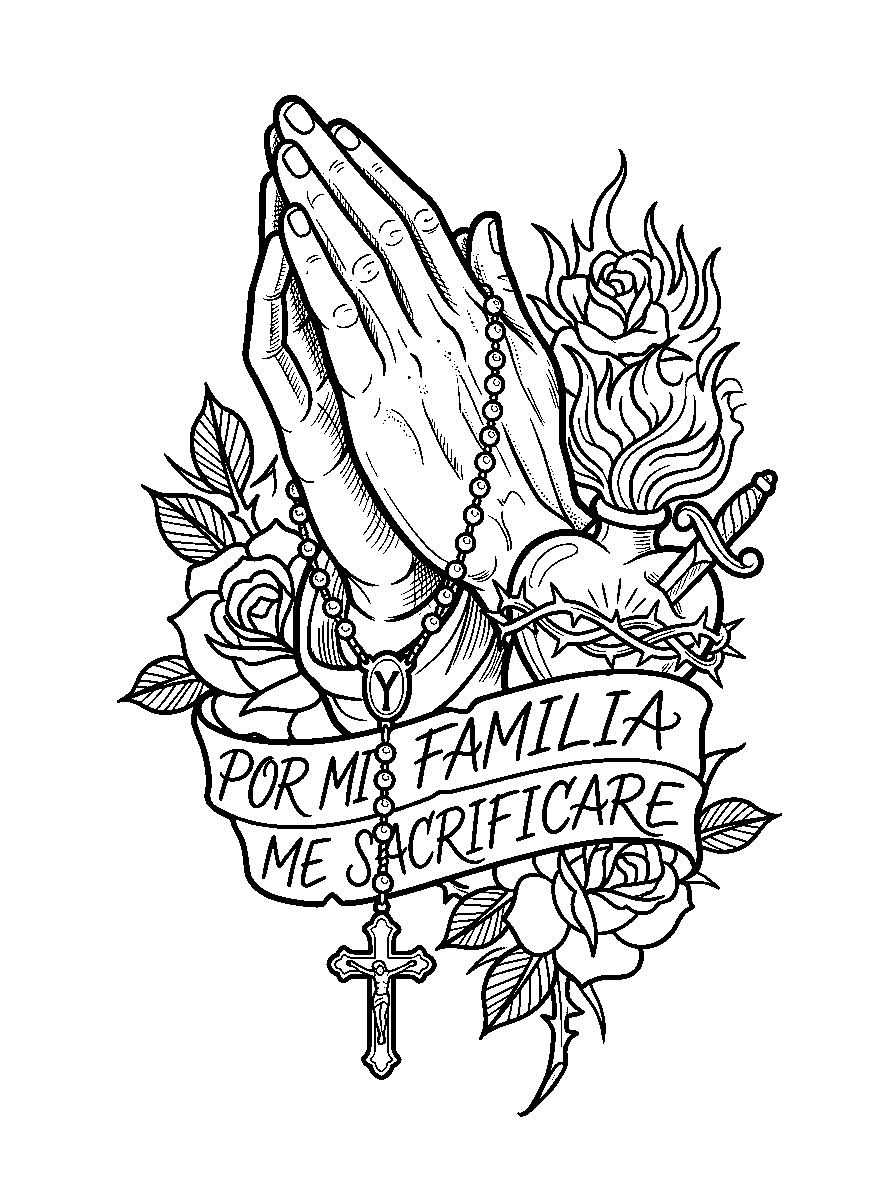
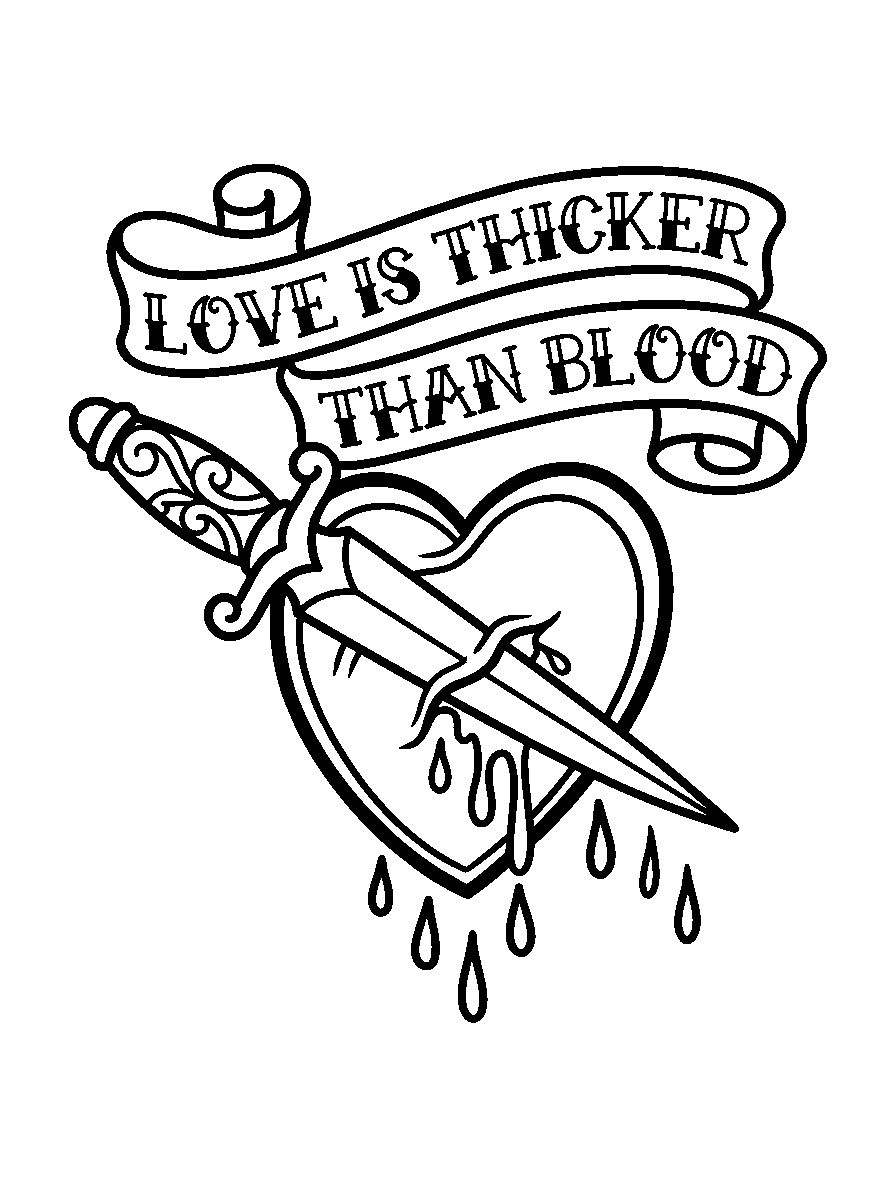
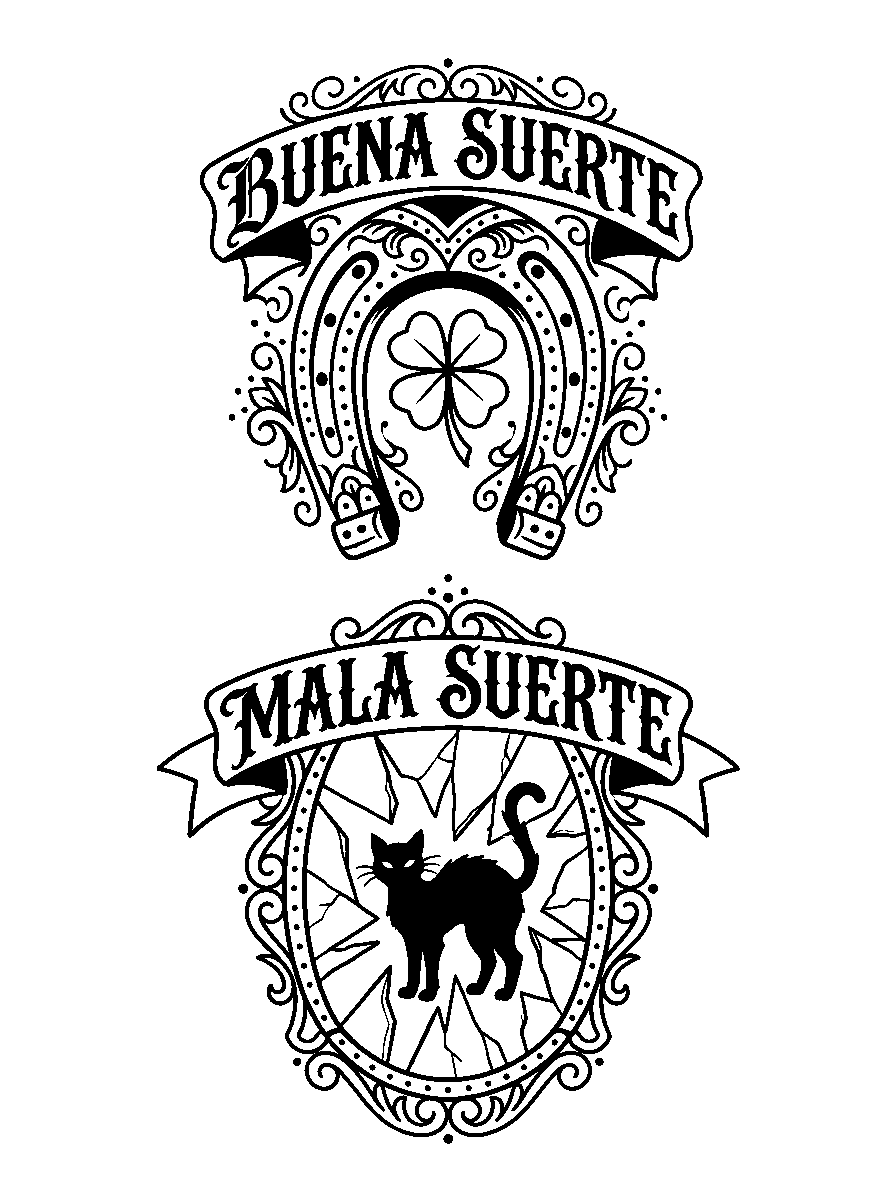
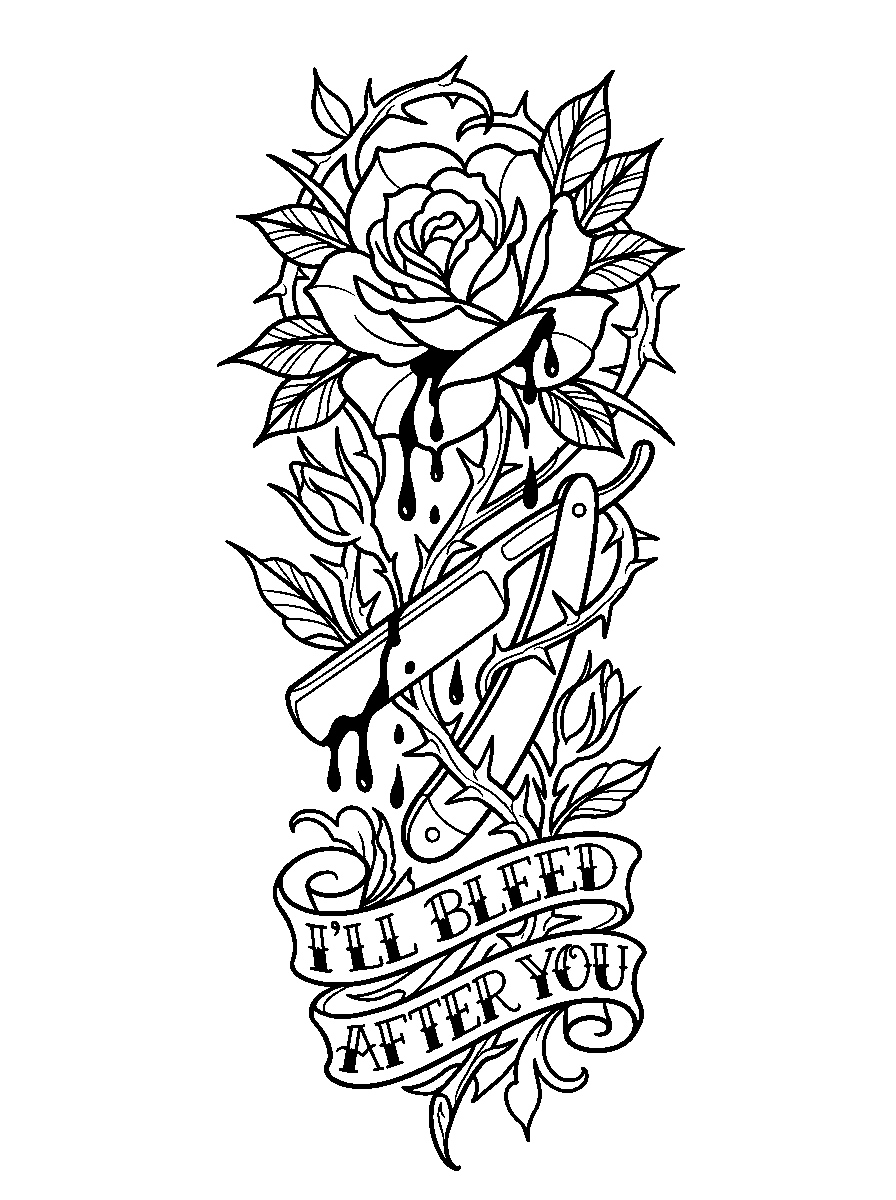
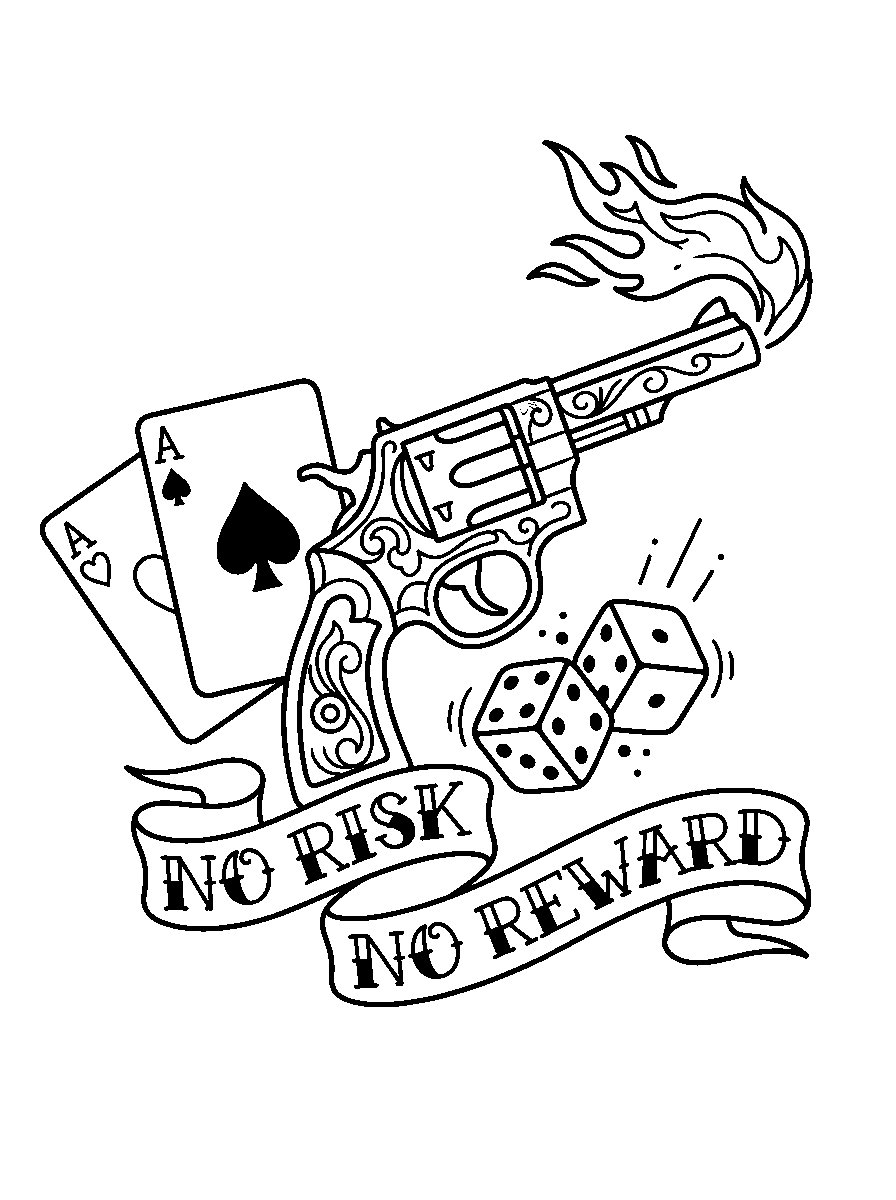
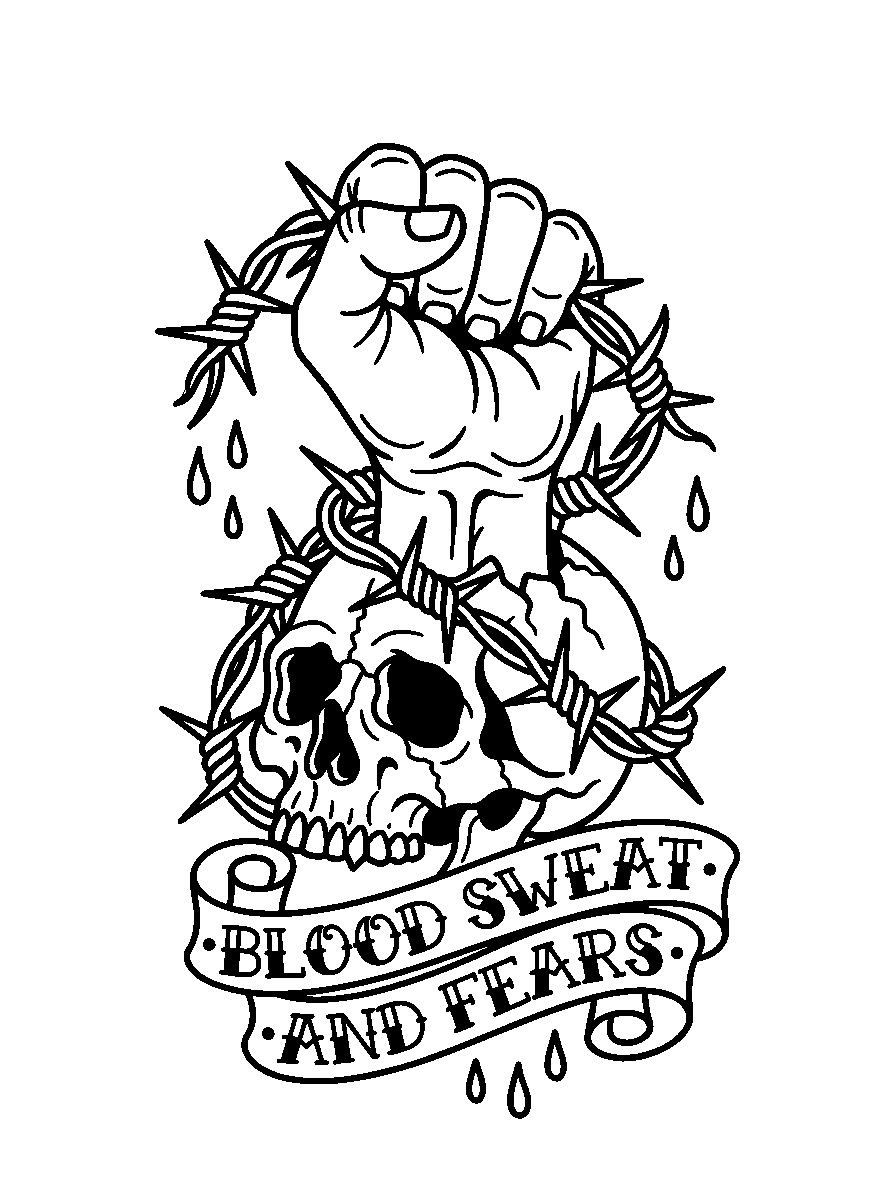
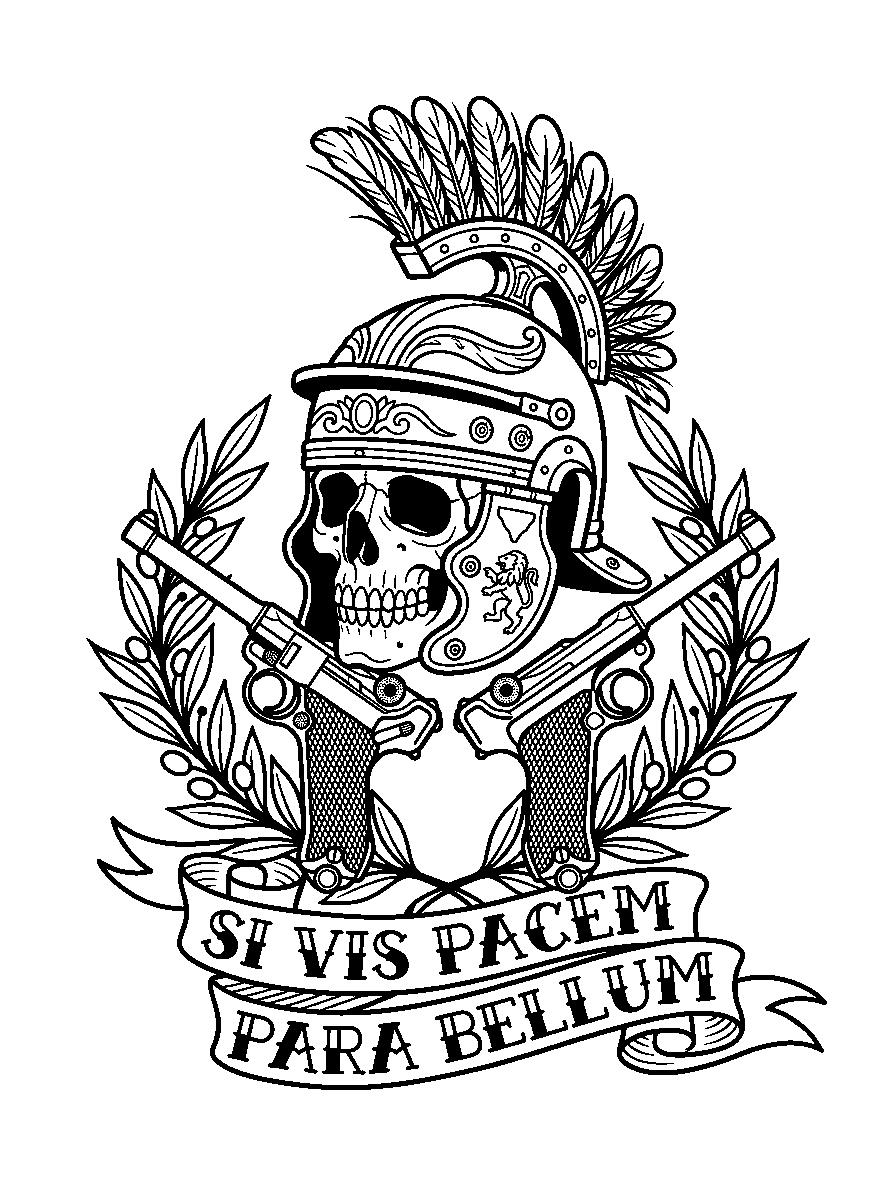
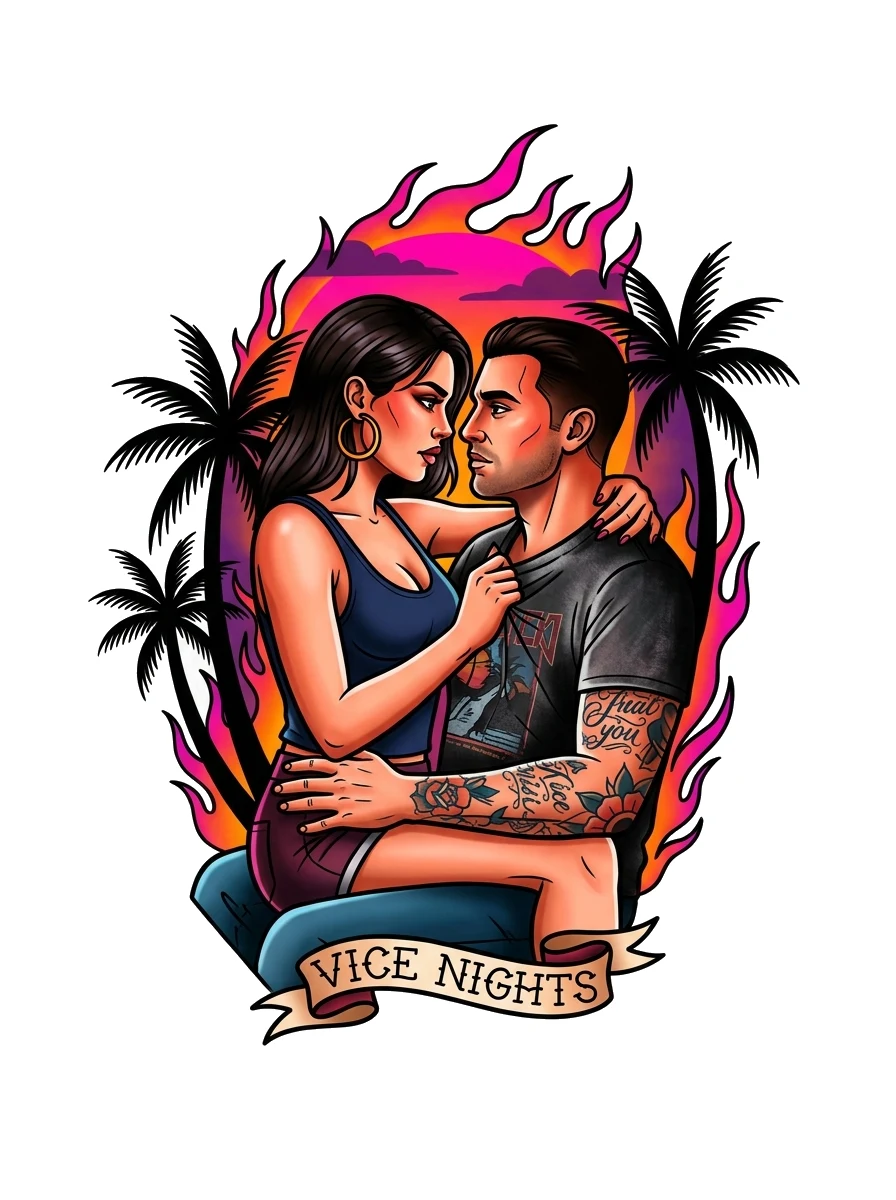
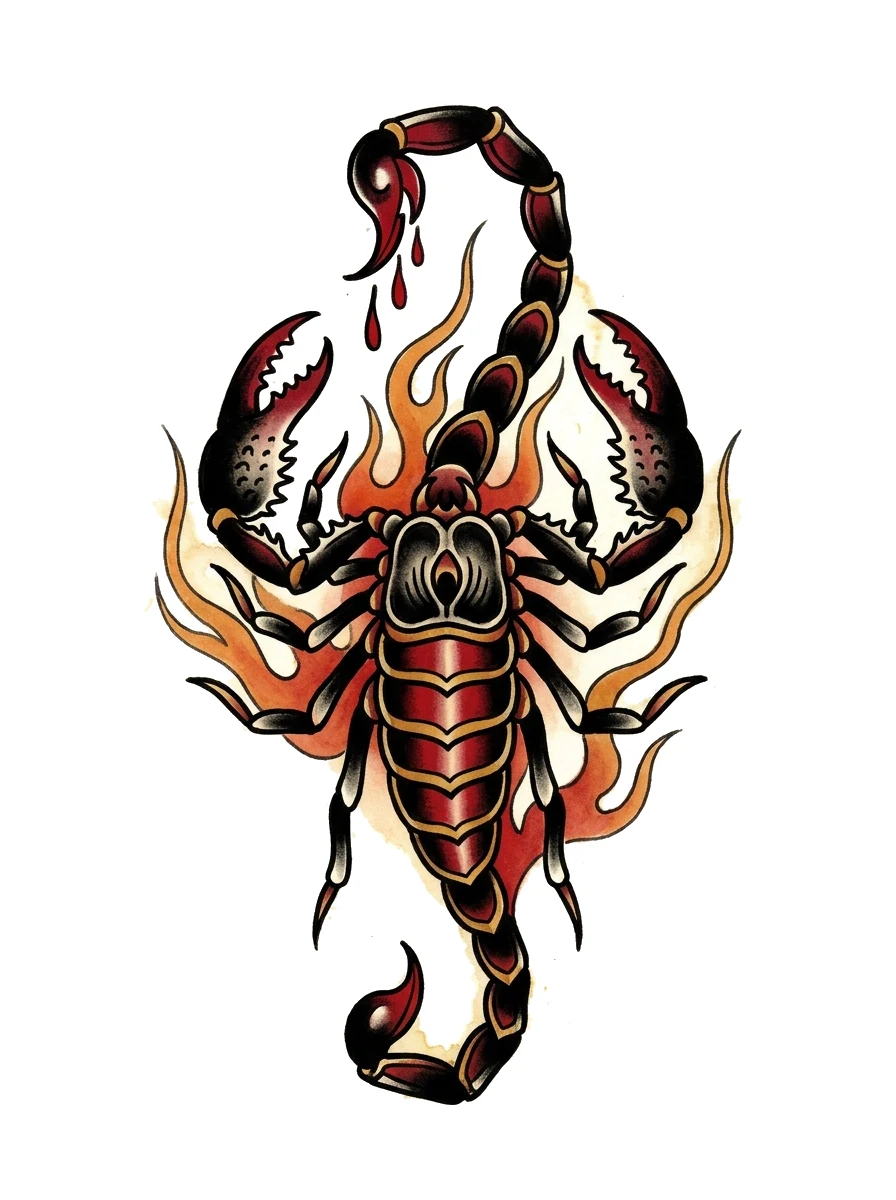
Every GTA 6 tattoo style through an aesthetic-harmony lens
The Vice City and Leonida trailers showcase a wider vocabulary of body art than any previous Rockstar title, spanning classic American Traditional flash, dense ornamental geometry, heavy blackout work, Chicano black-and-grey, Japanese irezumi, and eclectic patchwork. While in-game characters wear ink as a shorthand for lifestyle and faction, translating those same GTA 6 tattoo styles onto real skin comes down to five objective readability markers: silhouette, open-skin spacing, contrast, scale, and body flow.
Before committing a design to skin, whether you are studying bold old-school flash, fine line tattoo stencils, or a symmetric mandala tattoo stencil, it helps to compare how each style behaves at three paces, how it frames physique geometry, and how it settles five to ten years down the line.
| Style | Signature Aesthetic | Best Physique / Framing Zone | 5-Marker Risk & Ageing |
|---|---|---|---|
| American Traditional / Old School (Electric Fang) | Bold black outlines, saturated primaries, iconic flash silhouettes | Forearm, bicep, calf, upper chest | High longevity; crisp silhouette at 3 metres when given clean skin margins |
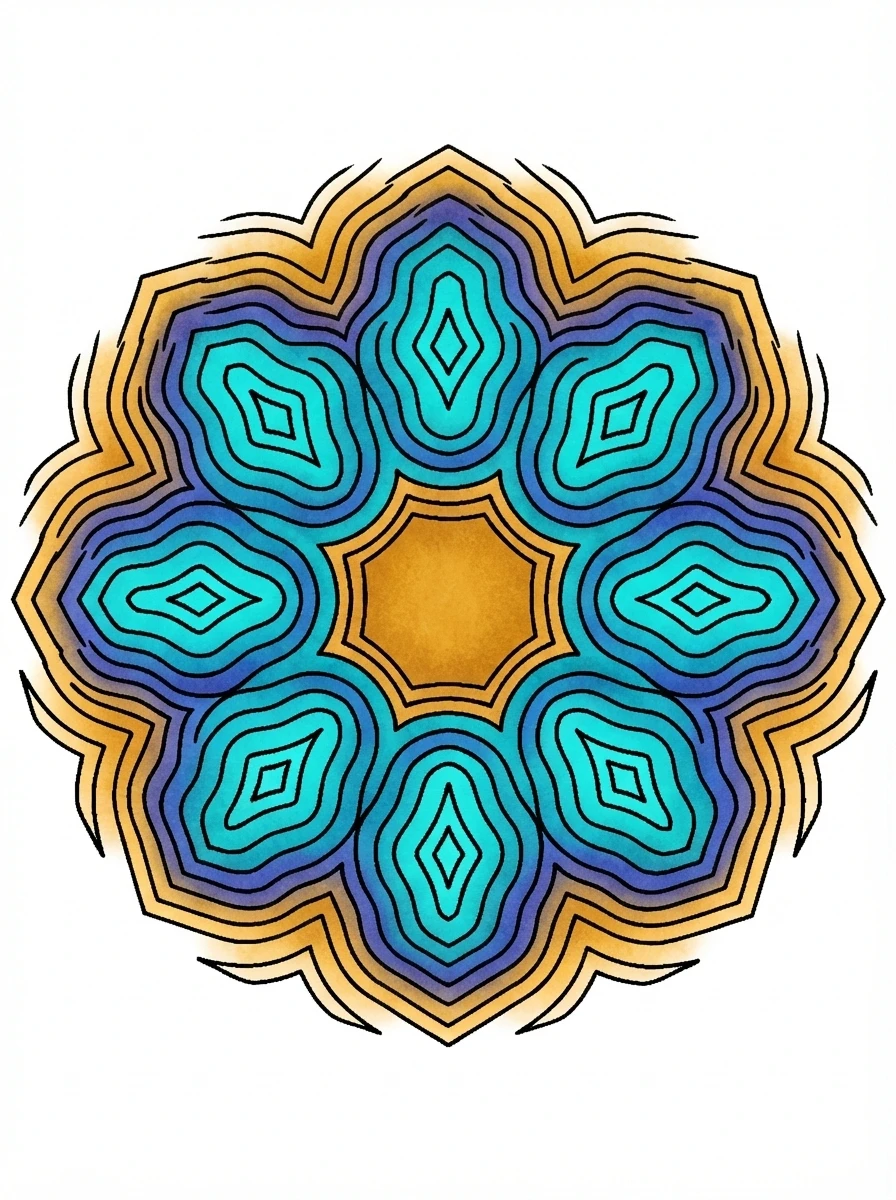
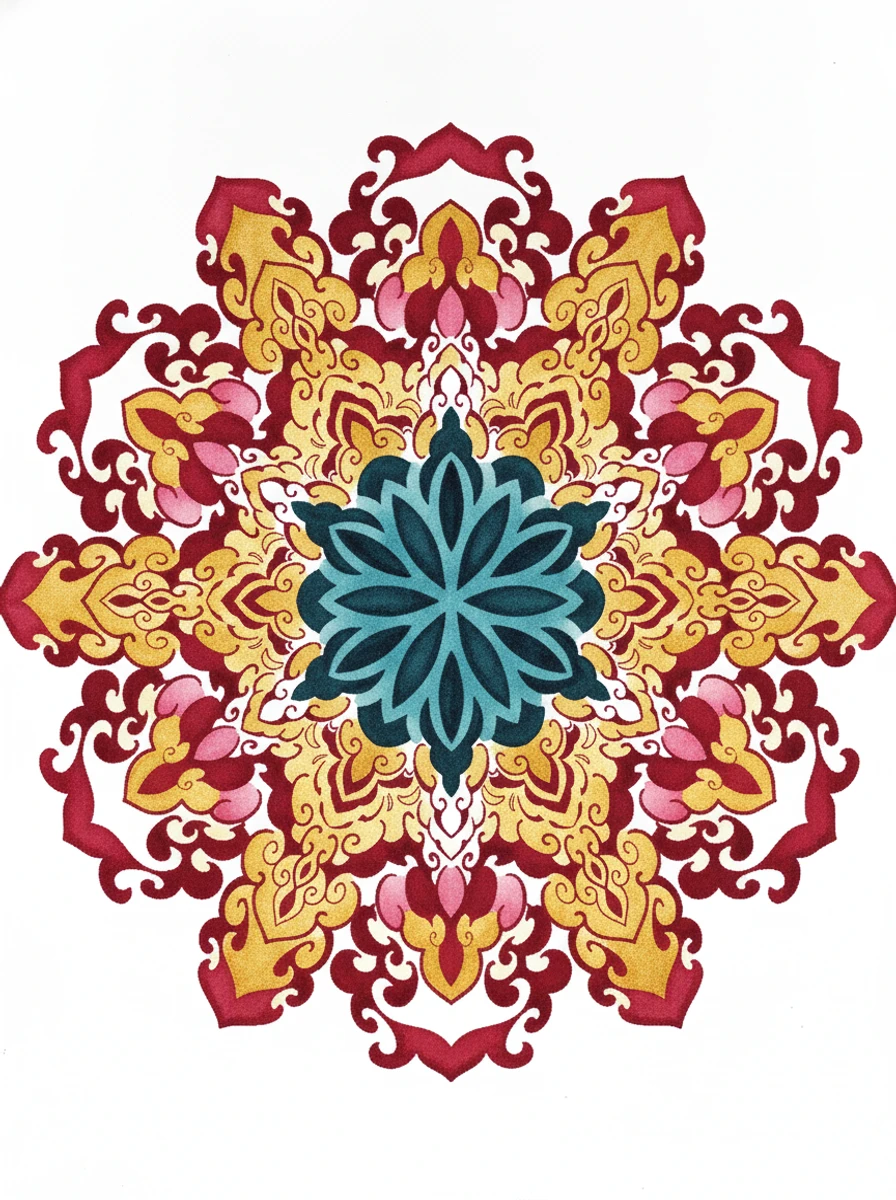
| Ornamental / Mandala (Black Spot) | Radial symmetry, dotwork gradients, sacred geometry | Sternum, shoulder cap, elbow ditch, knee, upper back | Needs generous open-skin spacing; tight micro-dots blur if scaled too small |
| Blackout Tattoo | Solid saturated black panels, negative-space cutouts | Full sleeve, forearm band, throat collar | Maximum contrast; visually slims or sharpens limb taper, zero fine-line drift |
| Chicano Blackwork & Fine-Line Portrait | Smooth whip shading, script, realistic portraits, religious motifs | Outer arm, pec, ribcage, neck side | Relies on value contrast; mid-tones fade if anchor blacks are too light |
| Japanese (Dragon / Hannya) | Flowing wind bars, scales, dynamic S-curves wrapping muscle | Full sleeve to chest plate, full back piece | Elite body flow; follows deltoid and lat contours to amplify V-taper |
| Patchwork Sleeve | Collected standalone flash arranged with breathing room | Forearm, upper arm, lower leg | Flexible curation; looks intentional only when scale and line weight stay consistent |
| Tribal & Neo-Tribal | Tapered black spears, cyber-organic curves, high-contrast flow | Shoulder-to-pectoral sweep, spine, forearm | Strong silhouette; must trace natural muscle insertion lines to avoid looking dated |
American Traditional (Electric Fang) vs. Japanese Dragon & Hannya
Old-school flash, associated with Vice City parlors like Electric Fang, remains the benchmark for visual durability. Thick outer lines, limited palettes, and unmistakable shapes (daggers, panthers, swallows, roses) guarantee high scores on composition and readability at size. On an athletic or lean forearm, vertical traditional pieces lengthen the limb without muddying muscle definition.
Japanese irezumi, dragons, Hannya masks, koi, and wave-bar backgrounds, takes the opposite approach to scale. Instead of isolated stamps, a Japanese sleeve uses dark background wind and water to lock into the deltoid cap and wrap across the pectoral tie-in. Because the composition is engineered around joint movement, it enhances upper-body width and shoulder-to-waist taper more reliably than almost any other GTA 6 best sleeve tattoos archetype.
Electric Fang Old School: Silhouette first
Recognizable from across the street; ideal when you want high-contrast punctuation on forearms or calves without covering an entire limb.
Japanese Sleeve: Anatomical lock-in
Uses dark negative framing around the shoulder and bicep so the upper arm reads wider and more sculptural in fitted tees or tank tops.
Color vs. Black-and-Grey balance
Traditional primaries pop on warm or olive skin tones when spaced cleanly, while black-and-grey Japanese work harmonizes effortlessly with neutral wardrobes.
Blackout, Mandala Portrait (Black Spot), and Tribal flow
The Leonida trailers drew immediate attention to heavy blackout sleeves, radial mandala portrait work, and sharp neo-tribal curves, styles often linked to darker, high-contrast parlors like Black Spot. Aesthetic harmony here depends entirely on geometry and skin contrast.
A GTA 6 blackout tattoo strips away all mid-tone clutter, turning an arm or forearm into a graphic silhouette. Visually, solid black compression can sharpen forearm vascularity boundaries or balance asymmetric old ink, though it leaves zero margin for uneven saturation. By contrast, a GTA 6 mandala tattoo or mandala portrait tattoo relies on exact radial symmetry: placed over a curved joint like the deltoid or sternum, even a slight stencil drift warps the circle.
Blackout sleeve ageing vs. fine-line mandala
Solid blackout settles uniformly and never loses line clarity, whereas intricate mandala dotwork demands larger centimetre footprints so concentric rings do not bleed into a grey smudge.
Mandala & fine-line stencils for men and women
Choosing between bolder tattoo stencils for men on broad pecs or delicate tattoo stencil for women along the sternum or collarbone comes down to stroke-to-gap ratio, keep open skin at least as wide as the needle line.
Tribal & Neo-Tribal muscle mapping
Modern neo-tribal works best when its tapered spines echo the clavicular line, brachioradialis, or trapezius ridge rather than sitting flat across a muscle belly.
Chicano Blackwork vs. Patchwork Sleeves: Cohesion and spacing
Chicano black-and-grey, built around smooth whip shading, script, portraits, and architectural motifs, frames the body with soft tonal transitions. When anchored by deep blacks in the focal areas, it flatters skin texture and avoids the harsh sticker-book look. However, low-contrast grey wash without strong anchor blacks tends to soften quickly in sun-exposed Vice City climates.
A GTA 6 patchwork tattoo sleeve takes the modular route: individual flash pieces, fine-line icons, and small ornamental stamps arranged like a curated gallery. Patchwork looks effortless only when every piece obeys a shared visual grammar, similar line weight, consistent orientation, and deliberate breathing room between borders so the arm does not look cluttered.
Neck, throat, and face placements: how ink alters jawline & PSL framing
In LooksMeter facial and PSL analysis, the lower third, mandible, gonial angle, chin projection, and neck width, carries huge weight for overall attractiveness. Placing ink on the neck, throat, or cheek directly interacts with those landmarks.
High-contrast throat and side-neck tattoos act like permanent contour. A centered symmetrical piece on the throat can draw the eye vertically and elongate the neck, while dark ink tucked cleanly below the jawbone can accentuate shadow beneath the mandible. Conversely, sprawling, messy lettering across the side of the neck or high on the cheek breaks up clean cheekbone-to-jaw transitions and pulls attention away from eye-area harmony.
| Placement Zone | Aesthetic & PSL Effect | Best-Suited Style | Primary Risk |
|---|---|---|---|
| Neck (Side / Behind Ear) | Frames gonial angle and neck-to-trap line; adds edge without crowding the front profile | Fine-line script, small traditional, minimalist ornamental | Over-sizing onto the jawline blurs lower-third definition |
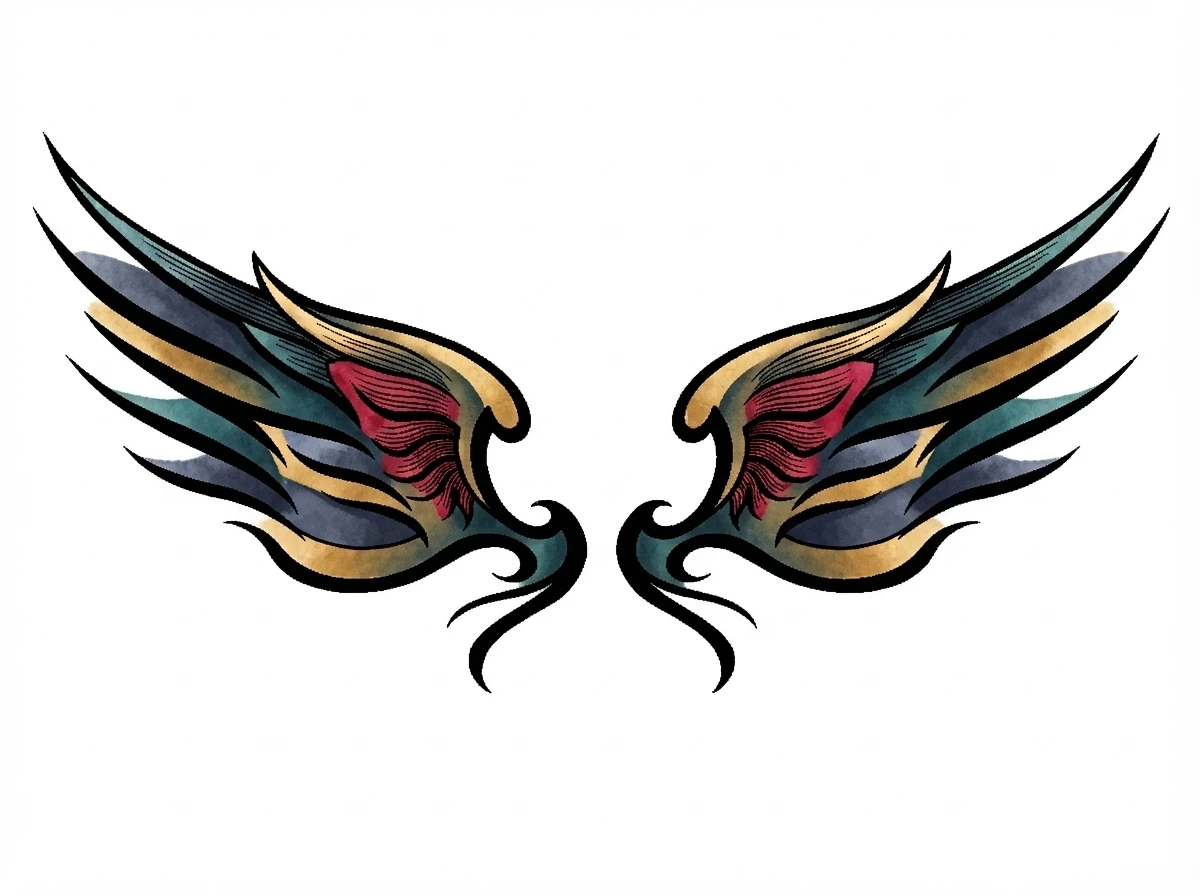
| Throat (Front Center) | Anchors collarbones and vertical midline; high visual dominance | Symmetrical mandala, spread-wing flash, clean blackout collar | Asymmetry is immediately obvious in front-facing portraits |
| Face / Cheek / Temple | Directly competes with zygomatic bone structure and canthal framing | Micro-minimalist linework or restrained Chicano script | Sun fade, ink blowouts in thin skin, strong distraction from facial symmetry |
Chest, collarbone, and back: framing upper-body symmetry
Across the torso, tattoo placement either reinforces natural V-taper and clavicular width or flattens it. GTA 6 chest tattoos that mirror each other across the pectorals, or sweep outward from the sternum toward the anterior deltoid, visually broaden the upper frame and emphasize chest separation.
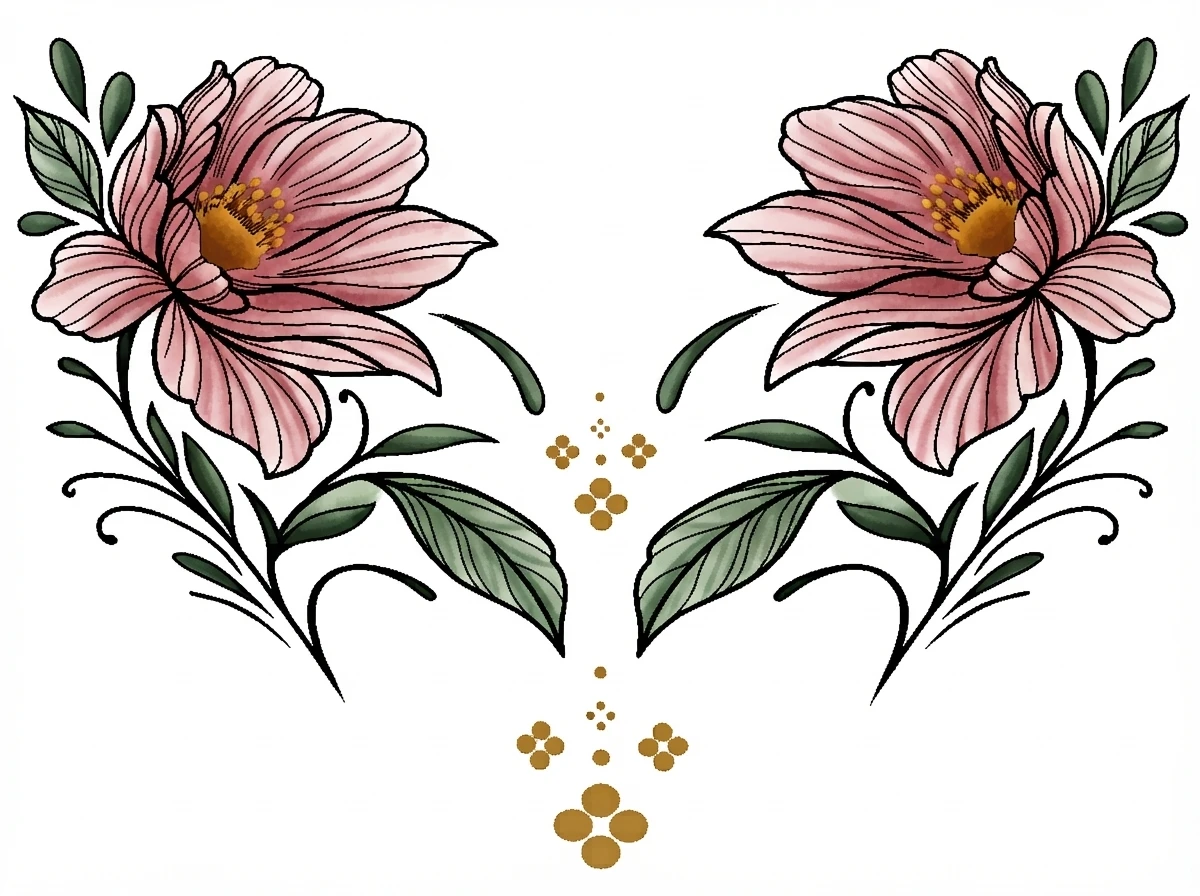
Collarbone placements work best with slender, horizontal silhouettes (script, botanicals, or narrow ornamental filigree) that ride just above or below the clavicle without colliding with the neck shadow. On the back, large-scale Japanese or ornamental back pieces unify the trapezius, lats, and lower back into one cohesive canvas, whereas undersized stamps floating in the middle of a broad back look lost at three paces.
Hand, forearm, and full sleeve flow: tapering, motion, and ageing
The arm is the most versatile canvas in GTA 6, but each segment obeys different rules. Forearm placements naturally reward vertical, tapered compositions, daggers, serpents, portraits, or balanced patchwork, that follow the radius and ulna down to the wrist. Wrapping a wide horizontal band around a forearm often chops the limb visually and shortens its perceived length.
GTA 6 hand tattoos sit at the end of that visual line. Because the back of the hand flexes constantly and takes heavy UV exposure, bold traditional roses, mandalas centered over the metacarpals, or clean neo-tribal extensions from a full sleeve hold up far better than delicate micro-script. Connecting a full sleeve cleanly into the hand creates an uninterrupted silhouette; floating a dense hand piece on an otherwise bare arm can feel top-heavy.
Frequently asked
Which GTA 6 tattoo style ages best in real life?
American Traditional (Old School) and bold Japanese dragon or Hannya work hold their silhouette longest because thick anchor lines and generous open-skin spacing survive natural ink spread. Fine-line mandala and micro-portrait pieces require deliberate scale and negative space so intricate geometry does not blur together over time.
How do neck and throat tattoos affect jawline and PSL perception?
Dark, high-contrast ink placed directly beneath the mandibular border can visually sharpen or soften the jaw depending on value placement. Heavy blackout or dense throat work creates an artificial shadow that frames a strong gonial angle, whereas scattered, low-contrast script on a softer neck can break up clean facial framing.
Is a blackout sleeve or a patchwork sleeve better for upper-body symmetry?
A blackout or cohesive ornamental sleeve compresses visual noise into a single high-contrast block, which emphasizes deltoid cap width and forearm taper from across a room. A patchwork sleeve adds eclectic character up close, but uneven spacing between unrelated pieces can dilute shoulder-to-waist proportions unless anchored by consistent scale.
What makes a mandala or fine-line tattoo stencil hold up on skin?
Readability at size and open-skin spacing are the deciding markers. Whether you are evaluating tattoo stencils for men on a broad sternum or a tattoo stencil for women along the collarbone or ribs, delicate concentric rings need enough untouched skin between strokes so lines stay distinct as the dermis settles.
Why do hand and face tattoos score differently for overall presentation?
Hand, finger, and face/cheek placements sit in high-motion, high-sun zones with thinner skin and constant visual exposure. From a PSL and aesthetic-harmony standpoint, cheek or temple ink competes directly with eye-area symmetry and cheekbone structure, so only minimal, balanced silhouettes avoid pulling attention away from facial proportions.
Email me the cheat-sheet
Get the cheat-sheet + a first-time member perk
Get our facial harmony & styling reference sheet emailed to you.
Related GTA 6 & tattoo guides
GTA 6 Tattoos Hub
Complete breakdown of Vice City ink culture, character styles & real-life inspiration
Tattoo Placement & Size Guide
How aspect ratio, scale, and open-skin spacing map to every body zone
Jason Duval Tattoos in GTA 6
Sleeve structure, chest framing, and rugged traditional-blackwork breakdown
Lucia Caminos Tattoos in GTA 6
Forearm, collarbone, and fine-line ornamental aesthetic analysis
Free Tattoo Rating Tool
Score any design or existing ink across 5 markers with an on-body preview
Free PSL Score Tool
Analyze jawline, facial harmony, and how neck or face ink frames your look
Keep reading
The PSL scale, explained (every tier 0.25-8)
Complete 0.25-8.0 PSL scale chart, what a PSL 3-8 face looks like, what PSL stands for, the 1-10 conversion and the 4 categories behind your score.
Facial halos & failos, explained
All 8 facial regions mapped into halos vs failos, why removing one failo beats chasing new halos and the exact non-surgical fix order.
Average PSL score & bell curve study
Why 4.0 is the true 50th-percentile average, how PSL decimals map to percentiles and how lens distance shifts ratios.
This page is general information about facial aesthetics terminology, not medical or cosmetic advice. Scores from our tools are calibrated reads of one photo that describe presentation, never your worth.